

General Roofing
Location-Specific
Roofing
Satellite Beach Roofing: Area Storm History
The air is thick and still, a familiar silence before the sky opens up. You glance at the palm trees, their fronds twitching nervously, and then up at your roof, a silent guardian against the inevitable onslaught that living in Satellite Beach brings. Whether it is the sudden, torrential downpour of a summer thunderstorm, the relentless winds of an unnamed tropical depression, or the anxious wait for a named hurricane making its approach across the Atlantic, every homeowner in our coastal community understands that feeling. Our roofs are not just decorative caps on our homes; they are the first line of defense, constantly tested by the unique and often dramatic weather patterns that define life on Florida’s Space Coast.
For residents of Satellite Beach, understanding the area’s rich and sometimes turbulent storm history is not merely a matter of curiosity, but a crucial element in making informed decisions about one of your home’s most vital components. The cumulative effects of decades of sun, salt, and severe weather can take a toll that is not always visible from the ground, weakening materials and compromising structural integrity over time. This post aims to provide you with a deeper appreciation for the forces your roof has faced and will continue to face, helping you understand why robust, code-compliant roofing is non-negotiable here. When it comes to protecting your home with a resilient roof that stands up to these challenges, knowing who to trust makes all the difference, which is why many of your neighbors already rely on Florida Roof Bros for their expertise; feel free to call us anytime at (321) 446-1702.
Our goal is to equip you with the foundational knowledge about how Satellite Beach’s storm legacy directly influences roofing requirements, material choices, and the critical importance of regular inspections and timely maintenance. This historical perspective is not about dwelling on past anxieties, but rather about empowering you to make proactive choices that enhance your home’s safety and longevity. By understanding the specific types of weather events that have shaped our community, you can better anticipate future needs and appreciate the engineering and craftsmanship required to keep your family safe and dry.
Beyond the immediate threats of high winds and heavy rain, the coastal environment of Satellite Beach introduces additional factors like salt spray and persistent humidity, which accelerate wear and tear on roofing materials. These elements, combined with the intense UV radiation from the Florida sun, create a uniquely challenging environment for any roof system. A robust roof here is not just built to withstand a single storm, but to endure a constant barrage of environmental stressors that are less prevalent in inland areas.
As we delve into the specifics of Brevard County’s storm history, particularly as it pertains to Satellite Beach, you will gain insights into how past events have shaped current building codes and best practices in roofing. This knowledge will serve as a valuable guide, whether you are considering a minor repair, a full roof replacement, or simply want to ensure your existing roof is adequately prepared for the next hurricane season. Understanding the challenges faced by previous generations of homeowners in our area can illuminate the path toward a more secure future for your own home.
Understanding Satellite Beach’s Storm Legacy and Its Impact on Roofing
Florida, by its very geography, is a magnet for tropical weather systems, and Brevard County, with its extensive coastline including Satellite Beach, often finds itself directly in the path of these powerful forces. Over the past several decades, our region has experienced numerous named storms and countless severe thunderstorms, each leaving its mark and contributing to a collective understanding of what it takes to build and maintain resilient structures here. This continuous cycle of weather events has profoundly influenced everything from local building codes to the types of materials preferred by experienced roofers.
The specific types of damage commonly observed in Satellite Beach roofs after significant weather events include wind uplift, where powerful gusts can pry shingles or even entire sections of roofing material from the decking. Heavy, sustained rainfall often leads to water intrusion if the underlayment or flashing is compromised, causing unseen damage to the attic space and interior. While less common than wind or rain, hail can also cause impact damage, bruising shingles and compromising their protective granules, which can accelerate the aging process of the roof system significantly over time.
In response to the devastating hurricane seasons of 2004 and 2005, which saw multiple major storms impact Florida, the state’s building codes underwent significant revisions, particularly concerning roof construction. These updated codes, often referred to as the 2007 Florida Building Code, mandated stronger fastening schedules, enhanced wind resistance requirements for shingles and other roofing components, and improved methods for sealing the roof deck. For any homeowner in Satellite Beach considering a roof replacement, ensuring your contractor adheres to these updated codes is paramount for long-term protection and insurability.
The evolution of these building codes directly impacts the choice of roofing materials and installation techniques. Today, asphalt shingles designed for high wind resistance, often with improved adhesive strips and thicker construction, are a common choice. However, equally important is the quality of the underlayment, which acts as a secondary water barrier, and the precise installation of flashing around chimneys, vents, and skylights. These components, when correctly installed by experienced in-house crews like those at Florida Roof Bros, are critical to preventing water intrusion during heavy rainfall and strong winds, which are a constant threat in our coastal environment.
Beyond the immediate aftermath of a named storm, the long-term impact of cumulative stress on a roof in Satellite Beach cannot be overstated. Even storms that do not cause immediate, catastrophic failure can weaken adhesive seals, loosen fasteners, and erode granular surfaces, accelerating the natural aging process of your roof. This constant exposure means that a roof that might last 25-30 years in a milder climate could have a significantly shorter lifespan here without proactive maintenance and the use of superior materials and installation methods. Choosing a contractor with over 25 years of combined experience in Brevard County, who understands these unique challenges and holds certifications like Owens Corning Platinum Preferred Contractor, ensures your roof is built to endure.
The financial implications of ignoring Satellite Beach’s storm history can be substantial, ranging from costly interior water damage to the premature need for a full roof replacement. Investing in a robust, code-compliant roof with high-quality materials and expert installation is not just an expense; it is a critical investment in your home’s resilience and your family’s safety. Understanding the foundational context of our local storm legacy empowers you to make wise choices, ensuring your roof is not just a covering, but a fortress against the elements that define life on our beautiful, yet challenging, Florida coast.
Understanding Satellite Beach’s Storm Landscape and Your Roof
Satellite Beach, nestled on Florida’s Atlantic coast, experiences a unique blend of weather patterns that directly impact the longevity and integrity of residential and commercial roofs. Our location puts us squarely in the path of tropical storms and hurricanes, but even beyond these major events, daily sun exposure, high humidity, and strong coastal winds contribute to roof wear. Understanding the specifics of how these elements interact with your roofing system is crucial for any homeowner in our community. It’s not just about repairing damage after a storm; it’s about proactive choices that ensure your roof can withstand what our Florida climate throws at it year after year.
Florida Building Code and Wind Ratings: Your Roof’s First Line of Defense
The Florida Building Code (FBC) is one of the most stringent in the nation, especially for coastal areas like Satellite Beach, and for good reason. After the devastating hurricanes of the early 2000s, the FBC was updated to ensure new and replacement roofs are built to a higher standard of resilience. For most of Brevard County, including Satellite Beach, roofs must be designed and installed to withstand wind speeds of at least 130 mph, which corresponds to a Category 3 hurricane. This isn’t just a suggestion; it’s a legal requirement that directly influences everything from the type of decking used to the number and placement of fasteners. These codes mandate specific installation techniques, such as enhanced nailing patterns and the use of a secondary water barrier beneath the primary roofing material, all designed to keep your home dry even if the main roof covering is compromised during a severe storm.
Common Roofing Materials and Their Lifespan in Florida
Choosing the right roofing material in Florida is a balance of aesthetics, cost, and most importantly, durability against our specific weather challenges. While national averages for roof lifespans can be misleading, here in Satellite Beach, we see different performance.
- Architectural Shingles: These are a popular choice due to their affordability and aesthetic appeal. While manufacturers often provide 30-year warranties, the intense UV radiation, high humidity, and frequent thermal expansion and contraction in Florida typically reduce their effective lifespan to about 18-25 years. Proper installation, including adherence to FBC fastening requirements, is key to maximizing their durability here.
- Standing Seam Metal Roofs: An excellent investment for Florida homes, standing seam metal roofs offer superior wind resistance and longevity. They can last 40-60 years or even longer, significantly outperforming national averages because the material itself is highly resistant to our sun and rain. The interlocking panels and concealed fasteners make them incredibly robust against hurricane-force winds, and they are also energy-efficient, reflecting solar heat away from your home.
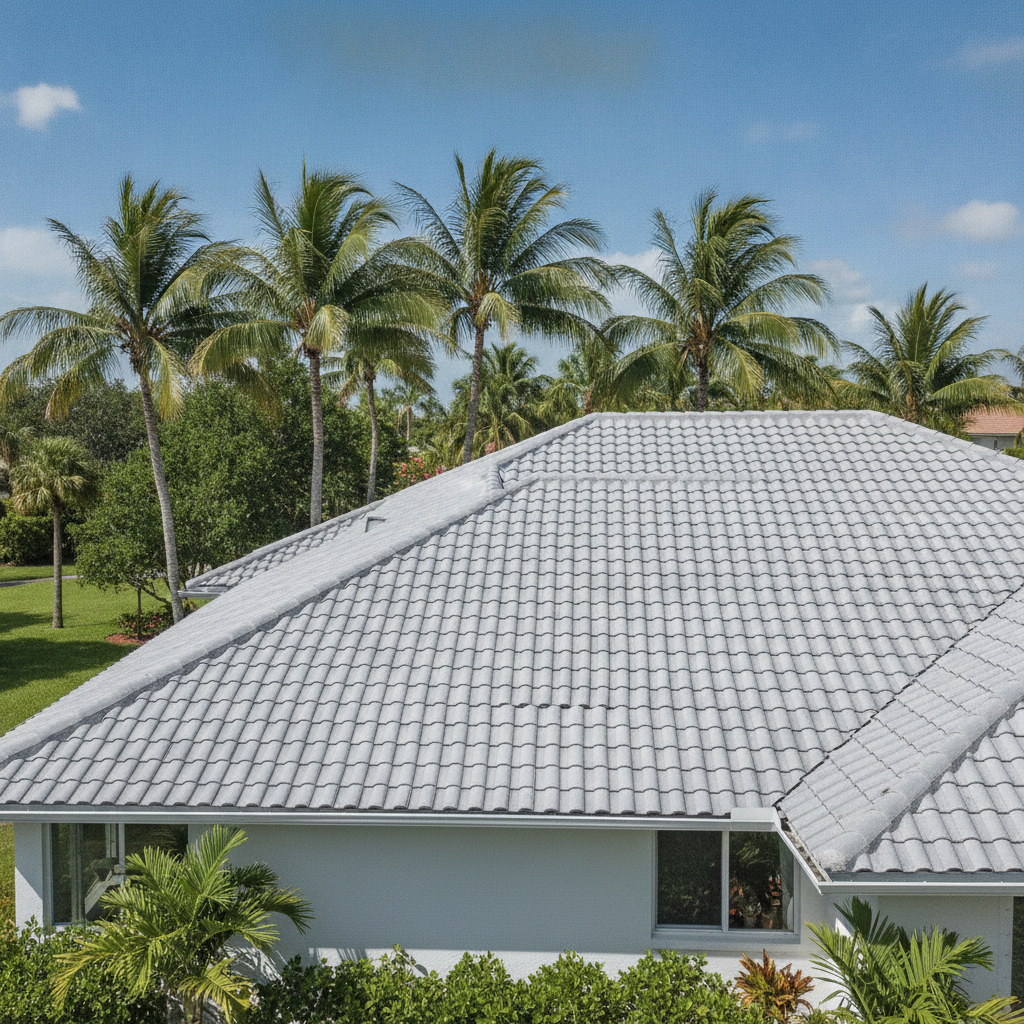
- Concrete Tile Roofs: For a classic Florida aesthetic and exceptional durability, concrete tiles are a top contender. They are very heavy, requiring a robust roof structure, but their mass makes them highly resistant to wind uplift and impact from debris. Concrete tile roofs typically last 30-50 years, often exceeding national averages due to their inherent resilience to harsh weather and UV exposure. They also offer excellent insulation properties, helping to keep your home cooler.
The choice of material isn’t just about initial cost; it’s about long-term value, insurance implications, and peace of mind knowing your home is protected.
The Impact of Hurricane Categories on Your Roof
The Saffir-Simpson Hurricane Wind Scale categorizes hurricanes based on sustained wind speeds, and each category presents a different level of threat to your roof. A Category 1 hurricane (74-95 mph) can cause damage to shingles and gutters, especially if they are older or not properly installed. As the wind speeds increase to Category 2 (96-110 mph) and Category 3 (111-129 mph), the risk of significant structural damage to your roof, including complete removal of sections of decking and underlayment, rises sharply. Even if your roof isn’t completely torn off, the prolonged exposure to high winds and torrential rain during any hurricane can exploit existing weaknesses, leading to leaks and interior water damage. This is why the FBC’s 130 mph wind rating for new roofs is so critical; it provides a necessary buffer for homes in Satellite Beach.
Beyond Hurricanes: Everyday Wear and Tear
While hurricanes grab headlines, the everyday Florida climate also takes a toll on your roof. The relentless sun causes materials to degrade faster than in cooler climates, leading to cracking, fading, and granule loss on shingles. High humidity encourages mold and algae growth, which can trap moisture and accelerate material breakdown. Salt air, prevalent in Satellite Beach, can corrode metal fasteners and components over time, compromising the roof’s structural integrity. These cumulative effects mean that even without a direct hurricane hit, a roof in Florida ages faster and requires more diligent maintenance and earlier replacement than one in a milder climate. Ignoring these factors can lead to costly repairs down the line, so regular inspections and proactive maintenance are essential for all Satellite Beach homeowners.
Protecting Your Investment: What Florida Homeowners Should Do
As a homeowner in Satellite Beach, taking proactive steps to maintain and protect your roof is one of the smartest investments you can make. Our unique climate demands a specific approach to roofing care. Here are actionable tips to ensure your roof stands strong against the elements and continues to protect your family and belongings.
- Schedule Regular Professional Roof Inspections:
WHY: Small issues, like loose shingles, cracked tiles, or minor flashing damage, can quickly escalate into major problems, especially during a heavy rainstorm or tropical system. A professional eye can spot these vulnerabilities before they lead to costly leaks and interior damage. This is particularly crucial in Florida where hidden moisture can lead to mold and rot.
HOW: We recommend an annual inspection, ideally in late spring before hurricane season kicks into full gear. After any significant weather event, even if you don’t see obvious damage from the ground, it’s wise to have a professional check for unseen issues. Florida Roof Bros offers comprehensive inspection services to give you peace of mind.
- Understand Your Roof’s Warranty and Documentation:
WHY: Knowing the specifics of your roof’s warranty (both manufacturer and labor) is vital. It outlines what’s covered, what voids the warranty, and the proper procedures for filing a claim. In Florida, where insurance claims are common, having all your documentation in order is non-negotiable.
HOW: Keep all receipts, contracts, permits, and warranty documents in a safe, accessible place. Familiarize yourself with the terms and conditions. If you’re unsure about anything, don’t hesitate to ask your roofer or the manufacturer for clarification. This documentation is also critical if you ever need to file an insurance claim after a storm.
- Keep Gutters and Downspouts Clear:
WHY: Clogged gutters prevent rainwater from draining properly, causing it to back up and pool on your roof or overflow onto fascia boards and landscaping. This can lead to wood rot, saturated soffits, foundation issues, and even compromise the integrity of your roof edge, especially during Florida’s heavy downpours.
HOW: Inspect and clean your gutters at least quarterly, or more frequently if you have trees overhanging your roof. Remove leaves, twigs, and other debris. Ensure downspouts are clear and direct water away from your home’s foundation. Consider installing gutter guards to reduce the frequency of cleaning.
- Trim Overhanging Tree Branches:
WHY: During high winds, overhanging branches can scrape against your roof, abrading shingles or tiles. More significantly, falling branches or entire trees during a hurricane or even a strong thunderstorm can cause catastrophic damage, puncturing the roof deck and exposing your home to the elements.
HOW: Hire a professional arborist to trim branches that are within 5-10 feet of your roof. Focus on removing dead or weak limbs that are most likely to break during a storm. This proactive step can save you thousands in emergency repairs.
- Document Your Roof’s Condition Regularly (Florida Specific):
WHY: In Florida, insurance claims after storms are a common reality. Having clear, time-stamped photographic or video documentation of your roof’s condition *before* a storm hits is invaluable. This evidence can significantly streamline the claims process and help ensure you receive fair compensation for damage, especially given the strict timelines for filing claims in Florida (typically two years from the date of loss for hurricane claims, but always check current laws).
HOW: Before hurricane season each year, walk around your home and take clear photos and videos of your roof from all angles. Pay attention to any existing wear and tear, and keep these records digitally (cloud storage is best) and perhaps a hard copy. Update these records after any major repair or upgrade.
- Be Wary of “Storm Chasers” and Unsolicited Offers:
WHY: After a major storm, out-of-state roofing companies often descend on affected areas, sometimes preying on vulnerable homeowners. These “storm chasers” may offer quick fixes, use high-pressure tactics, or perform shoddy work, then disappear, leaving you with an improperly repaired roof and no recourse if issues arise later. They often lack local knowledge of Florida Building Codes or proper permitting processes.
HOW: Always choose a local, licensed, and insured roofing contractor like Florida Roof Bros. Verify their credentials with the Florida Department of Business and Professional Regulation (DBPR). Ask for local references, check online reviews, and never feel pressured into signing anything immediately. A reputable local company will always provide a detailed estimate and explain the process clearly.
- Consider Roof Upgrades for Enhanced Resilience:
WHY: Investing in specific upgrades can significantly improve your roof’s ability to withstand future storms, potentially lower your insurance premiums, and increase your home’s overall value and safety. The Florida Building Code sets minimum standards, but exceeding them can offer superior protection.
HOW: When it’s time for a roof replacement, discuss options with your roofer such as a “peel and stick” secondary water barrier for added waterproofing, upgraded fasteners for better wind resistance, or impact-resistant materials like certain metal or concrete tile systems. These enhancements might have a higher upfront cost but provide long-term benefits in terms of durability and peace of mind.
Frequently Asked Questions
How often should Satellite Beach homeowners have their roofs inspected after a storm?
Even minor storms can cause hidden damage that might not be immediately visible from the ground, but can lead to leaks and larger issues over time. It is highly recommended that Satellite Beach homeowners schedule a professional roof inspection within a few days or weeks following any significant weather event, especially those involving high winds, heavy rain, or hail. Early detection and repair can prevent more extensive and costly problems down the line, ensuring your home remains protected.
What are the common signs of storm damage I should look for on my roof in Satellite Beach?
After a storm, look for missing, cracked, or bruised shingles, particularly on older roofs or those exposed to strong winds. Granule loss, visible as dark spots on asphalt shingles or granules in your gutters, is another key indicator of hail or wind damage. Additionally, check for dents on metal flashing, gutters, or vents, as well as any interior water stains on ceilings or walls, which signal a compromised roof.
Is my homeowners insurance likely to cover storm damage to my roof in Florida?
Most standard homeowners insurance policies in Florida do cover sudden and accidental damage caused by named perils like wind, hail, and lightning, which are common during storm events. However, the extent of coverage depends on your specific policy, deductible, and any hurricane deductibles that may apply. It is crucial to review your policy details and contact your insurance provider promptly after discovering damage, as there are often time limits for filing claims.
What types of roofing materials are most durable against Florida’s hurricane season?
For homes in Satellite Beach, materials with high wind resistance are essential. Metal roofing, known for its longevity and ability to withstand high winds and hail, is an excellent choice. Tile roofs, particularly concrete or clay, also offer superior durability and aesthetic appeal, although they can be heavier and require specific structural considerations. High-quality asphalt shingles designed for severe weather can also provide good protection, especially those rated for higher wind speeds.
How long does a typical roof replacement take in Satellite Beach, especially after a storm?
The duration of a roof replacement project in Satellite Beach can vary significantly based on the roof’s size, complexity, material chosen, and current weather conditions. Generally, a standard residential roof replacement can take anywhere from 1 to 5 days once work begins. However, during peak storm season or after a major hurricane, scheduling and material availability might extend the overall project timeline, so it’s wise to plan ahead and secure a reliable contractor.
Roofing Services Across Central Florida
Florida Roof Bros serves homeowners throughout Brevard County, Pinellas County, and surrounding Central Florida communities. If you need a roof inspection, repair, or replacement in any of these areas, our team is ready to help:
- Palm Bay, FL Roofing
- Melbourne, FL Roofing
- West Melbourne, FL Roofing
- Rockledge, FL Roofing
- Vero Beach, FL Roofing
Protecting Your Satellite Beach Home from the Elements
Understanding Satellite Beach’s storm history is more than just learning about past events; it’s about recognizing the persistent challenges homeowners face in protecting their most valuable asset. From the regular afternoon thunderstorms to the potential threat of hurricanes, our roofs are constantly put to the test. Proactive maintenance and timely inspections are not merely recommendations but essential practices for ensuring the long-term integrity and safety of your home against Florida’s unpredictable weather.
Don’t wait for the next storm to discover weaknesses in your roofing system. Taking preventative action now can save you significant stress and expense in the future. Whether you suspect minor damage from a recent squall or haven’t had a professional roof inspection in years, addressing potential issues early is always the smartest approach. Investing in your roof’s health is an investment in your home’s resilience and your family’s peace of mind.
Florida Roof Bros is here to provide the expert guidance and reliable service you need. We understand the unique demands of Satellite Beach weather and are committed to delivering top-quality roofing solutions. We offer 100% free inspections, giving you a clear picture of your roof’s condition without any obligation. Let our experienced team assess your roof for storm damage, aging, or general wear and tear, and provide a comprehensive report and recommendations tailored to your home.
Ready to ensure your Satellite Beach home is storm-ready? Contact Florida Roof Bros today to schedule your complimentary inspection. We are dedicated to transparent communication, superior craftsmanship, and customer satisfaction. For roofing services you can depend on, reach out to us directly at (321) 446-1702. Trust the Pros, Call the Bros for reliable, local roofing expertise.
Need a free roof inspection? Call Florida Roof Bros at (321) 446-1702 or request a free inspection online. Family-owned, no subcontractors, Owens Corning Platinum Preferred. Trust the Pros, Call the Bros.
