

General Roofing
Location-Specific
Roofing
Satellite Beach Storm History: Understanding Past Hurricanes for Future Roof Protection
The sound of rain lashing against the windows, the wind howling, the power flickering, and that uneasy feeling in the pit of your stomach as another storm bears down on Brevard County. For those of us living in Satellite Beach, this scene is all too familiar, a stark reminder of our coastal home’s vulnerability to Mother Nature’s fury. We’ve collectively braced ourselves for countless tropical depressions, tropical storms, and hurricanes over the years, each leaving its own indelible mark on our community and, often, our homes. This constant threat makes understanding our local storm history not just interesting, but absolutely essential for every homeowner.
Protecting your home, especially its roof, from the relentless impacts of Florida’s hurricane seasons is a top priority for residents of Satellite Beach. From the salty air that corrodes materials to the sheer force of hurricane-strength winds, our roofs endure a tremendous amount of stress year after year. This blog post will explore Satellite Beach’s significant storm history, offering insights into how past hurricanes have shaped our approach to roofing and what lessons we can learn to better protect our properties going forward. We will help you understand the unique challenges our coastal environment presents and how to ensure your roof is prepared for whatever the next storm season brings.
When considering the long-term resilience of your Satellite Beach home, knowledge of historical weather patterns is invaluable. It’s not just about repairing damage after a storm hits, but about proactive preparation and informed choices before the wind even begins to pick up. Understanding which materials stood strong, which designs faltered, and how local building codes evolved in response to major events like Hurricane Matthew in 2016 or even earlier powerful storms provides a crucial foundation. This historical perspective allows us to make smarter decisions today regarding roof design, installation, and maintenance.
Here at Florida Roof Bros, we’ve seen firsthand the aftermath of these powerful storms across Brevard County, including countless homes right here in Satellite Beach. With over 25 years of combined experience specifically in Florida roofing, our family-owned company understands the unique demands placed on roofs in our area. We pride ourselves on being an Owens Corning Platinum Preferred Contractor, a designation earned through our commitment to quality, integrity, and superior workmanship. We ensure every roof we install or repair is built to withstand the specific challenges of our coastal climate.
Our dedication to quality and customer satisfaction is further evidenced by our A+ rating with the Better Business Bureau and over 300 five-star Google reviews from satisfied homeowners. We believe in doing things right the first time, using only in-house, fully licensed, insured, certified, and bonded crews, never relying on subcontractors. This approach guarantees consistent quality and accountability on every job, from minor repairs to complete roof replacements. For reliable, storm-ready roofing solutions in Satellite Beach, you can always reach us directly at (321) 446-1702.
By delving into the storm history of Satellite Beach, we aim to equip you with the knowledge needed to make informed decisions about your most critical home protection system: your roof. We will discuss how evolving building codes have addressed past vulnerabilities, the performance of various roofing materials against our harsh conditions, and the importance of choosing a local expert. Our goal is to empower you to safeguard your property effectively, ensuring peace of mind for many hurricane seasons to come. Trust the Pros, Call the Bros for all your roofing needs.
Satellite Beach’s Enduring Battle with the Elements
Florida’s unique geographical position makes it a frequent target for tropical weather systems, and Satellite Beach, nestled directly on the Atlantic coast, experiences these impacts acutely. Our proximity to the ocean brings not only the beauty of the coastline but also the harsh realities of corrosive salt air, intense UV radiation, and, most significantly, direct exposure to hurricane landfalls. Understanding this specific combination of environmental factors is crucial for appreciating why standard roofing solutions often fall short and why specialized approaches are necessary here. The constant exposure demands materials and installation techniques designed for extreme durability.
Historically, Brevard County has witnessed numerous significant hurricane events that have profoundly shaped local building practices and roofing requirements. Storms like Hurricane David in 1979, Hurricane Floyd in 1999, and more recently, Hurricanes Matthew in 2016 and Irma in 2017, served as harsh lessons for our community. Each of these events, particularly Matthew, highlighted vulnerabilities in older roofing systems and spurred updates to the Florida Building Code, specifically Chapter 15, which governs roofing. These code enhancements are not arbitrary, but direct responses to real-world failures and observed weaknesses during high-wind events.
The evolution of the Florida Building Code, especially post-Hurricane Andrew in 1992, has dramatically improved roof resilience across the state, with Brevard County adopting and often exceeding these standards. Today, new roof installations and significant repairs in Satellite Beach must adhere to stringent requirements for wind resistance, including specific fastening schedules for shingles, underlayment, and decking. For instance, roofs are now often required to withstand sustained winds of 130-140 mph, a significant upgrade from pre-1990s standards. These codes dictate everything from nail patterns to the type of adhesive used, all aimed at preventing roof uplift and catastrophic failure.
When considering roofing materials for Satellite Beach homes, durability against high winds and salt corrosion is paramount. Asphalt shingles, particularly architectural or dimensional shingles, are a popular choice due to their excellent wind ratings and aesthetic appeal, especially when installed as part of an Owens Corning Total Protection Roofing System. Metal roofing, whether standing seam or corrugated, also offers superior longevity and wind resistance, often exceeding 150 mph ratings, making it an excellent long-term investment for coastal properties. Tile roofs, while beautiful, require meticulous installation to prevent individual tiles from becoming projectiles in high winds.
The installation process itself is as critical as the materials chosen, particularly for hurricane protection. This is where the expertise of a local, certified roofer like Florida Roof Bros truly makes a difference. Our in-house crews are intimately familiar with Brevard County’s specific permitting processes and building inspectors’ expectations for compliance with Chapter 15 of the Florida Building Code. We understand the nuances of proper roof deck attachment, secondary water barrier installation, and precise shingle fastening that are essential for a roof to pass inspection and, more importantly, withstand a Category 3 or 4 hurricane. Our FL license CCC1332911 signifies our adherence to these strict state standards.
Proactive maintenance and timely repairs are not just recommendations in Satellite Beach, they are critical investments in your home’s long-term safety and value. Even minor damage from everyday wear and tear, or from smaller tropical storms, can compromise your roof’s integrity when a major hurricane strikes. Regular inspections, especially after any significant weather event, allow us to identify and address issues like loose shingles, compromised flashing, or damaged seals before they escalate into costly failures. Investing in your roof’s health today is the most effective way to mitigate future storm-related risks and protect your most valuable asset.
Satellite Beach’s Roofing Landscape: A Deep Dive into Storm Resilience
Satellite Beach, nestled along Florida’s “Space Coast,” possesses a unique coastal climate that constantly challenges even the most robust roofing systems. Exposed directly to the Atlantic Ocean, roofs here endure not just the sun’s relentless UV rays and high humidity, but also corrosive salt air and the direct impact of tropical storms and hurricanes. Historically, our community has faced significant hurricane activity, from the powerful back-to-back storms of Frances and Jeanne in 2004, to the widespread damage inflicted by Matthew (2016), Irma (2017), and more recently, Ian (2022). Each of these events, while devastating, has served as a harsh teacher, revealing vulnerabilities in older roofing installations and driving the evolution of building practices to better protect homes and businesses.
Common Roof Types and Their Coastal Performance
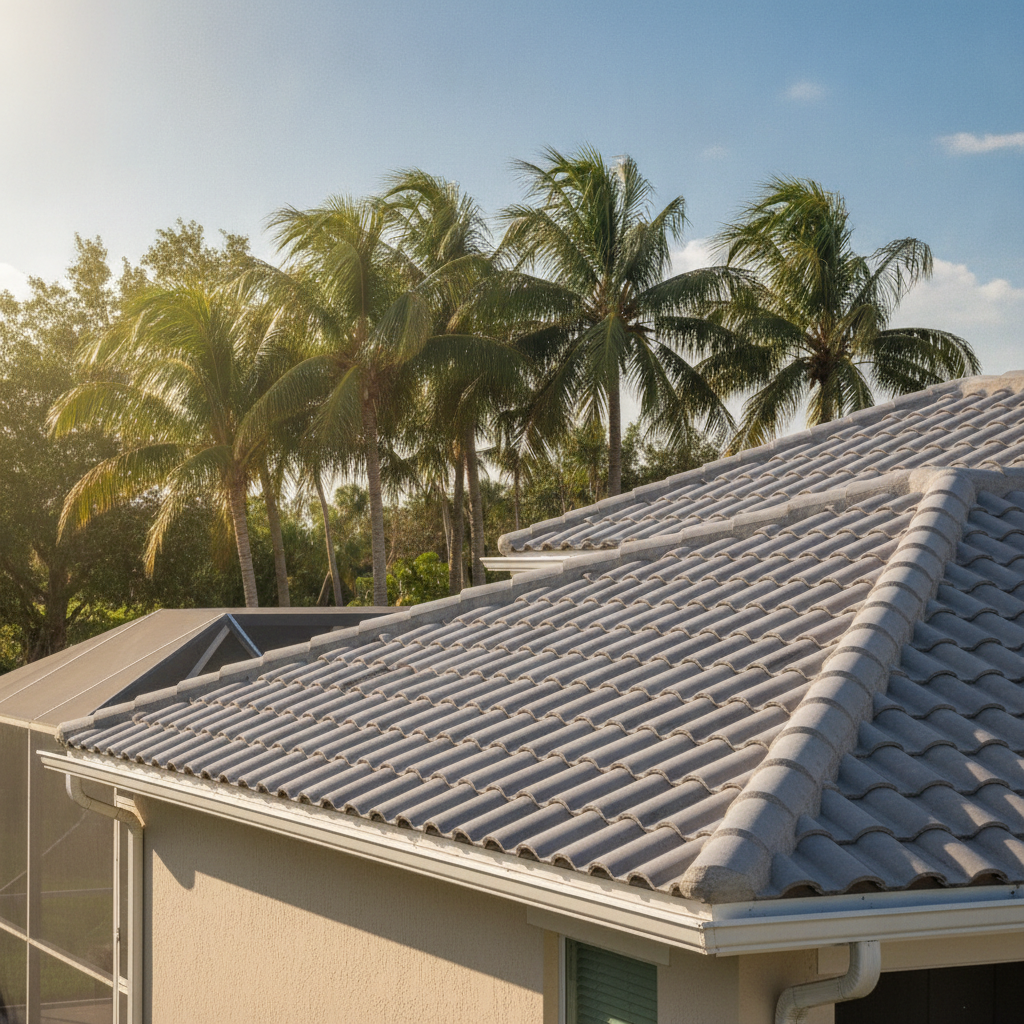
Understanding how different roofing materials perform under Satellite Beach’s specific environmental stressors is crucial. While many homes feature architectural shingles, these are often rated for wind speeds up to 130 mph and offer a lifespan of 25-30 years. However, the constant exposure to salt spray and intense sun can accelerate granule loss, reducing their protective capabilities over time. Concrete tiles, a popular choice for their aesthetic appeal and impressive durability, can withstand winds exceeding 150 mph and boast a 50-year-plus lifespan. While highly resistant to wind and salt, their weight requires robust decking, and they can be susceptible to cracking from direct impact during severe storms.
For those seeking superior longevity and storm resistance, standing seam metal roofing is an excellent investment. Rated for winds often exceeding 150 mph, metal roofs can last 40-70 years and are highly resistant to both salt corrosion and fire. Though the initial installation cost is typically higher than shingles, their minimal maintenance and extended lifespan often result in lower lifetime costs. For some commercial or multi-family structures, flat roofing systems like TPO or modified bitumen are utilized. These require diligent maintenance to prevent ponding water issues and ensure seams remain sealed against the persistent moisture of our climate.
Building Codes: Evolving for Greater Protection
The resilience of Satellite Beach roofing has been significantly bolstered by the continuous evolution of the Florida Building Code (FBC). Following the devastation of Hurricane Andrew in 1992 and the active 2004 hurricane season, Florida dramatically updated its building standards, and these rigorous codes apply directly to Brevard County and Satellite Beach. While Satellite Beach is not within a High-Velocity Hurricane Zone (HVHZ), it still adheres to stringent FBC standards, including the current 8th Edition (2023). These codes dictate everything from the type and spacing of fasteners used to attach roof decking (e.g., 8d ring-shank nails at 6-inch centers) to the requirement for a secondary water barrier (SWR), such as a self-adhering modified bitumen underlayment, to protect against water intrusion even if the primary roofing material is compromised.
Local Satellite Beach and Brevard County building departments enforce these codes meticulously. When you get a new roof, it must meet these elevated standards, which include specific wind uplift ratings for materials and installation methods. For instance, any re-roofing project that replaces 25% or more of the roof surface typically triggers the requirement to bring the entire roof system up to current code, including upgrading roof-to-wall connections if needed. This commitment to higher standards ensures that new and replacement roofs are significantly more robust than those installed decades ago, offering enhanced protection against the next major storm event.
The Critical Role of Proactive Maintenance and Timely Repairs
Drawing lessons from decades of storm history, it’s clear that proactive roof maintenance and timely repairs are not merely suggestions but necessities for Satellite Beach homeowners. The constant assault from salt, sun, and seasonal storms means that even the smallest issue can quickly escalate. A single missing shingle, a cracked tile, or compromised flashing around a vent pipe allows water to penetrate the roof deck, leading to rot, mold, and costly interior damage. Annual professional inspections are vital, especially after any significant weather event. Catching and addressing these minor issues, from clearing debris and resealing penetrations to replacing a few damaged shingles, can prevent a small repair bill of a few hundred dollars from becoming a catastrophic roof replacement and interior renovation costing tens of thousands. Delaying these crucial repairs is a gamble no homeowner in our area can afford to take.
Why a Local, Experienced Roofer is Indispensable
When it comes to protecting your Satellite Beach home, choosing a local, experienced roofer is paramount. A roofer familiar with our specific climate understands the unique challenges posed by salt air, intense sun, and hurricane-force winds. They are well-versed in the nuances of the Florida Building Code as enforced by Brevard County and Satellite Beach, ensuring your roof meets all local requirements and passes inspection the first time. Unlike out-of-town “storm chasers,” a local company has a vested interest in the community, a reputation to uphold, and will be here long after the storm passes to stand behind their work. They know which materials perform best in our environment, how to navigate local permitting, and can respond quickly when emergency repairs are needed, offering peace of mind that an unfamiliar contractor simply cannot provide.
Protecting Your Investment: Actionable Steps for Satellite Beach Homeowners
-
Schedule Regular Professional Roof Inspections
WHY: In Satellite Beach’s harsh coastal environment, minor issues can quickly escalate. Salt air, intense sun, and frequent storms cause wear and tear that’s not always visible from the ground. Regular inspections catch problems like lifted shingles, cracked tiles, compromised flashing, or granule loss before they lead to costly leaks and interior damage.
HOW: Schedule a professional roof inspection at least once a year, preferably in late spring before hurricane season. Additionally, perform a visual check yourself after every major storm. Look for debris, missing or damaged materials, and signs of wear. -
Understand Your Roof’s Current Condition and Lifespan
WHY: Knowing the age, material, and typical lifespan of your roof helps you anticipate future needs and budget accordingly. A shingle roof nearing its 20-25 year mark, for instance, will be far more vulnerable to a hurricane than a newly installed metal roof. This knowledge is crucial for proactive planning.
HOW: Consult with a reputable local roofer to assess your roof’s age and current condition. They can provide an estimate of its remaining useful life and identify any immediate vulnerabilities specific to your roofing material (e.g., granular loss on asphalt shingles, hairline cracks in tiles). -
Prioritize Immediate and Proactive Repairs
WHY: Delaying even small repairs in a hurricane-prone area is a significant risk. A small leak can lead to extensive water damage, mold growth, and compromised structural integrity. Proactive maintenance, like securing loose flashing or replacing a few missing shingles, is always more cost-effective than emergency repairs or a full roof replacement after a storm.
HOW: Don’t ignore drips or water stains. Address any missing shingles, cracked tiles, or visible damage immediately. Ensure your gutters are clear of debris to prevent water from backing up and seeping under the roof edge. Budget for minor repairs as part of your annual home maintenance. -
Review Your Homeowner’s Insurance Policy Annually
WHY: Florida’s insurance market is dynamic, with policies and premiums changing frequently. Understanding your coverage limits, deductibles (especially your hurricane deductible), and the difference between Actual Cash Value (ACV) and Replacement Cost Value (RCV) for your roof is vital. This ensures you’re adequately protected in the event of storm damage.
HOW: Contact your insurance agent at least once a year to review your policy. Ask specific questions about roof damage coverage, wind mitigation credits you might qualify for, and the claims process. Document your roof’s condition with photos and inspection reports, as this can be invaluable if you need to file a claim. -
Prepare for Hurricane Season Beyond Just Shutters
WHY: While shutters protect windows, comprehensive hurricane preparedness protects your entire home, including your roof. Proactive steps can significantly reduce the risk of catastrophic damage and ensure your property is as resilient as possible before a storm hits.
HOW: Trim trees and remove dead branches that could fall on your roof. Secure any loose items in your yard. Clear gutters and downspouts to allow for efficient water runoff. Have an emergency kit ready, and ensure you have a trusted local roofer’s contact information stored in advance, not just when a storm is bearing down. -
Choose a Local, Licensed, and Insured Roofer
WHY: This is perhaps the most critical step for long-term roof protection in Satellite Beach. A local roofer understands the Florida Building Code, Brevard County permitting, and the specific challenges of our coastal climate. They are accountable to the community and will be there for follow-up and warranty work. Avoid out-of-state “storm chasers” who often disappear after the work is done, leaving you without recourse for issues.
HOW: Always verify a roofer’s license (through the Florida DBPR) and insurance. Ask for local references and check online reviews. Get multiple detailed quotes and ensure the contract specifies materials, scope of work, warranty information, and adherence to all local building codes.
Frequently Asked Questions
What roofing materials offer the best hurricane protection in Satellite Beach?
For homes in Satellite Beach, metal roofing and reinforced asphalt shingles are highly recommended for hurricane resistance. Metal roofs are extremely durable, fire-resistant, and can withstand high winds, while certain asphalt shingles are designed with enhanced adhesion and impact resistance to perform well in severe weather.
How often should I have my roof inspected in Satellite Beach, considering its storm history?
Given Satellite Beach’s exposure to tropical storms and hurricanes, it’s advisable to have your roof professionally inspected at least once a year, ideally before hurricane season begins. Additionally, a thorough inspection should always be scheduled immediately after any significant storm event, even if no visible damage is apparent from the ground.
Will my homeowner’s insurance policy cover hurricane damage to my roof in Florida?
Most Florida homeowner’s insurance policies do cover hurricane damage, but specifics can vary greatly. It’s crucial to review your policy for details on deductibles, exclusions, and whether you have a separate hurricane deductible. We recommend consulting with your insurance provider and a reputable roofing contractor to understand your coverage fully before a storm hits.
What are the subtle signs of hidden storm damage I should look for on my roof after a hurricane?
Beyond obvious missing shingles or large leaks, subtle signs of storm damage can include granular loss from asphalt shingles, small dents on metal roofs, or lifted edges that could allow water intrusion. Also, check for debris on the roof, damaged gutters, or even water stains on your interior ceilings, which could indicate a compromised roof structure.
Is it a worthwhile investment to upgrade my roof to meet newer Florida building codes for hurricane resistance?
Absolutely. Upgrading your roof to meet or exceed current Florida building codes provides superior protection against future storms, potentially reducing insurance premiums and increasing your home’s value. These codes are specifically designed to enhance structural integrity and weather resistance, offering peace of mind and long-term savings in a storm-prone area like Satellite Beach.
Roofing Services Across Central Florida
Florida Roof Bros serves homeowners throughout Brevard County, Pinellas County, and surrounding Central Florida communities. If you need a roof inspection, repair, or replacement in any of these areas, our team is ready to help:
- Palm Bay, FL Roofing
- Melbourne, FL Roofing
- West Melbourne, FL Roofing
- Rockledge, FL Roofing
- Vero Beach, FL Roofing
Protecting Your Satellite Beach Home with Florida Roof Bros
Understanding Satellite Beach’s rich storm history isn’t just about looking to the past; it’s about proactively safeguarding your future. The lessons learned from previous hurricanes underscore the critical importance of a robust, well-maintained roof. By investing in quality materials and timely inspections, homeowners can ensure their property stands strong against the inevitable challenges of Florida’s weather, protecting their family and their most significant asset.
Don’t wait for the next storm to discover your roof’s vulnerabilities. Proactive roof care is the smartest investment you can make for your Satellite Beach home. Whether you’re considering an upgrade, suspect recent storm damage, or simply want peace of mind, our expert team is here to provide unparalleled service and reliable solutions tailored to our unique coastal environment.
Take the first step towards superior roof protection today. Florida Roof Bros offers 100% free, no-obligation roof inspections, allowing you to understand your roof’s current condition and any potential risks without any cost. Our experienced professionals will thoroughly assess your roof, provide an honest evaluation, and recommend the best course of action to ensure your home is ready for anything Mother Nature throws its way.
Ready to secure your home? Contact Florida Roof Bros today to schedule your free inspection. Call us directly at (321) 446-1702. Trust the Pros, Call the Bros , your reliable partner in protecting your Satellite Beach home.
Need a free roof inspection? Call Florida Roof Bros at (321) 446-1702 or request a free inspection online. Family-owned, no subcontractors, Owens Corning Platinum Preferred. Trust the Pros, Call the Bros.
