

General Roofing
Roofing
The Florida Homeowner’s Guide to Roof Lifespan: Expectancy, Maintenance, and Replacement
The scent of salt in the air, the constant hum of cicadas, and the brilliant Florida sunshine filtering through palm trees , these are the hallmarks of life in Palm Bay and across Brevard County. It’s a paradise, but one that comes with its own unique set of challenges, especially for the roof over your head. You might find yourself glancing up after a summer storm, wondering if those dark streaks are just dirt, or if that loose granule is a sign of something more serious. Perhaps you’ve seen neighbors getting their roofs replaced, or heard the whispers of an impending hurricane season, and a quiet anxiety begins to settle in: how long does a roof really last here in Florida?
For many homeowners, the roof is one of the most significant, yet least understood, components of their property. It’s out of sight, out of mind, until a problem arises. The uncertainty surrounding a roof’s lifespan, its vulnerability to our relentless climate, and the sheer cost of replacement can be a source of considerable stress. You want to protect your investment, ensure your family’s safety, and avoid unexpected expenses, but knowing when to act, what to look for, and what to expect can feel like navigating a maze without a map.
This guide is designed to be that map for Florida homeowners. We aim to demystify the journey of your roof, providing clear, actionable insights into what influences its longevity, how to maintain it effectively, and when it’s time to consider a replacement. We’ll explore the average lifespans of common roofing materials, delve into the specific environmental factors that accelerate wear and tear in our region, and equip you with the knowledge to make informed decisions about one of your home’s most critical defenses.
Understanding your roof’s expected lifespan isn’t just about its age; it’s about a complex interplay of material quality, installation expertise, and ongoing care. Here at Florida Roof Bros, a family-owned company deeply rooted in the Brevard County community, we’ve seen firsthand what our Florida climate can do to a roof. With over 25 years of combined experience and a commitment to using only our own in-house crews, never subcontractors, we bring unparalleled expertise to every project. We are proud to be an Owens Corning Platinum Preferred Contractor, a testament to our quality and reliability, and our A+ rating with the BBB along with over 300 five-star Google reviews speak volumes about our dedication to homeowner satisfaction. When you need expert advice or service, don’t hesitate to call us at (321) 446-1702.
Our goal is to empower you with the knowledge to confidently assess your roof’s condition, understand the nuances of its lifespan, and take proactive steps to protect your home. From the moment the first shingle is laid to the day a new roof is considered, this guide will walk you through the essential considerations for maximizing your roof’s life in the unique, demanding environment of Central Florida, including Pinellas County and Brevard County. Trust the Pros, Call the Bros.
The Unique Challenges of a Florida Roof: Battling the Elements
Life in Florida offers abundant sunshine and beautiful weather, but this idyllic setting presents a formidable adversary for any roofing system. Unlike roofs in cooler, drier climates, a roof in Palm Bay or anywhere across Brevard County faces a relentless assault from multiple environmental factors that significantly accelerate wear and tear. Understanding these specific challenges is the foundational step in comprehending your roof’s true lifespan and the importance of professional care.
The most obvious culprit is the intense, year-round ultraviolet (UV) radiation from the sun. Florida’s high sun exposure acts like a constant oven, degrading roofing materials over time. Asphalt shingles, for example, can become brittle, losing their protective granules and reducing their effective lifespan. Metal roofs absorb significant heat, leading to expansion and contraction cycles that stress fasteners and seams. Tile roofs, while durable, are still subject to the bleaching and weakening effects of prolonged UV exposure, which can affect their protective coatings and underlayment.
Beyond the sun, Florida’s climate is characterized by heavy rainfall, high humidity, and, of course, hurricane season. Frequent torrential downpours can test a roof’s drainage capabilities, leading to standing water if not properly sloped or maintained. High humidity fosters the growth of algae, mold, and mildew, which not only stain the roof but can also trap moisture, leading to premature deterioration of shingles, underlayment, and even the roof deck itself. These biological growths are particularly prevalent in shaded areas and can significantly shorten a roof’s aesthetic and functional life.
Then there are the winds. Florida building codes, especially those implemented after Hurricane Andrew, are among the strictest in the nation for good reason. From tropical storms to full-blown hurricanes, sustained high winds and sudden gusts can uplift shingles, damage flashing, and compromise the entire roofing system. These codes mandate specific installation techniques, stronger fasteners, and more robust materials designed to withstand significant wind forces, directly impacting a roof’s resilience and longevity in our coastal and central regions.
Given these formidable environmental pressures, the quality of installation becomes paramount. Even the most advanced, hurricane-rated materials will fail prematurely if not installed correctly and according to Florida’s stringent building codes. This is why our family-owned Florida Roof Bros insists on using only our own experienced, in-house crews, never subcontractors. Our team is licensed, insured, certified, and bonded (FL license CCC1332911), ensuring every roof we install meets the highest standards for durability and compliance, giving homeowners peace of mind and maximizing their roof’s potential lifespan against our unique climate.
In essence, a Florida roof is constantly fighting a battle against the elements. Understanding these pervasive environmental factors, from the scorching sun to the driving rains and high winds, is crucial for any homeowner in Palm Bay, Brevard County, or surrounding Central Florida and Pinellas County areas. This foundational knowledge allows us to better appreciate the specific material considerations, maintenance strategies, and professional interventions necessary to ensure your roof provides reliable protection for as long as possible.
Understanding Your Florida Roof’s Lifespan and What Impacts It
Living in Palm Bay, you know your roof isn’t just a hat for your house; it’s a critical shield against the relentless Florida sun, torrential downpours, and the ever-present threat of hurricanes. Unlike roofs in cooler climates, a Florida roof faces unique challenges that significantly influence its lifespan. Understanding these factors is key to protecting your investment and ensuring your home remains safe and dry for years to come.
Common Florida Roofing Materials and Their Expected Lifespans
The type of roofing material you choose, or already have, plays the biggest role in how long your roof will last. Here’s what you can generally expect for the most common options we see across Palm Bay and the Space Coast:
- Asphalt Shingles: Architectural shingles are very popular due to their cost-effectiveness and aesthetic appeal. In Florida’s harsh climate, you can typically expect these to last between 15 to 25 years. This is often shorter than the 20-30 years quoted nationally, primarily due to intense UV exposure, high humidity, and frequent thermal expansion and contraction. Many modern architectural shingles are rated for wind speeds up to 130 mph, crucial for our hurricane zones.
- Metal Roofing: Standing seam metal roofs are gaining immense popularity here, and for good reason. They are incredibly durable, offering a lifespan of 40 to 70 years, often more. Their robust nature allows them to withstand hurricane-force winds, frequently rated for Category 4 or even 5 storms, and they reflect solar heat, which can lead to energy savings.
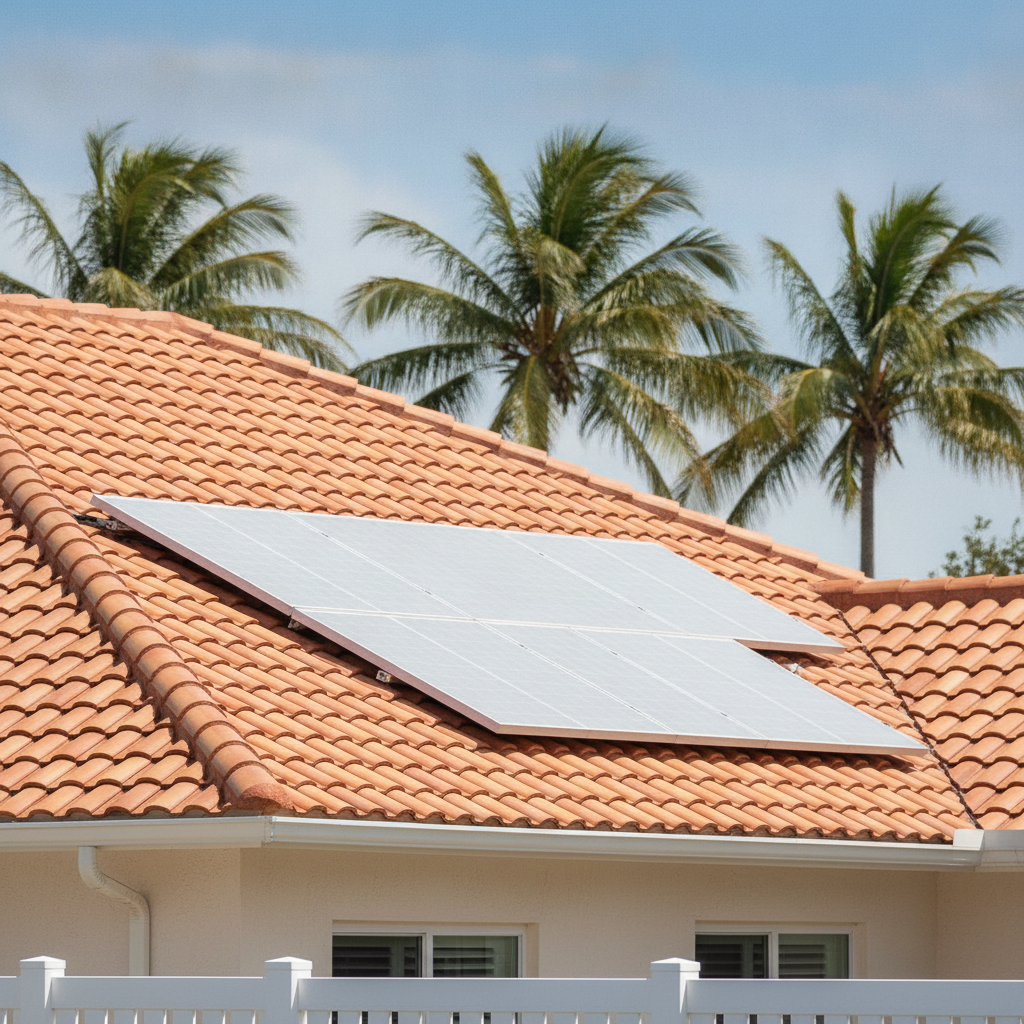
- Tile Roofing (Concrete & Clay): Concrete and clay tiles are the workhorses of Florida roofing, known for their exceptional longevity. Concrete tiles commonly last 50 years or more, while natural clay tiles can easily exceed 100 years. These materials are highly resistant to fire, rot, and insects, and their heavy weight provides excellent wind resistance, though proper installation and a strong roof deck are paramount under the Florida Building Code.
Critical Factors That Shorten or Extend Your Roof’s Lifespan
While material choice is fundamental, several other factors heavily influence how long your particular roof will endure. Ignoring these can significantly cut short even the most durable roof’s life:
- Florida’s Climate: Our intense UV radiation relentlessly breaks down roofing materials. High humidity encourages algae, moss, and mold growth, which can trap moisture and degrade surfaces. Frequent heavy rains and the constant threat of high winds from tropical storms and hurricanes put immense stress on all roofing components.
- Installation Quality: This is perhaps the most critical factor. Even the best materials will fail prematurely if not installed correctly and in strict adherence to the Florida Building Code. Proper underlayment, correct nailing patterns, secure flashing, and appropriate ventilation are non-negotiable for longevity and storm resilience. A shoddy installation can void warranties and leave your home vulnerable.
- Maintenance Habits: A “set it and forget it” approach is a recipe for early roof failure. Regular cleaning, debris removal, and prompt repairs of minor issues prevent small problems from becoming major, costly ones.
- Attic Ventilation: In Palm Bay’s heat, adequate attic ventilation is vital. Poor ventilation traps heat and moisture, which can bake shingles from underneath, cause wood rot, and lead to higher energy bills. Proper airflow extends the life of your roof system and improves your home’s overall efficiency.
Recognizable Signs Your Roof is Nearing the End of Its Life
It’s crucial to know the warning signs that your roof is aging out and may need professional attention. Catching these early can prevent significant interior damage:
- For Asphalt Shingles: Look for excessive granule loss (often seen in gutters), curling or buckling shingles, cracked or brittle shingles, and dark streaking from algae. Missing shingles are an obvious red flag.
- For Metal Roofs: Rust spots, especially around fasteners or seams, loose panels, excessive fading or chalking of the coating, and dents from hail or falling debris indicate wear.
- For Tile Roofs: Cracked, broken, or dislodged tiles are common indicators. Also, watch for efflorescence (white, powdery deposits) or signs of moisture under the tiles.
- General Signs: Water stains on ceilings or walls, a sagging roof deck, unusually high energy bills (indicating poor insulation or ventilation), or simply a roof that looks visibly worn and aged are all reasons to call for a professional inspection.
Understanding Roofing Warranties and Future Protection
Warranties are your safety net, but they’re not all created equal. There are typically two types: the manufacturer’s warranty, which covers material defects, and the workmanship warranty, provided by your roofer, covering installation errors. Manufacturer warranties for materials can range from 25 years to a lifetime, but often prorate after a certain period. Workmanship warranties are usually shorter, perhaps 5-10 years, but are incredibly important in Florida where proper installation is paramount. Always read the fine print; many warranties require regular maintenance and professional inspections to remain valid. A good warranty provides peace of mind, but remember, it backs up the expected lifespan, it doesn’t guarantee against acts of nature like a direct hurricane hit.
Practical Steps for Palm Bay Homeowners to Maximize Roof Life
As a homeowner in Palm Bay, taking proactive steps is the best way to extend your roof’s life, protect your investment, and ensure your family’s safety. Here’s what Florida Roof Bros recommends:
-
Schedule Annual Professional Roof Inspections
WHY: Regular inspections, ideally once a year, are your first line of defense. A trained eye can spot minor issues like loose shingles, damaged flashing, or early signs of algae growth that you might miss from the ground. Catching these problems early can prevent them from escalating into costly repairs or major leaks, especially after our severe storm seasons. Many manufacturer warranties also require documented inspections to remain valid.
HOW: Contact a reputable local roofer like Florida Roof Bros to schedule a comprehensive inspection. They will assess the entire roof system, including the decking, flashing, gutters, and ventilation, providing you with a detailed report and recommendations.
-
Maintain Your Roof and Gutters Regularly
WHY: Debris buildup, especially from our lush Florida foliage, can trap moisture, promote mold and algae growth, and impede proper water drainage. Clogged gutters cause water to back up onto your roof or spill over, leading to fascia rot, foundation issues, and even interior leaks. Our high humidity in Palm Bay makes regular cleaning even more critical.
HOW: Clean your gutters at least twice a year, more often if you have many overhanging trees. Gently remove leaves, branches, and other debris from your roof surface. For stubborn algae or mold, consider a professional soft-washing service that uses appropriate, non-damaging cleaning solutions.
-
Ensure Proper Attic Ventilation
WHY: In Florida’s scorching heat, an improperly ventilated attic can become an oven. This heat bakes your roof shingles from underneath, significantly shortening their lifespan, and drives up your air conditioning costs. Poor ventilation also traps moisture, leading to mold growth and wood rot in your attic and roof decking.
HOW: Have a professional assess your attic’s ventilation system. Ensure you have adequate intake (soffit) and exhaust (ridge or static) vents to allow for continuous airflow. Upgrading your ventilation can be a cost-effective way to extend roof life and improve home energy efficiency.
-
Understand and Document Your Roof’s History and Warranty
WHY: Keeping meticulous records of your roof’s installation, repairs, and inspections is invaluable. This documentation is critical for insurance claims, warranty claims, and even when selling your home. Knowing what your warranty covers, for how long, and what voids it (like improper repairs) can save you significant headaches and expenses down the line.
HOW: Create a dedicated folder for all roof-related paperwork. Include your original installation contract, material warranty certificates, repair receipts, and annual inspection reports. Note down any significant weather events and subsequent checks.
-
Prepare for Hurricane Season Proactively (Florida-Specific)
WHY: Hurricane season is a reality of life in Palm Bay. Proactive preparation can significantly reduce potential damage, speed up recovery, and potentially save you thousands in emergency repairs. Waiting until a storm is imminent is too late.
HOW: Before June 1st each year, get a professional roof inspection to identify and address any vulnerabilities. Trim any tree branches that overhang your roof. Understand your homeowner’s insurance policy, especially your deductible for hurricane damage, and the claims process *before* a storm hits. Consider a wind mitigation inspection; it can often lead to substantial discounts on your insurance premiums.
-
Address Repairs Promptly
WHY: In Florida’s humid and wet climate, even a small leak or a single missing shingle can quickly lead to widespread water damage, mold growth, and structural issues. What seems minor today can become a major, expensive catastrophe tomorrow, especially with heavy rains or a tropical storm.
HOW: Never ignore signs of damage. If you notice a missing shingle, a water stain, or any other anomaly, contact Florida Roof Bros immediately. Prompt, professional repairs are an investment in preventing much larger problems down the road.
Frequently Asked Questions
What is the typical lifespan of an asphalt shingle roof in Palm Bay, FL?
The typical lifespan for an asphalt shingle roof in Palm Bay, FL, generally ranges from 15 to 25 years. However, Florida’s intense heat, humidity, and frequent severe weather events, including hurricanes and tropical storms, can significantly impact this. Proper installation, quality materials, and consistent maintenance are key factors in helping your roof reach the higher end of its expected life.
How often should I have my roof inspected in Florida’s climate?
Given Florida’s challenging climate, it is highly recommended that homeowners in Palm Bay have their roofs professionally inspected at least once a year. Additionally, a thorough inspection should be conducted after any major storm event, even if visible damage is not immediately apparent. Regular inspections help catch minor issues early, preventing them from escalating into costly repairs or premature replacement.
What are the primary signs that my roof needs replacement rather than just repairs in Palm Bay?
Key indicators that your roof may need replacement include widespread missing or damaged shingles, significant granule loss on asphalt shingles, visible sagging, or persistent leaks in multiple areas. Additionally, if your roof is nearing or past its expected lifespan and showing several signs of wear, a full replacement is often more cost-effective and safer than continuous repairs. Extensive mold or mildew growth that has penetrated the decking can also signal the need for a new roof.
How much does a new metal roof typically cost in Palm Bay, FL, compared to asphalt shingles?
In Palm Bay, FL, a new metal roof typically represents a higher initial investment compared to traditional asphalt shingles. While asphalt shingle roofs might range from $8,000 to $15,000 for an average-sized home, a metal roof could range from $15,000 to $35,000 or more, depending on the type of metal, complexity, and size. However, metal roofs offer superior durability, a much longer lifespan (40-70 years), better energy efficiency, and often require less maintenance, which can lead to significant long-term savings and increased home value.
Does homeowner’s insurance in Florida cover roof replacement due to storm damage?
Most homeowner’s insurance policies in Florida do cover roof replacement due to sudden and accidental storm damage, such as from hurricanes, hail, or strong winds. However, coverage can vary based on your specific policy, deductible, and the age of your roof. It is crucial to understand your policy’s terms, including any “actual cash value” versus “replacement cost value” clauses, and to file claims promptly after noticing damage.
Roofing Services Across Central Florida
Florida Roof Bros serves homeowners throughout Brevard County, Pinellas County, and surrounding Central Florida communities. If you need a roof inspection, repair, or replacement in any of these areas, our team is ready to help:
- Melbourne, FL Roofing
- West Melbourne, FL Roofing
- Rockledge, FL Roofing
- Vero Beach, FL Roofing
- Sebastian, FL Roofing
Your Roof, Your Investment, Our Expertise
Understanding your roof’s lifespan, the critical role of consistent maintenance, and recognizing the signs for timely replacement is paramount for any Florida homeowner. Especially in Palm Bay, where our homes face unique environmental challenges, being proactive about your roof’s health isn’t just a good idea, it’s essential for protecting your most significant investment. A well-maintained roof safeguards your family, your belongings, and your peace of mind against the elements.
Don’t wait for a small leak to become a major structural issue, or for a minor repair to turn into an emergency replacement during hurricane season. Proactive care and timely interventions are the most effective ways to extend your roof’s life, maintain your home’s integrity, and avoid costly surprises down the line. Regular assessments allow you to plan for future expenses and ensure your home remains a safe and secure haven.
At Florida Roof Bros, we are dedicated to providing Palm Bay homeowners with reliable, high-quality roofing solutions. Whether you’re curious about your roof’s current condition, considering an upgrade, or need immediate assistance, our team of experts is ready to help. We offer 100% free, no-obligation roof inspections to thoroughly assess your roof’s health and provide transparent recommendations tailored to your specific needs and budget.
Take the first step towards a stronger, more resilient roof for your Florida home. Contact Florida Roof Bros today to schedule your free inspection and let us help you protect your investment for years to come. For trusted roofing services in Palm Bay and throughout Florida, call us at (321) 446-1702. Trust the Pros, Call the Bros!
Need a free roof inspection? Call Florida Roof Bros at (321) 446-1702 or request a free inspection online. Family-owned, no subcontractors, Owens Corning Platinum Preferred. Trust the Pros, Call the Bros.
