

General Roofing
Roofing
Florida Roof Lifespan Explained: A Guide for Palm Bay Homeowners
The relentless Florida sun beating down, another afternoon thunderstorm rolling in, or perhaps you just noticed your neighbor getting a full roof replacement , these are common scenes for homeowners here in Palm Bay and across Brevard County. It’s natural to glance up at your own roof and wonder: How much longer does it have? Is it ready for another hurricane season? Understanding the expected lifespan of your roof isn’t just about curiosity; it’s a critical piece of homeowner knowledge that impacts your budget, property value, and peace of mind.
This guide aims to demystify the factors influencing your Florida roof’s durability, helping you anticipate potential issues and make informed decisions. We’ll explore everything from the punishing local climate to the specific materials protecting your home, providing you with practical insights into what truly dictates how long your roof will serve you. Being proactive about your roof’s condition can save you significant stress and expense down the line, whether through timely maintenance or knowing when to plan for a replacement.
Florida’s unique environment, characterized by intense UV radiation, high humidity, and frequent severe weather, puts exceptional strain on roofing materials. Unlike roofs in cooler, drier climates, a Florida roof faces an accelerated aging process. Knowing the typical lifespan for common materials like asphalt shingles, metal, and tile in this challenging setting is essential for any homeowner looking to protect their investment and ensure their family’s safety.
As a family-owned business deeply rooted in the Central Florida community, Florida Roof Bros has over 25 years of combined experience understanding these specific challenges. We believe in empowering homeowners with the knowledge needed to make the best choices for their homes. If you ever have questions about your roof’s condition or need expert advice, don’t hesitate to reach out to our team at (321) 446-1702 , we’re here to help.
By the end of this post, you’ll have a clearer picture of your roof’s potential trajectory, equipping you to recognize warning signs, understand maintenance priorities, and confidently plan for its future. This foundational understanding is the first step toward ensuring your home remains secure and protected against everything the Florida weather can throw at it, keeping your biggest asset in top condition for years to come.
How Florida’s Climate Shortens Your Roof’s LifespanThe Unforgiving Realities: How Florida’s Climate Shapes Your Roof’s Destiny
Living in Florida offers countless benefits, but the climate presents unique challenges for your home’s most crucial protective layer: the roof. Unlike other regions, a roof in Palm Bay or anywhere across Brevard County isn’t just dealing with rain; it’s constantly battling a combination of extreme elements that significantly shorten its lifespan. Understanding these specific environmental pressures is fundamental to appreciating why a “normal” roof lifespan might not apply here.
The most prominent factor is the relentless sun and its intense ultraviolet (UV) radiation. Day after day, year after year, UV rays break down roofing materials at a molecular level. Asphalt shingles lose their protective granules, becoming brittle and less effective. Metal roofs can expand and contract, stressing fasteners and seams. Even durable tile roofs can experience surface degradation over decades. This constant solar assault is a primary driver of premature aging for any roof material in our region.
Beyond the sun, Florida’s high humidity creates a breeding ground for algae, moss, and mildew. These organisms not only stain your roof, making it unsightly, but they can also retain moisture, leading to premature material breakdown, especially in shaded areas or valleys. When combined with frequent heavy rains and the occasional tropical storm or hurricane, the constant moisture exposure can compromise the integrity of flashing, underlayment, and even the roof deck itself over time.
Our unique climate also means roofs are designed and installed with specific building codes in mind. Florida’s stringent requirements, particularly for wind resistance, dictate everything from the type of fasteners used to the installation methods for shingles, metal panels, and tiles. These codes, regularly updated after significant weather events, are crucial for ensuring your roof can withstand the high winds and driving rain that are unfortunately common during our hurricane seasons, directly impacting its long-term resilience.
When you choose a roofing partner, their adherence to these codes and their expertise in local conditions are paramount. Our in-house crews at Florida Roof Bros, backed by 25+ years of combined experience, are not only licensed, insured, certified, and bonded (FL license CCC1332911), but they are also intimately familiar with the best practices for installing roofs that truly stand the test of time against Florida’s harsh environment. This commitment to quality, from our Owens Corning Platinum Preferred Contractor status to our A+ rating by the BBB and over 300 five-star Google reviews, directly translates into a more durable roof for your home.
Ultimately, a Florida roof’s lifespan is a complex interplay of material quality, installation expertise, and the unrelenting environmental forces it endures. Knowing these factors helps you understand why consistent maintenance and timely inspections are not just recommendations but necessities for maximizing your roof’s durability and ensuring it continues to protect your family and your investment for as long as possible. Neglecting these aspects can significantly reduce even the most robust roof’s expected service life.
Understanding What Drives Your Florida Roof’s Lifespan
Here in Palm Bay, your roof faces a gauntlet of environmental challenges that roofs in other parts of the country simply do not. Florida’s unique climate, characterized by intense sun exposure, relentless heat, high humidity, and the constant threat of severe storms, significantly impacts how long your roof will last. These factors work together to accelerate wear and tear, meaning a roof rated for 25 years nationally might only perform optimally for 15-20 years under our specific conditions.
Let’s talk about common roofing materials and their expected lifespans under the Florida sun. Architectural asphalt shingles are a popular choice for many Palm Bay homes due to their affordability and aesthetic versatility. While nationally they might be expected to last 20-25 years, the intense ultraviolet (UV) radiation and high temperatures we experience can cause granules to shed prematurely and shingles to curl or crack within 15-20 years. All new shingle installations must meet current Florida Building Code standards, often requiring a minimum 130 mph wind rating to withstand hurricane-force winds.
Metal roofing, particularly standing seam metal, offers superior durability and a much longer lifespan, often exceeding 40-70 years. This material is an excellent investment for Florida homeowners because it resists high winds, hail, and is far less susceptible to UV degradation than asphalt. For homes near the coast or those in Palm Bay experiencing salt air, we recommend specific finishes like Galvalume or aluminum to prevent corrosion and ensure maximum longevity, making it a robust choice against our challenging climate.
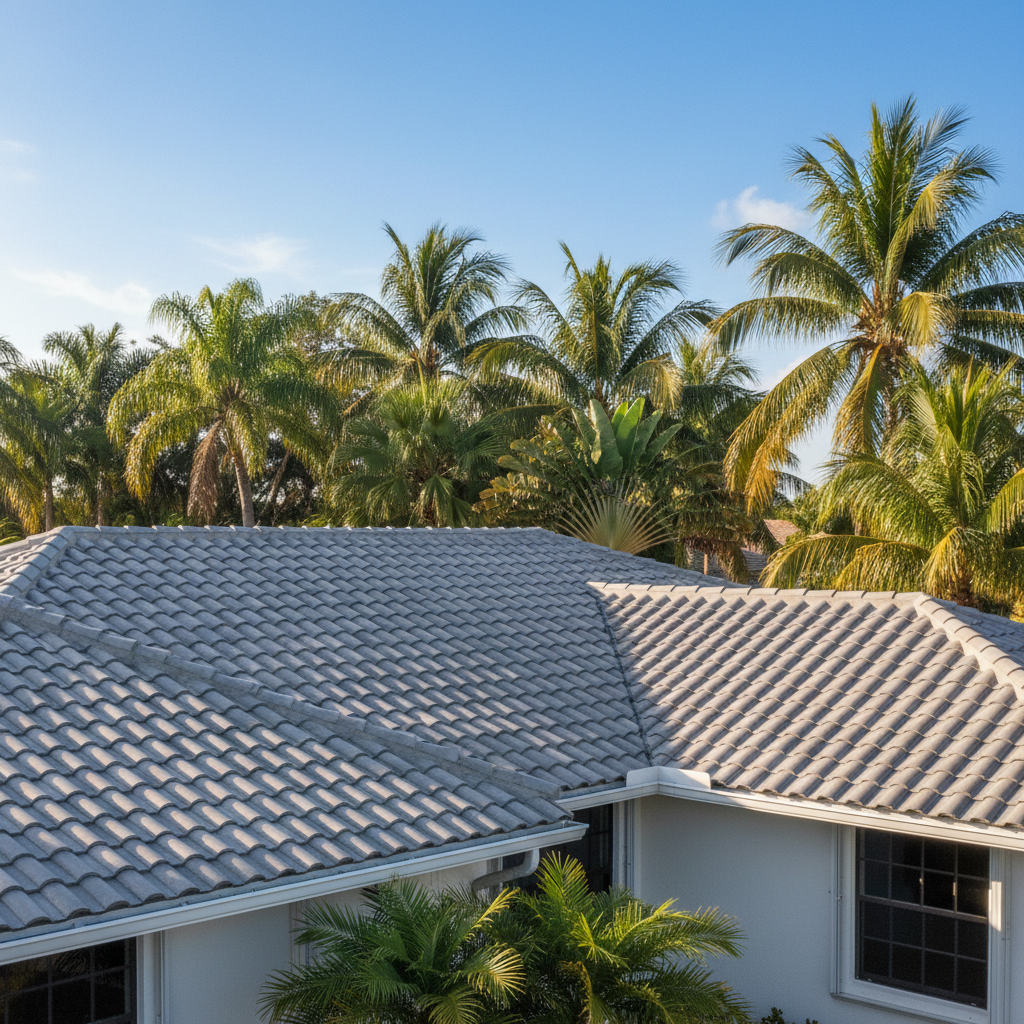
Tile roofing, including concrete and clay tiles, represents the pinnacle of longevity and aesthetic appeal in Florida, frequently lasting 50 years or more with proper installation and maintenance. Tiles are incredibly resistant to high winds, fire, and hail, and their mass helps insulate your home from the intense heat. However, the durability of a tile roof in Florida is heavily reliant on the quality of the underlayment beneath it; this critical component protects your home should a tile crack or shift, and it must meet stringent Florida Building Code requirements for wind and water resistance.
Recognizing the early signs that your roof is nearing the end of its life is crucial for proactive homeowners. For shingle roofs, look for excessive granule loss in your gutters, curling or buckling shingles, or visible cracks. Metal roofs may show signs of rust, loose fasteners, or panel separation, while tile roofs might have cracked, dislodged, or missing tiles. Inside your home, water stains on ceilings or walls, especially after rain, are undeniable indicators that your roof needs immediate professional inspection from a trusted Palm Bay roofing contractor.
To maximize your roof’s durability and extend its service life, essential maintenance cannot be overlooked. Regular professional inspections, especially after significant weather events like tropical storms or hurricanes, are vital for identifying and addressing minor issues before they escalate. Keeping gutters clear of debris, trimming overhanging tree branches, and promptly addressing any moss or algae growth are simple yet effective steps. Ensuring proper attic ventilation also plays a critical role in preventing heat and moisture buildup that can degrade roofing materials from the inside out.
When your roof is aging, you’ll eventually face the decision of whether to repair or replace it. This choice hinges on several factors: the roof’s overall age, the extent of the damage, and the cost-effectiveness of repairs versus a full replacement. If the damage is isolated and the roof is still relatively young, repairs may be a viable option. However, if your roof is nearing or past its expected lifespan, shows widespread deterioration, or has suffered significant storm damage, a full roof replacement is often the most prudent and cost-effective long-term solution, offering renewed protection and often better insurance rates.
What Palm Bay Homeowners Should Do to Protect Their Roof
Protecting your roof is one of the most important investments you can make for your Palm Bay home. Proactive measures can save you thousands in costly repairs and give you peace of mind during hurricane season. Here are actionable tips we recommend to every homeowner in our community:
- Schedule Regular Professional Roof Inspections:
WHY: Catching minor issues early, like loose shingles or compromised flashing, prevents them from escalating into major, expensive problems. A professional eye can spot subtle damage that an untrained homeowner might miss.
HOW: Plan for an annual inspection, and always schedule one immediately after any significant weather event, especially a named tropical storm or hurricane, even if you don’t see obvious damage from the ground. - Maintain Clear Gutters and Downspouts:
WHY: Clogged gutters prevent water from draining properly, leading to water pooling on your roof’s edge, rotting fascia, and potential foundation damage. In Florida’s heavy rain, efficient drainage is non-negotiable.
HOW: Clean gutters quarterly, or more frequently if your home is surrounded by trees. Ensure downspouts direct water at least several feet away from your home’s foundation. - Address Moss, Algae, and Mildew Promptly:
WHY: Florida’s high humidity creates a perfect breeding ground for organic growth, which can trap moisture, degrade roofing materials, and even cause granular loss on asphalt shingles. It’s not just an aesthetic issue.
HOW: Use manufacturer-approved cleaning solutions specifically designed for your roofing material. Avoid high-pressure washing on shingles, as it can strip away protective granules. For persistent issues, consult a professional. - Trim Overhanging Trees and Branches:
WHY: Overhanging limbs pose a significant threat during high winds and storms, potentially falling and causing severe roof damage. They also drop debris, which can clog gutters, and create shaded areas that promote algae growth.
HOW: Keep tree branches trimmed at least 6-10 feet away from your roof surface. Consider hiring a certified arborist for larger trees to ensure safe and proper pruning. - Understand Your Roof’s Warranty and Insurance Policy:
WHY: Knowing what your warranty covers and what your insurance policy entails is critical, especially in Florida. Some actions can void your warranty, and there are strict timelines for filing storm damage claims.
HOW: Keep all installation and maintenance records. Review your insurance policy annually with your agent to understand deductibles, coverage limits, and claim procedures for hurricane damage. Prompt communication with your insurer after any damage is key. - Ensure Proper Attic Ventilation:
WHY: Good attic ventilation helps dissipate heat buildup, which can significantly extend the life of your shingles by preventing premature aging. It also prevents moisture accumulation, which can lead to mold and rot.
HOW: Verify that your soffit and ridge vents are clear and unobstructed. If your home feels excessively hot in the summer, or you notice high energy bills, consult a roofing professional to assess your attic ventilation system. - Plan for Post-Storm Assessment Immediately:
WHY: Florida’s hurricane season means your roof is always at risk. Even seemingly minor damage can worsen quickly, and delaying a claim can complicate the process with your insurance company.
HOW: After any named storm, safely conduct a visual inspection of your roof from the ground. Document any suspected damage with clear photos and videos. Then, contact Florida Roof Bros promptly for a professional, detailed assessment and guidance on necessary next steps.
Frequently Asked Questions
How do Florida’s unique weather conditions, like those in Palm Bay, impact a roof’s typical lifespan?
Florida’s intense sun, high humidity, and frequent severe weather events, including hurricanes and tropical storms, significantly accelerate the wear and tear on roofing materials. These elements can cause premature aging, granule loss on asphalt shingles, and stress on roof structures, often reducing a roof’s expected lifespan compared to milder climates.
How often should I have my roof inspected in Palm Bay, FL, to ensure its longevity?
It is highly recommended that homeowners in Palm Bay have their roofs inspected at least once a year, ideally after hurricane season or before the peak summer heat. Regular inspections help identify minor issues early, like loose shingles or clogged gutters, preventing them from escalating into costly major repairs and extending your roof’s overall life.
What roofing materials offer the best longevity and durability specifically for the Florida climate?
For maximum longevity and resilience against Florida’s harsh climate, metal roofing and concrete or clay tile roofs are often recommended. While more of an initial investment, these materials are highly resistant to wind, UV radiation, and moisture, often outperforming traditional asphalt shingles in terms of lifespan and durability in Palm Bay. They are designed to withstand the intense sun and heavy rains characteristic of our region.
What are the clearest signs that my asphalt shingle roof in Palm Bay, FL, is nearing the end of its life and needs replacement?
Key indicators that your asphalt shingle roof needs replacement include widespread granule loss, cracked or curling shingles, visible dark streaks from algae or mold that cannot be cleaned, and significant sagging. Interior water stains or frequent leaks are also critical signs that the roofing system has failed its protective function, requiring immediate attention.
Does routine maintenance on my Palm Bay roof truly extend its lifespan, or is replacement inevitable regardless?
Absolutely, consistent routine maintenance plays a crucial role in significantly extending your roof’s lifespan and delaying the need for full replacement. Addressing minor repairs promptly, keeping gutters clear, trimming overhanging branches, and regular cleaning can prevent deterioration and preserve the structural integrity of your roof for many additional years. Proactive care is key to maximizing your investment.
How does proper attic ventilation specifically impact the longevity of my roof in Palm Bay’s hot climate?
Effective attic ventilation is crucial in Palm Bay because it helps dissipate the intense heat that builds up in your attic, preventing it from baking the underside of your roof deck and shingles. This not only extends the life of your roofing materials by reducing thermal stress but also contributes to lower energy bills and a more comfortable home interior. Proper airflow is vital for a healthy, long-lasting roof system.
Roofing Services Across Central Florida
Florida Roof Bros serves homeowners throughout Brevard County, Pinellas County, and surrounding Central Florida communities. If you need a roof inspection, repair, or replacement in any of these areas, our team is ready to help:
- Melbourne, FL Roofing
- West Melbourne, FL Roofing
- Rockledge, FL Roofing
- Vero Beach, FL Roofing
- Sebastian, FL Roofing
Protecting Your Investment: A Proactive Approach to Your Florida Roof
Understanding your roof’s lifespan and the various factors that influence it is paramount for any homeowner in Palm Bay, FL. From the relentless sun and high humidity to the ever-present threat of severe weather, Florida roofs face unique challenges. By staying informed about common issues, recognizing signs of wear, and embracing proactive maintenance, you can significantly extend the life of your roofing system and protect your home for years to come.
Don’t leave the condition of your home’s most vital protective layer to chance. Guessing about the health of your roof can lead to costly surprises down the road. Instead, empower yourself with accurate information and expert assessment from local professionals who understand the specific demands of the Florida climate.
Florida Roof Bros is here to provide you with peace of mind. We offer 100% free, no-obligation roof inspections, giving you a clear, honest assessment of your roof’s current state and its remaining lifespan. Our experienced team will identify any potential issues and recommend the best course of action, whether it’s a minor repair or a complete replacement. Take the first step towards ensuring your roof’s longevity and your home’s safety.
Ready to ensure your roof is ready for whatever Florida weather brings? Contact Florida Roof Bros today for your complimentary inspection. Trust the Pros, Call the Bros at (321) 446-1702. We look forward to serving the Palm Bay community with reliable, high-quality roofing solutions.
Need a free roof inspection? Call Florida Roof Bros at (321) 446-1702 or request a free inspection online. Family-owned, no subcontractors, Owens Corning Platinum Preferred. Trust the Pros, Call the Bros.
