

General Roofing
Insurance
Roofing
Storm Damage
Vero Beach Homeowners: Hurricane Season Roof Damage Insurance Coverage Explained
The immediate aftermath of a strong storm passing through Vero Beach often brings a mix of relief and apprehension. As the winds die down and the rain subsides, the first instinct for many homeowners is to step outside and survey their property, especially the roof. That nagging feeling in the pit of your stomach, wondering if the recent squall or even a full-blown hurricane left behind more than just scattered debris, is a common experience here on Florida’s Treasure Coast. You might spot a few missing shingles, a loose ridge cap, or even a tree limb resting precariously, and suddenly, a new wave of questions arises: Is this damage serious enough? Will my homeowner’s insurance cover it? What do I even do next?
Navigating the complexities of roof damage and homeowner’s insurance in Florida can feel like deciphering a foreign language, especially when you’re already stressed about potential repairs. Policies are dense, jargon is plentiful, and the rules often seem to shift with every new hurricane season. This uncertainty can leave Vero Beach homeowners feeling vulnerable, unsure of their rights, and hesitant about making the right decisions regarding their most significant investment. The goal of this guide is to cut through that confusion, providing you with a clear, straightforward understanding of your Vero Beach roof insurance coverage when storm damage strikes.
We understand these concerns intimately because we live and work right here in Brevard County and serve the surrounding Central Florida region, including Vero Beach. As a family-owned business, Florida Roof Bros has built its reputation over 25 years of combined experience on trust and transparency, helping our neighbors recover from countless storms. We know that when your roof is compromised, you need reliable information and expert assistance, not more headaches. That’s why we’re committed to explaining the nuances of insurance claims, from understanding your policy’s fine print to ensuring you get the full coverage you’re entitled to.
This post will walk you through the essential aspects of roof damage insurance coverage specific to Florida, helping you differentiate between qualifying storm damage and typical wear and tear, and outlining the critical steps to take when filing a claim. We’ll discuss how Florida-specific factors, like our intense weather patterns and unique building codes, influence what your policy covers and how claims are processed. Our aim is to empower you with the knowledge to make informed decisions, ensuring your roof is restored properly and your financial interests are protected, whether it’s a minor repair or a complete replacement.
Understanding your policy before disaster strikes, or immediately after, is crucial for a smooth recovery process. We’ll clarify key terms like deductibles, actual cash value versus replacement cost value, and how these impact your out-of-pocket expenses. Having a clear roadmap for the claims process can alleviate much of the stress homeowners face, allowing you to focus on getting your home back in shape. When you need expert advice or a professional assessment of your roof damage, remember you can always reach out to Florida Roof Bros at (321) 446-1702. Trust the Pros, Call the Bros, and let our A+ rated BBB service and 300+ five-star Google reviews speak to our dedication to quality and customer satisfaction.
The Florida Roofing Landscape: Why Your Insurance Coverage Matters
Living in Florida means embracing sunshine, beaches, and unfortunately, a relentless climate that puts our homes, especially our roofs, through extreme stress year after year. From the searing summer sun that bakes asphalt shingles, causing them to crack and degrade prematurely, to the daily afternoon thunderstorms that bring torrential rain and sudden gusts of wind, our roofs endure a constant assault. Then, of course, there’s hurricane season, a period from June to November when tropical storms and powerful hurricanes can unleash catastrophic wind forces and rainfall, testing even the most robust roofing systems to their limits. This unique environmental pressure is the foundational reason why understanding your roof insurance coverage is not just important, but absolutely essential for every Vero Beach homeowner.
Florida’s building codes are among the most stringent in the nation, largely a direct response to the devastating hurricanes of the past, such as Hurricane Andrew in 1992 and the active seasons of 2004 and 2005. These codes dictate everything from the materials used to the methods of installation, emphasizing enhanced wind resistance and water intrusion prevention. For example, modern roofs often require specialized underlayments, stronger nail patterns, and specific fastening techniques designed to help shingles and tiles withstand high winds. While these robust standards make our homes more resilient, they also mean that repairs and replacements are often more complex and costly, directly impacting the scope and value of your insurance claims.
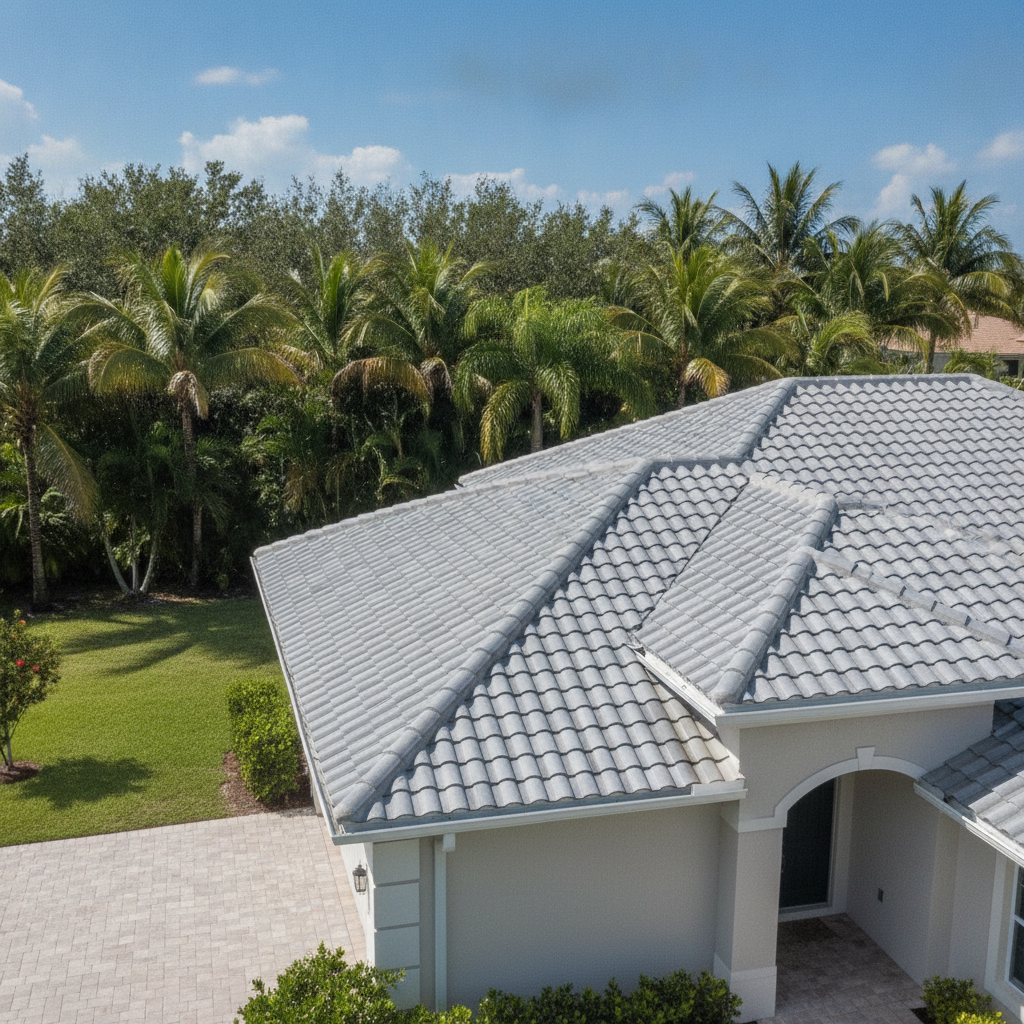
The type of roofing material on your Vero Beach home also plays a significant role in both its resilience and how insurance companies view coverage. Common options include asphalt shingles, which are prevalent and offer good protection but can be vulnerable to high winds and hail over time. Metal roofs, while a higher initial investment, boast superior durability and a longer lifespan, often leading to better insurance rates and fewer claims. Tile roofs, particularly concrete or clay, are highly durable and aesthetically pleasing but can be susceptible to impact damage from falling debris. Each material reacts differently to Florida’s climate factors, and understanding your roof’s specific characteristics is key to anticipating potential damage and navigating your insurance policy effectively.
Insurance providers in Florida have adapted their policies to reflect these environmental realities and building code requirements. They differentiate sharply between damage caused by sudden, unforeseen events, like a hurricane or severe hailstorm, and deterioration due to normal wear and tear or lack of maintenance. A roof that is nearing the end of its typical lifespan, for example, might be more prone to damage from a lesser storm, making the insurance claim process more challenging. This distinction is critical because policies are generally designed to cover unexpected perils, not the costs associated with routine upkeep or the natural aging process of your roofing system. Ensuring your roof is well-maintained can make a significant difference in the outcome of a future claim.
When storm damage does occur, especially after a significant weather event in Brevard County or Central Florida, the costs associated with assessment, repair, and potential full replacement can be substantial. A complete roof replacement on a typical Vero Beach home can easily range from $15,000 to $50,000 or more, depending on the size, pitch, and materials used. These are not expenses most homeowners can absorb out-of-pocket without significant financial strain, underscoring why a comprehensive understanding of your insurance policy is so vital. It’s not just about having coverage; it’s about knowing what that coverage truly entails, how to activate it, and what to expect throughout the process.
At Florida Roof Bros, our expertise extends beyond just installing and repairing roofs. With our Owens Corning Platinum Preferred Contractor status and 25+ years of combined experience, we are intimately familiar with the specific challenges Florida homeowners face, from the initial damage assessment to working alongside insurance adjusters. Our in-house crews, never subcontractors, are trained not only in superior roofing techniques but also in identifying storm-related damage that qualifies for insurance claims. Being licensed, insured, certified, and bonded (FL license CCC1332911), we provide the peace of mind that comes from working with a highly reputable and accountable local company dedicated to upholding the highest standards of workmanship and customer service for our Brevard and Pinellas County neighbors, and across Central Florida.
Understanding Your Vero Beach Roof Insurance Policy
Navigating your homeowner’s insurance policy after a storm can feel like deciphering a foreign language, especially here in Vero Beach where hurricane season is a constant consideration. However, understanding what your policy covers and, crucially, what it does not, is your first line of defense against unexpected costs. Standard Florida homeowner policies are designed to protect against sudden, accidental damage from specific perils, with wind, hail, and direct hurricane impacts being the most common culprits for roof damage in our coastal community. It is vital to remember that flood damage, while often associated with hurricanes, is typically covered under a separate flood insurance policy, not your standard homeowner’s.
Decoding Covered Damage vs. Wear and Tear
When a storm rolls through Vero Beach, the type of damage inflicted on your roof dictates whether your insurance will step in. Wind damage often manifests as lifted, creased, or missing shingles, detached flashing, or punctures from flying debris. For instance, a strong gust exceeding your roof’s wind rating (which, under the Florida Building Code, is robust, often requiring resistance to 130-150 mph winds depending on location and elevation) can easily cause such issues. Hail damage, common during summer thunderstorms, typically leaves granule loss, bruising, or cracking on asphalt shingles, dents on metal roofs, or subtle cracks on concrete tiles. Hurricane damage, however, often triggers a specific, higher deductible and encompasses a broader range of destruction, combining extreme wind forces with potential water intrusion.
The critical distinction for insurance purposes lies between sudden storm damage and gradual wear and tear. Your policy is not a maintenance contract. It will not cover a roof that has simply reached the end of its natural lifespan or deteriorated due to neglect. Examples of non-covered issues include widespread granule loss over many years, moss or algae growth, or minor leaks stemming from old, failing sealants. The key is that the damage must be a direct, sudden result of a covered peril. For instance, an asphalt shingle roof in Vero Beach typically lasts 15-20 years due to intense heat and humidity, compared to 20-25 years in cooler climates. If your 18-year-old roof experiences minor granule loss from a light rain, that is likely wear and tear. If a hurricane rips off a section of that same roof, that is storm damage.
Navigating the Claims Process
If you suspect storm damage, immediate and thorough documentation is paramount. Before even calling your insurance company, take clear, date-stamped photos and videos of all visible damage, both on the roof and any interior water intrusion. Document the surrounding area, including any fallen trees or debris. This visual evidence creates an indisputable record of the damage. We strongly recommend contacting a reputable Vero Beach roofer, like Florida Roof Bros, for a professional inspection first. Our experts can accurately assess the damage, differentiate between storm-related issues and pre-existing wear, and provide a detailed report that is invaluable for your claim.
When it is time for your insurance adjuster to inspect the roof, having your roofer present can make a significant difference. Your roofer acts as your advocate, ensuring the adjuster identifies all damage, including less obvious issues like hail bruising or lifted shingles not visible from the ground. This collaborative approach ensures a comprehensive assessment. Be prepared to provide your documented evidence and answer questions clearly and factually. A professional dialogue between your roofer and the adjuster streamlines the process and helps ensure a fair outcome.
ACV vs. RCV and Deductibles
Understanding the financial implications of your policy is crucial. Most Florida policies offer either Actual Cash Value (ACV) or Replacement Cost Value (RCV) coverage for your roof. ACV pays the depreciated value of your roof, meaning an older roof will yield a significantly lower payout, potentially leaving you with a substantial out-of-pocket expense. For example, a 10-year-old architectural shingle roof with a 25-30 year lifespan might only be valued at 50-60% of its replacement cost under an ACV policy. RCV, on the other hand, pays for a new roof of similar kind and quality, with the depreciation often recovered after the repair or replacement is completed. RCV is always the preferred option for homeowners.
Florida also has specific deductible structures. You will have a standard deductible for wind and hail damage, often ranging from $1,000 to $2,500. However, for damage caused by a named hurricane, a separate hurricane deductible applies, typically 2% or 5% of your dwelling coverage. This means if your home is insured for $300,000, a 2% hurricane deductible would be $6,000. For minor repairs costing less than your deductible, it often makes more financial sense to pay out-of-pocket rather than filing a claim that could impact your future premiums. Always weigh the repair cost against your deductible and the potential long-term impact on your insurance record.
Florida-Specific Considerations
Beyond deductibles, Florida’s unique building codes and climate significantly impact roof insurance claims. If more than 25% of a roof plane is damaged, the Florida Building Code often requires the entire roof to be brought up to current code standards, not just the damaged section. This “Ordinance or Law” coverage is a critical policy endorsement to have, as it can substantially increase the cost of a repair or replacement, ensuring your new roof meets the latest wind resistance requirements. Common roofing materials in Vero Beach, such as architectural shingles, standing seam metal, and concrete tiles, are chosen for their durability in our climate, offering lifespans of 25-30, 40-60, and 50+ years respectively, when properly installed and maintained. Furthermore, upgrading your roof to meet enhanced wind mitigation standards can not only provide superior protection but also qualify you for significant discounts on your insurance premiums, a benefit every Vero Beach homeowner should explore.
Proactive Steps for Vero Beach Homeowners
Protecting your Vero Beach home’s roof involves more than just reacting after a storm; it requires proactive measures and a clear understanding of your responsibilities. Taking these practical steps can help minimize damage, streamline any necessary insurance claims, and ultimately extend the life of your roof in our challenging Florida climate.
-
Regular Roof Inspections
WHY: An annual professional roof inspection is your best defense against unexpected issues. It allows a qualified roofer to identify minor problems like loose shingles, compromised flashing, or early signs of wear and tear before they escalate into major, costly damage during a storm. This also helps differentiate between pre-existing conditions and new storm damage, which is crucial for insurance claims.
HOW: Schedule an annual inspection with a reputable local roofer, like Florida Roof Bros, ideally in the spring before hurricane season begins (June-November). This preventative check can save you thousands in potential repairs and keep your roof in optimal condition.
-
Document Your Roof’s Condition Before a Storm
WHY: Having a clear, date-stamped record of your roof’s condition prior to any storm event is an invaluable asset for an insurance claim. It provides undeniable proof of the roof’s state before damage occurred, helping to avoid disputes over pre-existing issues.
HOW: Take comprehensive photos and videos of your entire roof, including gutters, flashing, and any unique features, at least once a year. Capture clear shots from multiple angles. Store these files securely, perhaps in cloud storage, so they are accessible even if your home is damaged.
-
Understand Your Policy Details
WHY: Knowing the specifics of your homeowner’s insurance policy, including your coverage type (ACV vs. RCV), deductibles (standard vs. hurricane), and any exclusions or endorsements, is critical. Surprises after a storm can be financially devastating if you are not prepared for your out-of-pocket responsibilities.
HOW: Review your policy documents annually with your insurance agent. Ask detailed questions about roof damage coverage, especially regarding hurricane deductibles and “Ordinance or Law” coverage. Ensure you understand the difference between ACV and RCV for your roof.
-
Act Quickly and Safely After a Storm
WHY: Time is often of the essence after a storm. Prompt action helps mitigate further damage to your home and ensures you meet your insurance company’s claim notification timelines. Delaying could worsen damage or even jeopardize your claim.
HOW: As soon as it is safe, conduct a visual inspection from the ground. Take initial photos of any visible damage. If you have leaks, place tarps over the affected areas to prevent further water intrusion, but only if it is safe to do so. Contact a professional Vero Beach roofer immediately for a thorough damage assessment before contacting your insurance company. Most policies require notification within a reasonable timeframe, often within 1 year for hurricane damage, but sooner is always better.
-
Choose a Reputable Local Roofer
WHY: A local, experienced roofing contractor understands Florida’s specific building codes, material requirements for our climate, and the nuances of the insurance claims process. Avoiding out-of-state “storm chasers” is crucial, as they often lack local licensing, accountability, and knowledge of Florida regulations.
HOW: Always select a licensed and insured roofer with strong local references in Vero Beach. Florida Roof Bros has a proven track record of quality work and integrity. They can provide accurate estimates, assist with documentation, and advocate for you during the insurance adjustment process.
-
Consider Wind Mitigation Upgrades
WHY: Florida-specific wind mitigation features enhance your roof’s resilience against high winds and hurricanes, providing superior protection during severe weather events. Beyond safety, these upgrades can also lead to significant discounts on your homeowner’s insurance premiums, a substantial financial benefit for Vero Beach residents.
HOW: When considering a new roof or major repairs, discuss wind mitigation options with your roofer. Upgrades like a secondary water barrier, proper nailing patterns, hurricane clips, and impact-resistant materials can qualify you for valuable insurance credits. Ask for a wind mitigation inspection to identify potential savings.
Frequently Asked Questions
Does my homeowner’s insurance in Vero Beach cover hurricane roof damage?
Most standard homeowner’s insurance policies in Florida do provide coverage for sudden and accidental roof damage caused by hurricanes. However, it is crucial to understand that specific deductibles, often a separate hurricane deductible, will apply, and there might be exclusions for pre-existing damage or neglect. Always review your policy details carefully to understand your specific coverage limits and responsibilities.
What is the typical timeline for filing a roof damage claim after a hurricane in Florida?
Florida law generally allows homeowners a specific period to file initial and supplemental claims. For new claims related to hurricane damage, you typically have one year from the date of loss to report it to your insurer. Supplemental claims, for additional damages discovered later, usually have an 18-month window from the date of loss. It is always best to report any potential damage as soon as safely possible to ensure a smooth claims process.
Will filing a hurricane roof damage claim increase my insurance premiums in Vero Beach?
While any claim can potentially impact your premiums, claims resulting from “acts of God” like hurricanes are often viewed differently than those due to negligence. Florida law has provisions regarding how hurricane claims can affect your rates, but an increase is still possible depending on your insurer, your claims history, and the overall market. It is important to weigh the cost of repairs against potential premium changes and the necessity of maintaining a safe home.
What documentation do I need to provide for a roof damage claim in Florida?
To support your claim, you should gather comprehensive documentation including photos or videos of the damage before and after the hurricane, a copy of your insurance policy, and the date the damage occurred. A detailed inspection report from a reputable roofing company, like Florida Roof Bros, is also invaluable. Keep meticulous records of all communications with your insurance company and any repair estimates.
How can I get a free roof inspection for hurricane damage in Vero Beach?
Getting a professional assessment is your first critical step after a storm. Florida Roof Bros offers 100% free, no-obligation roof inspections for homeowners in Vero Beach and surrounding areas. Our experienced team can accurately assess storm damage, provide a detailed report, and help you understand the necessary steps for repair or replacement, making the insurance claim process much clearer for you.
Roofing Services Across Central Florida
Florida Roof Bros serves homeowners throughout Brevard County, Pinellas County, and surrounding Central Florida communities. If you need a roof inspection, repair, or replacement in any of these areas, our team is ready to help:
- Palm Bay, FL Roofing
- Melbourne, FL Roofing
- West Melbourne, FL Roofing
- Rockledge, FL Roofing
- Sebastian, FL Roofing
Secure Your Roof, Secure Your Peace of Mind
Navigating the complexities of hurricane season roof damage and insurance claims can feel overwhelming, especially when your home’s safety is at stake. Understanding your policy, acting promptly, and gathering proper documentation are crucial steps in protecting your investment. Remember, proactive preparation and a clear understanding of your coverage are your best defenses against unforeseen challenges.
Don’t let the aftermath of a storm leave you feeling uncertain about your roof’s condition or your insurance options. Taking immediate action to assess any potential damage is vital for both your home’s integrity and your ability to file a timely and successful claim. A professional inspection provides the clarity and evidence you need to move forward confidently.
Florida Roof Bros is here to assist Vero Beach homeowners every step of the way. We offer 100% free, comprehensive roof inspections to accurately identify any hurricane-related damage and provide you with an expert assessment. Our team is dedicated to helping you understand your options and facilitating a smooth repair or replacement process.
If you suspect your roof has suffered hurricane damage, or if you simply want peace of mind before the next storm, do not hesitate to reach out. Call us today for your free inspection and let us help you protect your home. Trust the Pros, Call the Bros at (321) 446-1702.
Need a free roof inspection? Call Florida Roof Bros at (321) 446-1702 or request a free inspection online. Family-owned, no subcontractors, Owens Corning Platinum Preferred. Trust the Pros, Call the Bros.
