

General Roofing
Roofing
Storm Damage
Vero Beach Roofing: Hurricane Damage Guide
The sudden shift from a bright, sunny Vero Beach morning to a sky heavy with impending storm clouds is a familiar, unsettling rhythm for any Florida homeowner. You’ve battened down the hatches, secured outdoor furniture, and watched the news with bated breath, hoping your home will weather the storm. But even after the winds subside and the rain clears, the real work often begins, especially when it comes to assessing the potential damage to your roof, the primary shield protecting your family and belongings.
For residents along Florida’s Treasure Coast, particularly in Vero Beach, understanding the nuances of hurricane damage and what to do next is not just helpful, it’s essential. This guide aims to demystify the process, offering clear, actionable steps for identifying hurricane damage, navigating the repair process, and ensuring your home’s structural integrity is restored swiftly and correctly. We’ll walk you through the tell-tale signs of distress, the importance of prompt action, and how to choose a reliable partner for your roofing needs.
When a hurricane tears through, the damage isn’t always obvious. While catastrophic failures like a completely missing section of roof are undeniable, many forms of damage, such as lifted shingles, compromised flashing, or granule loss, can be insidious, leading to leaks and further deterioration over time if not addressed quickly. For instance, communities like Charlotte County experienced extensive damage to infrastructure, including roofs, fascia, and soffit after Hurricane Ian, highlighting the widespread impact these storms can have (Source: charlottecountyfl.gov). Proactive assessment and understanding the scope of potential repairs are vital to prevent minor issues from becoming major structural problems.
Navigating the aftermath of a hurricane can be overwhelming, especially with the added stress of potential roof repairs. That’s where having a trusted, experienced partner makes all the difference. Florida Roof Bros, a family-owned company, understands the unique challenges Florida homeowners face. With over 25 years of combined experience and a commitment to using only in-house, certified crews, we stand ready to help Vero Beach residents recover. When you need expert guidance and reliable service, don’t hesitate to call us at (321) 446-1702.
Securing your home after a storm also involves understanding the resources available for recovery. Programs like FEMA grants can provide crucial financial assistance to individuals and families impacted by natural disasters, underscoring the importance of proper documentation and timely application (Source: fema.gov). This post will provide the foundational knowledge you need to not only identify damage but also to prepare for the subsequent steps, from insurance claims to selecting a qualified roofing contractor, ensuring you’re well-equipped to protect your investment.
Our goal is to provide you with the knowledge and confidence to face hurricane damage head-on. By understanding the common types of storm damage, the critical considerations unique to Florida’s climate and building codes, and the steps involved in a professional repair, you’ll be better prepared to make informed decisions for your Vero Beach home. We believe in empowering homeowners with clear, straightforward information, helping you restore peace of mind along with your roof.
Understanding Hurricane Damage and Florida Roofing Challenges
Florida’s unique geography and climate make it particularly susceptible to hurricanes, which bring a destructive combination of high winds, torrential rain, and sometimes hail or storm surge. For any Vero Beach property owner, recognizing the specific ways these forces impact roofing systems is the first step in effective recovery. Unlike a typical wear-and-tear repair, hurricane damage often involves multiple components of the roof structure, requiring a comprehensive understanding of what to look for.
High winds, the most iconic feature of a hurricane, can cause immediate and visible damage. Shingles can be lifted, torn, or completely ripped off, exposing the underlying decking to water intrusion. Beyond the obvious, strong winds can also cause less apparent damage, such as creased or fractured shingles that remain in place but have lost their protective seal, or damage to the roof’s perimeter, including fascia and soffit. Even seemingly minor granule loss from asphalt shingles can significantly reduce their lifespan and protective capabilities.
Water intrusion is another critical concern. Driving rain, especially when combined with wind, can penetrate compromised areas of the roof, leading to leaks that manifest as water stains on ceilings, damaged insulation, or even mold growth within the attic or walls. This is why a thorough inspection after a storm is paramount, even if no obvious external damage is visible. Water damage can quickly escalate, causing extensive interior repairs if not addressed promptly.
Florida building codes are specifically designed to mitigate hurricane damage, and understanding these regulations is crucial for any repair or replacement. After major storms, codes often become even stricter, requiring specific fastening patterns, stronger materials, and enhanced wind resistance. Any reputable roofing contractor working in Brevard County, Pinellas County, and Central Florida, including Vero Beach, must be intimately familiar with the latest Florida Building Code requirements (FL license CCC1332911) to ensure repairs meet safety standards and pass inspections.
When considering materials, Florida’s climate often dictates choices that prioritize durability and wind resistance. While asphalt shingles are common, their quality and installation method are key. For instance, an Owens Corning Platinum Preferred Contractor like Florida Roof Bros has access to high-performance products and adheres to stringent installation standards that often exceed basic code requirements, providing enhanced protection and extended warranties. This level of certification signifies a commitment to quality that is particularly valuable in hurricane-prone regions.
The cost and timeline for hurricane roof repairs can vary widely based on the extent of the damage, the type of roofing material, and the availability of materials and labor post-storm. While minor repairs might be completed within days, a full roof replacement could take several weeks, especially if permits are required and there’s a backlog of storm-related work. It’s important to obtain detailed estimates and understand the scope of work, including tear-off, decking repair, underlayment, and new roofing material installation, to manage expectations effectively.
Understanding Hurricane Damage and Florida’s Roofing Resilience
Living in Vero Beach means understanding hurricanes are a part of life, and your roof is your home’s first line of defense. Hurricane damage isn’t just about a tree falling on your house; it’s often more insidious. High winds can lift, tear, or delaminate shingles, especially older ones, creating pathways for water. Debris, even small items, becomes projectiles that can dent metal, crack tiles, or puncture membranes. The primary goal of your roof is to keep water out, and hurricane forces are designed to compromise that barrier, leading to extensive interior damage if not addressed quickly.
Florida-Specific Building Codes and Wind Ratings
Florida’s unique vulnerability to hurricanes has led to some of the most stringent building codes in the nation. The Florida Building Code (FBC), particularly its high-velocity hurricane zone (HVHZ) provisions, dictates how roofs must be constructed and repaired statewide, even outside the direct HVHZ areas like Miami-Dade and Broward counties. For Vero Beach roofing, this means all new installations and significant repairs must meet strict requirements for wind resistance, fastener patterns, and secondary water barriers. Materials are rated for wind speeds, and reputable manufacturers offer products certified to withstand sustained winds of 130 mph or more, crucial for Category 3 hurricanes and above. These ratings are not just numbers; they represent rigorous testing to ensure your roof can truly stand up to a storm.
When we talk about wind ratings, we’re referring to how well a roofing material and its installation method can resist uplift and tearing in high winds. For instance, a common architectural shingle might be rated for 130 mph, meaning it’s designed to stay put in winds up to that speed when installed according to manufacturer specifications and FBC standards. Metal roofs and concrete tiles often exceed these ratings, providing superior protection. It’s critical that your roofer adheres to these codes, using the correct nail patterns, sealants, and underlayments, because even the strongest material will fail if not installed correctly to FBC standards.
Common Florida Roofing Materials and Their Performance
In Vero Beach, you’ll primarily see three types of roofing materials: architectural shingles, standing seam metal, and concrete tile. Each offers different levels of hurricane resilience and lifespan. Architectural shingles, also known as dimensional shingles, are a popular choice due to their aesthetic appeal and cost-effectiveness. Good quality architectural shingles are typically rated for 130 mph wind uplift and can offer a lifespan of 20-30 years in Florida, though intense heat, humidity, and frequent storm activity can sometimes reduce this compared to national averages of 30-50 years. Their multilayer design provides decent impact resistance against smaller debris.
Standing seam metal roofs are gaining popularity for their exceptional durability and longevity. Made from steel or aluminum, these panels are mechanically fastened and seamed together, creating a robust, watertight barrier that can withstand winds often exceeding 150 mph. Metal roofs are less susceptible to uplift and punctures from debris, offering a lifespan of 40-70 years, significantly longer than shingles, even in Florida’s harsh environment. While the upfront cost is higher, their energy efficiency and minimal maintenance often provide long-term savings.
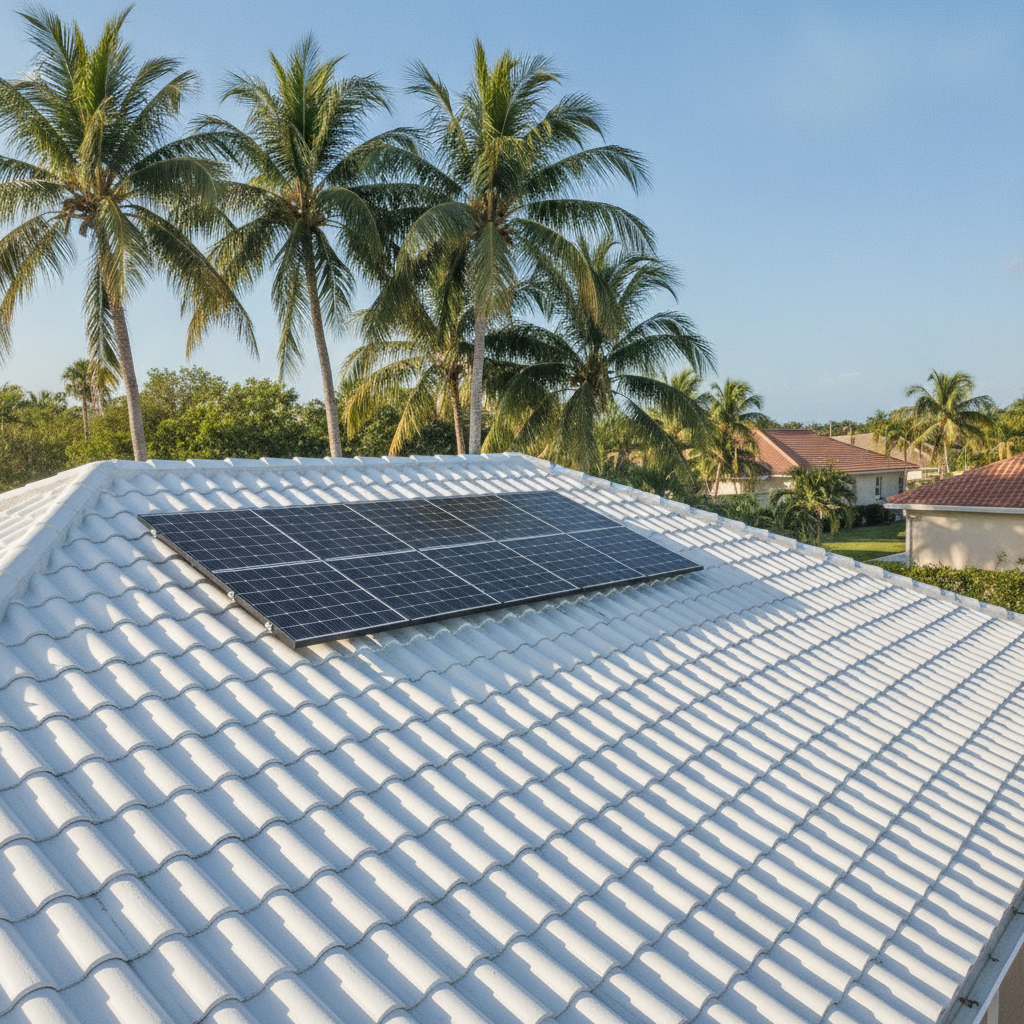
Concrete tile roofs are another excellent option, known for their classic aesthetic and extreme durability. These tiles are heavy, individually fastened, and highly resistant to wind and impact, often rated for winds over 150 mph and offering superior protection against hail and flying debris. Their interlocking design helps shed water efficiently. Properly installed, concrete tile roofs can last 50 years or more, easily outperforming national averages for other materials due to their inherent resilience. However, they can crack from very heavy impacts or improper foot traffic, and their weight requires a stronger roof structure.
The choice of material, combined with meticulous installation to meet or exceed the Florida Building Code, is what ultimately determines your roof’s ability to protect your home when a hurricane threatens Vero Beach. Understanding these differences allows homeowners to make informed decisions about their roof’s long-term resilience.
What Vero Beach Homeowners Should Do to Protect Their Roof
Being proactive is the best defense for your roof against hurricane damage. As local roofers, we’ve seen firsthand the difference proper preparation and timely action can make. Here are critical steps every Vero Beach homeowner should take:
-
Schedule a Pre-Hurricane Season Roof Inspection
WHY: Identifying and addressing minor issues before a storm hits can prevent catastrophic damage. A loose shingle or a tiny crack in a tile can become a major entry point for wind and water during a hurricane.
HOW: Contact Florida Roof Bros for a professional inspection, ideally every spring before hurricane season starts. We’ll check for loose or missing shingles/tiles, compromised flashing, clogged gutters, and any signs of wear that could be exacerbated by high winds. We’ll also inspect for common Florida issues like algae growth and moss which can degrade materials over time. -
Understand Your Roof’s Wind Rating and Condition
WHY: Knowing your roof’s specifications helps you assess its resilience. Newer roofs built to current Florida Building Code standards will generally perform better. An older roof might need more attention.
HOW: If your roof was installed or replaced in the last 15-20 years, check your permit documents for details on wind ratings and materials. If unsure, our inspection can determine the type and condition of your roof, giving you an honest assessment of its hurricane readiness. -
Clear Gutters and Trim Overhanging Branches
WHY: Clogged gutters prevent proper water drainage, leading to water pooling and potential fascia or soffit damage, weakening your roof’s edge. Overhanging branches are major sources of flying debris and direct impact damage.
HOW: Regularly clean your gutters, especially before a storm. Trim any tree branches that are close enough to fall on your roof or scrape against it in high winds. This simple step can significantly reduce the risk of punctures and structural damage. -
Document Your Roof’s Condition Annually
WHY: In the event of damage, clear “before” documentation is invaluable for insurance claims. It helps prove the condition of your roof prior to the storm.
HOW: Take clear, well-lit photos and videos of your entire roof from various angles (safely from the ground, or with a drone if you have one) at least once a year. Pay attention to any existing wear, and store these files securely, perhaps in cloud storage, so they aren’t lost if your home is damaged. -
Secure Temporary Repairs Immediately After a Storm
WHY: Even minor damage can quickly escalate into major interior water damage if left exposed. Temporary repairs are crucial to prevent further loss while you await permanent repairs.
HOW: If you notice obvious damage like missing shingles or a visible hole after a hurricane, safely apply a tarp or plastic sheeting over the affected area, securing it tightly. We recommend calling a professional immediately for this, as roof work after a storm can be hazardous. Document the temporary repair with photos for your insurance claim. -
Understand Your Florida Homeowner’s Insurance Policy and Timelines
WHY: Florida’s insurance market is complex, and knowing your policy’s specifics, deductibles, and reporting timelines is critical for a successful claim. Delays can result in denied claims.
HOW: Review your policy annually. Understand your hurricane deductible, which is often a percentage of your home’s insured value, not a flat dollar amount. Be aware of the statute of limitations for filing claims, typically two years from the date of loss for hurricane damage in Florida. Contact your insurer as soon as possible after damage occurs. -
Choose a Licensed and Local Vero Beach Roofing Contractor
WHY: After a storm, out-of-state “storm chasers” often appear, offering quick fixes. A local, licensed contractor understands Florida Building Codes, works with local suppliers, and will be around to stand by their warranty.
HOW: Verify any contractor’s license with the Florida Department of Business and Professional Regulation (DBPR). Check their insurance. Ask for local references and read online reviews. Florida Roof Bros is a Vero Beach-based, licensed, and insured contractor with a proven track record of quality workmanship and customer satisfaction.
Frequently Asked Questions
What are the first steps I should take after my Vero Beach home’s roof sustains hurricane damage?
Immediately after a hurricane, ensure your family’s safety and prevent further interior damage by taking temporary measures like tarping any exposed areas. Document all visible damage with clear photos and videos from multiple angles before making any permanent repairs. Contact Florida Roof Bros for a professional assessment of the damage and your insurance company to initiate a claim promptly, as timely reporting is often crucial.
Will my homeowners insurance cover hurricane roof damage in Florida?
Most standard homeowners insurance policies in Florida do cover hurricane damage, but specific deductibles, especially hurricane deductibles, will apply, which can be a percentage of your home’s insured value. It’s crucial to review your policy details thoroughly and work closely with both your insurer and a reputable roofing contractor. Florida Roof Bros can assist you with the claims process, providing detailed estimates, necessary documentation, and expert guidance to help ensure a smooth experience.
How long does a typical roof replacement take in Vero Beach after hurricane season?
The duration of a roof replacement in Vero Beach can vary significantly based on the roof’s size, complexity, the specific materials chosen, and the extent of the damage. Generally, a residential roof replacement might take anywhere from a few days for smaller, simpler roofs to a couple of weeks for larger or more complex projects, depending on weather conditions and crew availability. Florida Roof Bros prioritizes efficient and timely project completion, striving to minimize disruption to your home and restore your peace of mind quickly.
What are the benefits of choosing a metal roof for hurricane resistance in Florida?
Metal roofs are highly praised for their exceptional durability and resistance to extreme weather, making them an excellent choice for hurricane-prone areas like Vero Beach. They can withstand incredibly high winds, resist impact from flying debris, and offer a significantly longer lifespan compared to traditional asphalt shingles, often lasting 40-70 years. Additionally, metal roofs are energy-efficient, reflecting solar heat, and can potentially lower your insurance premiums due to their superior protective qualities.
Is it necessary to get a professional roof inspection even if the damage looks minor after a hurricane?
Absolutely. Even seemingly minor damage, such as a few loose shingles or small dents, can hide underlying structural issues or compromised integrity that could lead to significant problems later, including leaks and further deterioration. A professional inspection by Florida Roof Bros will meticulously assess every aspect of your roof, identifying hidden concerns, potential vulnerabilities, and providing a comprehensive report on its condition. This proactive step ensures your roof’s long-term health, prevents costly future repairs, and provides crucial documentation for insurance claims.
Roofing Services Across Central Florida
Florida Roof Bros serves homeowners throughout Brevard County, Pinellas County, and surrounding Central Florida communities. If you need a roof inspection, repair, or replacement in any of these areas, our team is ready to help:
- Palm Bay, FL Roofing
- Melbourne, FL Roofing
- West Melbourne, FL Roofing
- Rockledge, FL Roofing
- Sebastian, FL Roofing
Protecting Your Home: Your Trusted Vero Beach Roofing Partner
Living in Vero Beach means understanding the reality of hurricane season and its potential impact on your home, especially your roof. This guide has highlighted the critical steps from proactive preparation to effective damage assessment and repair. Ultimately, prompt and professional attention to any hurricane-related roof damage is not just about fixing shingles; it’s about safeguarding your entire home, protecting your investment, and ensuring your family’s safety and peace of mind for years to come.
The aftermath of a hurricane can be overwhelming, but you don’t have to navigate the complexities of roof damage and insurance claims alone. Choosing a local, experienced, and trustworthy roofing contractor like Florida Roof Bros is essential. We bring unparalleled expertise to every project, ensuring that your roof is not only repaired but strengthened to withstand future storms, using the highest quality materials and proven techniques.
Don’t wait for a small issue to become a major headache, or for the next storm to expose vulnerabilities. If your Vero Beach home has weathered a recent storm, or if you simply want to ensure your roof is robustly prepared for what lies ahead, now is the time to act. Florida Roof Bros offers 100% free, no-obligation roof inspections, providing you with a clear, honest assessment of your roof’s condition and any necessary steps. Our dedicated team is here to guide you through every stage, from initial assessment to expert repair or replacement, and even assist with the often-daunting insurance claims process.
Protect your investment and ensure your home remains a safe haven. For reliable, honest, and high-quality roofing services in Vero Beach that you can depend on, reach out to Florida Roof Bros today. Call us directly at (321) 446-1702 to schedule your complimentary inspection and take the first step towards a more secure home. When it comes to your roof’s integrity and your family’s safety, you want the best. Trust the Pros, Call the Bros , we’re ready to serve you with excellence.
Need a free roof inspection? Call Florida Roof Bros at (321) 446-1702 or request a free inspection online. Family-owned, no subcontractors, Owens Corning Platinum Preferred. Trust the Pros, Call the Bros.
