

General Roofing
Roofing
Storm Damage
West Melbourne, FL: Key Water Intrusion Signs to Look for After Hurricane Season Storms
The immediate aftermath of a storm in West Melbourne, FL, often brings a collective sigh of relief. The wind has died down, the rain has stopped, and the sun might even be peeking through the clouds. However, for many homeowners across Brevard County, the real worry begins not with the storm’s fury, but with the subtle, insidious threat of water intrusion that can appear days or even weeks later.
This silent enemy can wreak havoc on your home’s structure, interior, and even your family’s health if left unaddressed. Understanding the key water intrusion signs West Melbourne FL residents need to look for is crucial, especially as Florida navigates its active hurricane season. This post will equip you with the knowledge to identify these critical warning signals, from the obvious to the easily missed, helping you protect your most valuable asset.
Ignoring even minor signs of water damage can lead to significantly larger problems, including extensive structural decay, compromised insulation, and hazardous mold growth. The unique combination of Florida’s intense rainfall, high humidity, and the sheer power of tropical storms creates an environment where water finds every potential weakness. Proactive detection is your best defense against escalating repair costs and long-term property damage.
As a family-owned company deeply rooted in Brevard County, Florida Roof Bros understands these challenges firsthand. With over 25 years of combined experience and a commitment to using our own in-house, certified crews, not subcontractors, we pride ourselves on being the trusted local experts. When you need peace of mind and professional guidance, remember our tagline: Trust the Pros, Call the Bros at (321) 446-1702.
The reality of storm damage is a constant concern for Floridians. Recent news highlights the widespread impact, from homes suffering significant roof damage (Source: news.fiu.edu) to public infrastructure like piers being damaged by storm surge (Source: pinellas.gov). These reports underscore why every West Melbourne homeowner must remain vigilant and informed about potential post-storm issues, even when the immediate danger has passed.
This guide will walk you through the common and subtle indicators of water intrusion, showing you precisely where to check in your home , from the attic to less obvious corners. We will emphasize the urgency of addressing these issues to prevent serious structural damage and mold. By understanding both immediate storm effects and delayed signs, you will be better prepared to safeguard your home and know when it’s time for a professional post-storm roof inspection by local experts like Florida Roof Bros.
Understanding Florida’s Unique Vulnerability to Water Intrusion
Florida’s climate, particularly in areas like West Melbourne, presents a distinctive set of challenges for homeowners when it comes to protecting against water intrusion. The combination of torrential downpours, high humidity, and the sheer force of hurricane-season winds means that roofs and building envelopes are constantly under immense stress. This isn’t just about a hole in the roof; it’s about how water behaves in this specific environment, finding its way through tiny gaps and unseen vulnerabilities.
Water intrusion often isn’t a dramatic gush, but a slow, persistent seep. Wind-driven rain, a common occurrence during Florida storms, can force water horizontally into areas that would typically remain dry, such as under shingles or through seemingly minor flashing imperfections. Over time, even small amounts of moisture can saturate building materials, leading to internal damage long before it becomes visible on your ceiling or walls.
While Florida boasts some of the most stringent building codes designed to withstand hurricane conditions, no system is entirely impervious. Roofing materials, even those installed by an Owens Corning Platinum Preferred Contractor like Florida Roof Bros, can be compromised by debris, intense uplift pressures, or prolonged exposure to severe weather. Understanding how your specific roof type, whether asphalt shingles or metal, might react to storm forces is a crucial aspect of post-storm assessment.
The urgency of addressing water intrusion cannot be overstated. Mold can begin to grow within 24 to 48 hours of moisture exposure, posing health risks and requiring costly remediation. Structural elements, like wooden trusses and sheathing, can weaken and rot, compromising the integrity of your entire home. Delayed action means exponentially higher repair costs and a more complex, invasive restoration process down the line.
This is where the expertise of a professional, licensed, insured, certified, and bonded roofing company like Florida Roof Bros (FL license CCC1332911) becomes invaluable. Our in-house crews utilize specialized tools, such as moisture meters and thermal imaging, to detect hidden water pockets and assess the full extent of damage that a homeowner might miss. We look beyond the obvious, ensuring a thorough evaluation that protects your investment.
Many homeowners in West Melbourne focus on immediate, visible storm damage, but it’s the delayed signs of water intrusion that often cause the most insidious problems. A roof might appear intact, yet water could be slowly seeping in, traveling along rafters, and collecting in unseen cavities. Recognizing that water damage can manifest days or even weeks after a storm passes is critical for proactive home protection.
Detailed Explanation: Unmasking Hidden Water Intrusion in Your West Melbourne Home
After a powerful storm rolls through West Melbourne, the immediate aftermath often reveals obvious damage like missing shingles or downed trees. However, the most insidious threats to your home’s integrity frequently remain hidden, slowly manifesting as water intrusion. This isn’t just about a leaky ceiling; it’s about the silent erosion of your home’s structural health, often leading to costly repairs and unhealthy living conditions if not addressed promptly. Our unique Florida climate, characterized by intense humidity and sudden, heavy downpours, exacerbates these issues, making vigilant post-storm inspection a critical part of homeownership.
Common and Subtle Signs: What to Look For
Identifying water intrusion requires a keen eye and a bit of detective work. The most common signs are often visible on your interior ceilings and walls. Look for water stains, which might appear as discolored patches that are yellow, brown, or even greenish. These stains often indicate water has seeped through your roof decking and attic insulation. Drips or active leaks, while obvious, are usually a sign of significant roof damage that needs immediate attention. However, don’t overlook less obvious indicators. Peeling or bubbling paint on walls or ceilings, especially near windows, vents, or in corners, can signal moisture trapped beneath the surface. Similarly, warped baseboards or flooring, particularly in upper-story rooms, can point to water migrating downwards through wall cavities.
Beyond visual cues, your nose can be a powerful tool. A musty, earthy odor, even without visible signs of water, is a strong indicator of mold or mildew growth. This smell is particularly prevalent in enclosed spaces like attics, closets, or basements, where moisture can accumulate and remain undisturbed. In West Melbourne’s humid environment, mold can proliferate rapidly, sometimes within 24-48 hours of water exposure, making that musty smell a critical warning sign. While modern roofing materials like architectural shingles, common in Florida, are designed to meet stringent wind ratings, often up to 130 mph, even minor damage can compromise their water-shedding capabilities, leading to slow, persistent leaks that manifest as these subtle odors.
Where to Check: Beyond the Obvious
Your attic is ground zero for post-storm water intrusion checks. Grab a flashlight and carefully inspect the underside of your roof deck for any wet spots, stains, or areas where insulation appears damp or compressed. Pay close attention to penetration points like vent pipes, chimneys, skylights, and attic fans, as these are common areas where flashing can be compromised. Walls, both interior and exterior, also warrant close inspection. Look for streaks or discoloration on exterior siding, particularly below windows or roof lines, which could indicate gutter issues or damaged flashing. Even less obvious areas, like electrical outlets or light fixtures on exterior walls, can show signs of moisture if water is traveling through the wall cavity.
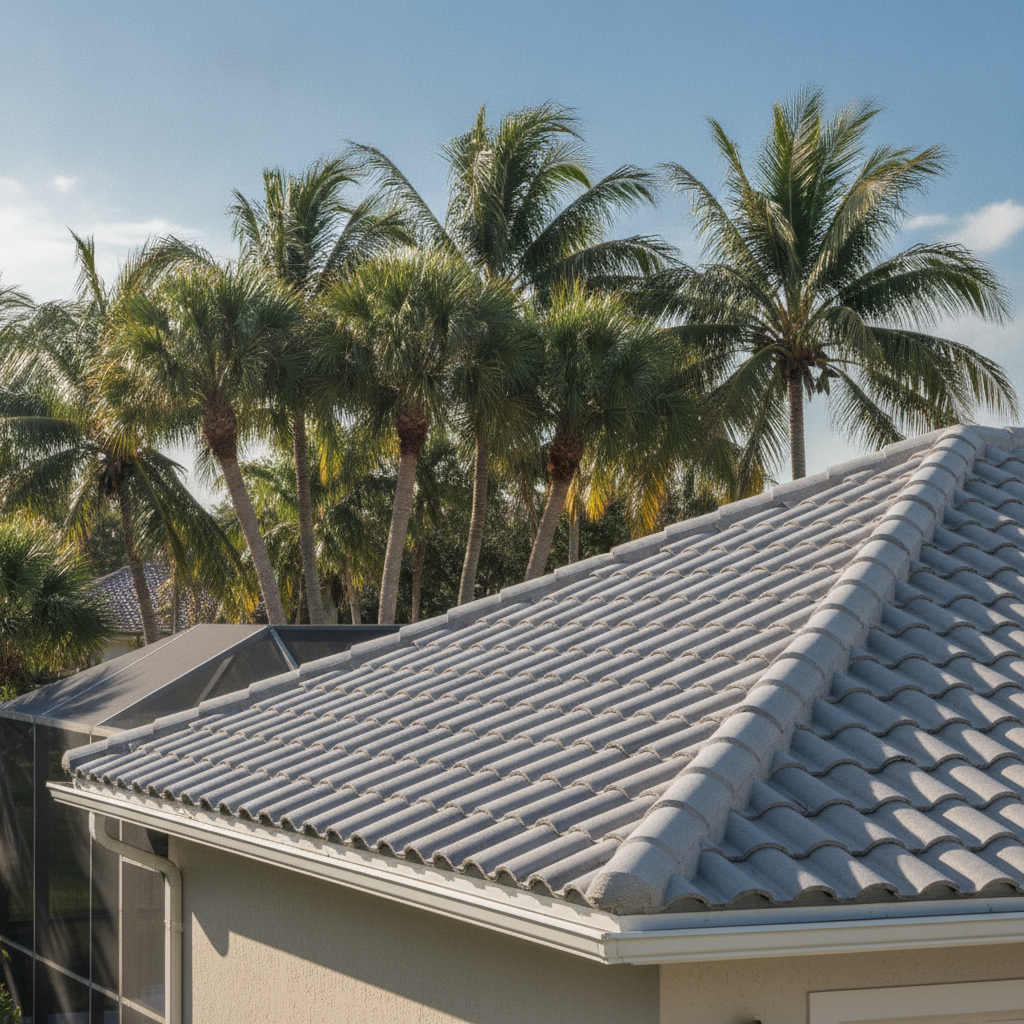
Understanding the materials common in Florida homes helps you anticipate specific vulnerabilities. Architectural shingles, while durable, can lift or lose granules, making them susceptible. Concrete tile roofs, popular for their longevity (often 50+ years compared to national averages of 30-40 years for shingles), are heavy and durable but can crack under impact, allowing water to penetrate. Standing seam metal roofs offer superior wind resistance and lifespan (40-70 years in Florida vs. 30-50 nationally), but even they can have issues with sealant around fasteners or panel seams if improperly installed or damaged by debris. The Florida Building Code (FBC) sets high standards for roofing, especially concerning wind uplift resistance, but no roof is entirely impervious to the sustained forces of a Category 1 or stronger hurricane.
The Urgency of Action: Preventing Further Damage and Mold
The moment you suspect water intrusion, time becomes your enemy. Delaying action allows moisture to saturate building materials, leading to wood rot, compromised structural integrity, and the rapid spread of mold. Rotting wood can weaken your roof decking, rafters, and wall studs, potentially leading to catastrophic failures during future storms. Furthermore, mold growth not only causes unpleasant odors and stains but can also pose significant health risks, especially for individuals with allergies or respiratory conditions. In Florida’s high-humidity environment, mold can colonize surfaces quickly, turning a minor leak into a major remediation project within days or weeks, significantly increasing repair costs.
Immediate vs. Delayed Signs: The Stealthy Threat
It’s crucial to distinguish between immediate storm damage and the more insidious, delayed signs of water intrusion. A missing section of shingles is immediate and obvious. However, water can travel along the roof deck, seep through tiny cracks in underlayment, or bypass compromised flashing, only to appear as a stain on your ceiling days or even weeks after the storm has passed. This delayed manifestation often occurs when water slowly saturates insulation or moves laterally within wall cavities before finally becoming visible. A roof that appears intact from the ground might have hidden damage to its underlayment or flashing system, components that are critical for waterproofing but are concealed beneath the primary roofing material. This is particularly true for roofs that have sustained hail damage or wind uplift that didn’t immediately tear off materials.
This is precisely why a professional post-storm roof inspection by local experts like Florida Roof Bros is not just recommended, but essential. Our team understands the specific challenges posed by West Melbourne’s climate and the nuances of the Florida Building Code. We know where to look for both obvious and hidden damage, from compromised flashing around skylights to subtle granule loss on architectural shingles that can lead to future leaks. A thorough inspection goes beyond what you can see from the ground, often involving an attic check and a close-up examination of your roof’s surface to identify vulnerabilities before they turn into major water intrusion issues, saving you significant time, money, and stress down the line.
What West Melbourne Homeowners Should Do After a Storm
-
Prioritize Safety and Conduct a Ground-Level Visual Inspection
WHY: Your safety is paramount. After a storm, downed power lines, sharp debris, and unstable structures pose immediate risks. A preliminary ground-level inspection allows you to assess obvious damage without putting yourself in harm’s way. This initial check helps you understand the immediate scope of the situation.
HOW: Once it’s safe to go outside, walk around your property. Look for any visible signs of roof damage from the ground using binoculars if necessary. This includes missing or curled shingles, damaged flashing around chimneys or vents, sagging rooflines, or debris on the roof. Also, check your gutters for blockages or detachment, as overflowing gutters can direct water directly against your home’s foundation or siding. Never climb onto a wet or damaged roof yourself.
-
Inspect Your Attic and Interior for Early Signs of Water Intrusion
WHY: Water intrusion often manifests in your home’s interior before it becomes visible from the outside. The attic is a common entry point for leaks, and early detection here can prevent widespread damage to ceilings and walls. Florida’s humidity accelerates mold growth, making quick action crucial.
HOW: Carefully access your attic with a strong flashlight. Look for any wet spots, water stains, or discoloration on the underside of your roof deck, rafters, or insulation. Pay close attention to areas around vent pipes, chimneys, and skylights. Inside your living spaces, check ceilings, walls, and around windows for water stains, peeling paint, or musty odors. Lightly press on suspicious areas to feel for softness or dampness.
-
Document All Damage Thoroughly for Insurance Claims
WHY: Comprehensive documentation is critical for a smooth and successful insurance claim. Without clear evidence, your claim might be delayed, reduced, or even denied. Florida insurance policies often have specific timelines for reporting storm damage, so acting quickly is essential.
HOW: Use your smartphone or a digital camera to take clear, dated photos and videos of all damage, both interior and exterior. Capture wide shots to show the overall context and close-ups of specific damaged areas. Include photos of any debris that has impacted your roof or property. Document the date and time you observed the damage. Keep a detailed log of all communication with your insurance company.
-
Implement Safe, Temporary Repairs to Prevent Further Damage
WHY: Even a small, active leak can cause significant and escalating damage to your home’s interior, insulation, and structure. Temporary measures can prevent further water intrusion while you await professional repairs, potentially saving you thousands in remediation costs.
HOW: If it’s safe to do so from the ground or a stable ladder, consider placing tarps or plastic sheeting over actively leaking areas of your roof. Secure them with bricks or heavy objects, ensuring they extend well beyond the damaged spot. Inside, place buckets or containers under active drips to protect your flooring and furniture. Never attempt to walk on a damaged or wet roof yourself; leave that to professionals.
-
Contact Florida Roof Bros for a Professional Post-Storm Roof Inspection
WHY: A professional inspection by local experts ensures that all damage, visible and hidden, is identified and properly assessed. Florida Roof Bros understands the specific requirements of the Florida Building Code, local weather patterns, and the nuances of various roofing materials common in West Melbourne, like concrete tile, architectural shingles, and standing seam metal. We can spot issues that a homeowner might miss, providing accurate estimates and guidance for repairs or replacement.
HOW: As soon as you suspect damage or after your initial safety checks, call Florida Roof Bros. We will schedule a comprehensive inspection, often involving drone technology for hard-to-reach areas, and provide you with a detailed report. This report is invaluable for your insurance claim and for understanding the necessary repairs to restore your roof to its optimal condition, meeting or exceeding local codes.
-
Review Your Homeowner’s Insurance Policy
WHY: Understanding your specific coverage, deductibles, and the claims process before contacting your insurer empowers you to navigate the situation effectively. Florida policies can vary significantly in their coverage for wind, hail, and water damage, including any hurricane deductibles.
HOW: Locate your homeowner’s insurance policy documents. Pay close attention to sections detailing storm damage coverage, your deductible amounts (especially any specific hurricane deductibles), and the procedures for filing a claim. Note any deadlines for reporting damage. This knowledge will help you communicate clearly and effectively with your insurance adjuster.
-
Address Water Intrusion Immediately with Professional Help
WHY: Rapid response to water intrusion is paramount in Florida. The longer water sits, the greater the risk of extensive structural damage, wood rot, and pervasive mold growth, which can lead to costly and time-consuming remediation. Our humid climate accelerates these processes.
HOW: If your professional inspection from Florida Roof Bros confirms water intrusion, act immediately to begin the repair process. This might involve emergency tarping, water extraction, and drying services, followed by comprehensive roof repairs or replacement. Florida Roof Bros can guide you through these crucial steps, coordinating with other professionals if necessary, to mitigate damage and restore your home as quickly and efficiently as possible.
Frequently Asked Questions
What are the most common signs of water intrusion after a hurricane in West Melbourne?
After a hurricane, homeowners in West Melbourne should diligently look for water stains or discoloration on ceilings and walls, especially in upper levels. Other key indicators include peeling paint, musty or mildewy odors, and any noticeable sagging or bubbling of drywall. It is also wise to inspect your attic for visible leaks, wet insulation, or early signs of mold growth, as these are strong indicators of roof damage that might not be immediately apparent from inside your living spaces.
How quickly should I schedule a roof inspection after a significant storm in West Melbourne?
It is absolutely crucial to schedule a professional roof inspection as soon as safely possible after a major storm hits West Melbourne, ideally within a few days of the event. Prompt action is vital because it helps prevent minor damage from escalating into much larger, more expensive issues, facilitates a quicker and smoother insurance claim process, and ensures your home remains protected from further environmental exposure. Delaying an inspection can sometimes even compromise your insurance claim.
Will my homeowner’s insurance policy cover roof damage from hurricane-force winds in Florida?
Most homeowner’s insurance policies in Florida are designed to cover roof damage caused by sudden and accidental events, which typically includes damage from hurricane-force winds. However, it is important to note that coverage specifics, deductibles (which can be higher for hurricane damage), and the precise claim process can vary significantly between policies and providers. We strongly advise reviewing your specific policy documents or contacting your insurance agent directly to understand your coverage limitations and requirements before filing a claim.
What steps can I take to temporarily stop a roof leak in West Melbourne until professional repairs can be made?
For immediate, temporary fixes to a roof leak in West Melbourne, you can try carefully placing a heavy-duty tarp over the damaged area of your roof, ensuring it is securely fastened down with ropes or weights to prevent further water entry. Inside your home, use buckets, pans, and towels to contain any drips and protect your interior furnishings and flooring from water damage. Remember, these are only temporary solutions; professional repair should be sought without delay to ensure long-term integrity.
What is the typical lifespan of an asphalt shingle roof in West Melbourne, considering Florida’s climate?
In West Melbourne’s challenging Florida climate, characterized by intense sun, high humidity, and frequent severe storms, an asphalt shingle roof typically lasts between 15 to 25 years. The actual lifespan can vary significantly based on the quality of the shingles, the installation workmanship, and the consistency of maintenance it receives. Regular inspections and prompt repairs are paramount to maximize its longevity and withstand the unique environmental stresses of the region.
How can I differentiate between cosmetic roof damage and structural damage after a storm?
Differentiating between cosmetic and structural roof damage often requires a professional eye, as what appears minor can sometimes indicate underlying issues. Cosmetic damage might include missing granules or small dents, while structural damage involves compromised decking, broken trusses, or significant displacement of shingles that expose the underlayment. A qualified roofing inspector from Florida Roof Bros can accurately assess the extent of damage and determine if structural integrity has been compromised, providing you with a clear path forward for repairs.
Roofing Services Across Central Florida
Florida Roof Bros serves homeowners throughout Brevard County, Pinellas County, and surrounding Central Florida communities. If you need a roof inspection, repair, or replacement in any of these areas, our team is ready to help:
- Palm Bay, FL Roofing
- Melbourne, FL Roofing
- Rockledge, FL Roofing
- Vero Beach, FL Roofing
- Sebastian, FL Roofing
Your Roof’s Health is Our Priority
Understanding the common signs of water intrusion after hurricane season storms is paramount for West Melbourne homeowners. From subtle water stains on ceilings and walls to the tell-tale musty odors, and even the less obvious attic leaks, recognizing these indicators early can be the difference between a minor repair and a major, costly renovation. Proactive vigilance and a clear understanding of what to look for are your essential first lines of defense in protecting your home and investment against the relentless Florida weather and its severe storm impacts.
The aftermath of a storm can be overwhelming, but addressing potential roof damage doesn’t have to be. If you’ve noticed any of the signs discussed in this post, or simply desire peace of mind after a recent storm has passed through West Melbourne, Florida Roof Bros is readily available to assist. Our team of experienced and certified professionals specializes in identifying and addressing all types of storm-related roof damage, from hidden leaks to compromised structural elements, ensuring your home remains safe, dry, and secure for years to come.
Don’t delay in protecting your West Melbourne home; taking the proactive step of a professional inspection is crucial. Florida Roof Bros offers 100% free, no-obligation roof inspections, providing you with an expert, thorough assessment of your roof’s condition and clear, honest recommendations without any upfront cost or pressure. Our skilled technicians will meticulously evaluate your roof, pinpoint any potential water intrusion points, and discuss the most effective and efficient course of action with you, tailored to your specific needs and budget.
We are deeply committed to delivering reliable, high-quality roofing solutions and unparalleled customer service to our West Melbourne community. For a free inspection and to discuss your roofing needs with a team you can trust, please don’t hesitate to call Florida Roof Bros today at (321) 446-1702. When it comes to securing your roof and ensuring your peace of mind, remember the name. Trust the Pros, Call the Bros , we are ready to help you protect your most valuable asset.
Need a free roof inspection? Call Florida Roof Bros at (321) 446-1702 or request a free inspection online. Family-owned, no subcontractors, Owens Corning Platinum Preferred. Trust the Pros, Call the Bros.
