

General Roofing
Roofing
Storm Damage
West Melbourne Roofing: Water Intrusion Signs
The afternoon sky over West Melbourne darkens, a familiar sight that often brings with it the rumble of thunder and the promise of a torrential downpour. While most Floridians are accustomed to these daily weather patterns, it’s the aftermath of more severe weather, like a tropical storm or even a strong summer squall, that can leave a silent, insidious threat: water intrusion. You might not see it immediately, but even a small breach in your roof can lead to significant, costly damage over time, compromising your home’s integrity and your family’s comfort.
Understanding the subtle signals that indicate water has found its way into your home is crucial for any homeowner in Brevard County. This post will help you identify the common signs of water intrusion in your West Melbourne home, understand why these issues are particularly prevalent in our unique Florida climate, and equip you with the knowledge to act swiftly. Early detection can mean the difference between a minor repair and a major structural overhaul, saving you stress and significant expense down the line.
Given Florida’s susceptibility to intense weather events, from daily thunderstorms to hurricanes, even seemingly minor roof damage can quickly escalate. For example, recent analyses highlight how homeowners are installing protective measures like steel storm shutters, yet roof damage with missing shingles remains a significant issue after events like Hurricane Ian (Source: brookings.edu). This underscores the constant battle roofs face against the elements, and why regular vigilance for water intrusion signs is so vital for maintaining your home’s resilience.
When you suspect water intrusion, time is of the essence. You need a trusted partner who understands the specific challenges of Florida roofing and has the expertise to diagnose and repair issues correctly the first time. Florida Roof Bros, a family-owned company with over 25 years of combined experience, has been serving homeowners in Brevard, Pinellas, and Central Florida with in-house crews, never subcontractors. Our dedication to quality and customer satisfaction is reflected in our A+ rating by the BBB and over 300 five-star Google reviews. For immediate assistance or a thorough inspection, don’t hesitate to call us at (321) 446-1702.
Our commitment to excellence extends to our certifications, being an Owens Corning Platinum Preferred Contractor, which means we meet rigorous standards for professionalism and reliability. We are fully licensed, insured, certified, and bonded (FL license CCC1332911), ensuring peace of mind for every project we undertake. Recognizing the early indicators of a compromised roof can prevent small leaks from becoming catastrophic problems, safeguarding your investment and providing a secure haven for your family.
The information provided here is designed to empower you with the knowledge to protect your property. While we will discuss various indicators, remember that a professional inspection is always the most definitive way to assess the extent of any damage. Trust the Pros, Call the Bros when you need expert eyes on your roof, especially after a significant weather event that might have compromised its integrity.
Understanding Water Intrusion in Florida’s Climate
Florida’s climate presents a unique set of challenges for roofing systems, making homes in West Melbourne particularly susceptible to water intrusion. The combination of intense solar radiation, high humidity, and frequent severe weather events, including heavy rain, strong winds, and tropical storms, creates an environment where even the smallest vulnerability in a roof can be exploited. Unlike drier climates, moisture in Florida tends to linger, exacerbating any water damage and encouraging the growth of mold and mildew, which can pose significant health risks and further compromise structural components.
Building codes in Florida are designed to address these specific environmental factors, requiring robust roofing materials and installation practices. For instance, roofs must meet stringent wind uplift resistance standards, and underlayment systems are critical for providing a secondary barrier against water penetration, especially during hurricane-force winds that can strip away shingles. However, even with these precautions, the sheer force of Florida’s storms can test the limits of any roofing system, as evidenced by reports of roof damage from events like tornadoes (Source: weather.gov).
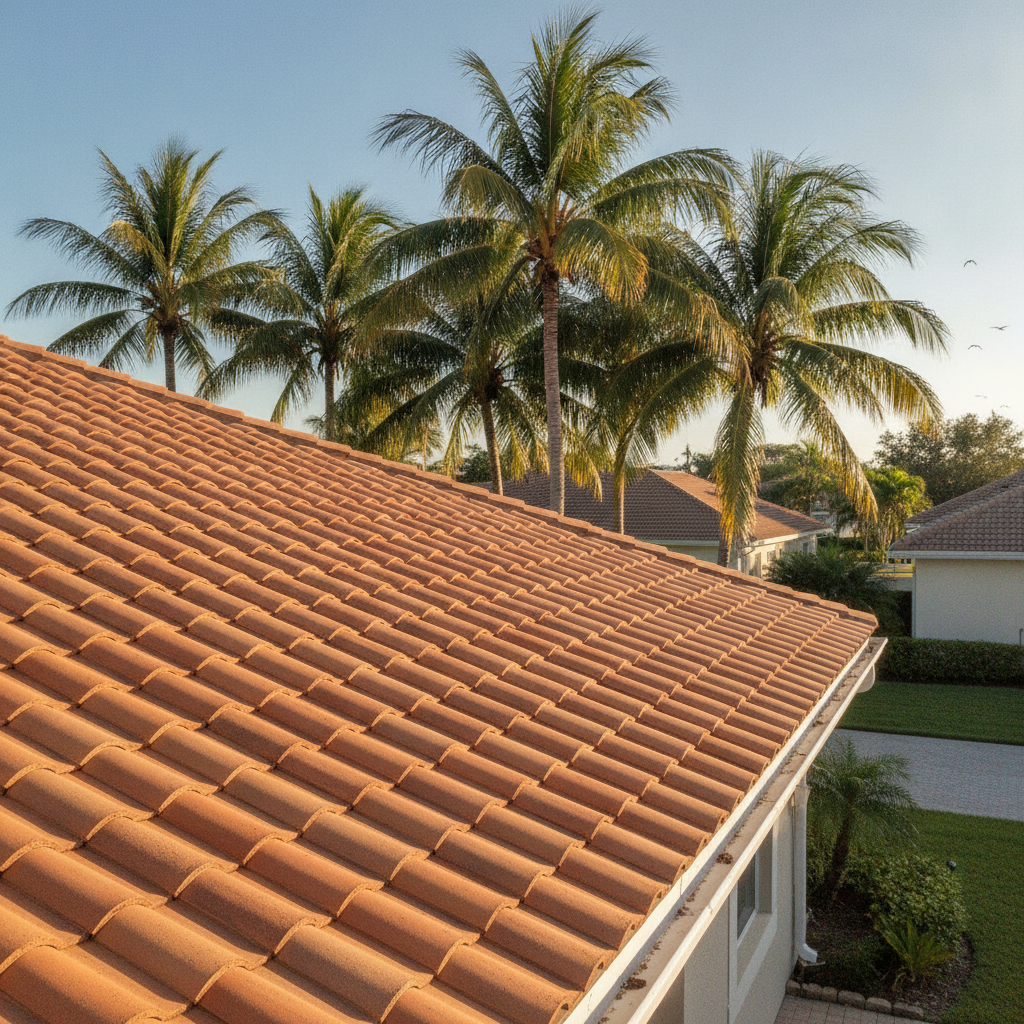
The type of roofing material also plays a significant role in its resistance to water intrusion. While asphalt shingles are common, their effectiveness against persistent Florida moisture depends heavily on proper installation and maintenance. Tile roofs, known for their durability and aesthetic appeal, can also experience leaks if tiles are cracked or if the underlayment beneath them fails. Metal roofs offer excellent longevity and wind resistance, but fasteners and seams must be meticulously sealed to prevent water ingress over time.
Understanding how water behaves on a roof is essential. It typically flows downward, following the path of least resistance. Therefore, signs of water intrusion inside your home, such as stains on ceilings or walls, often appear horizontally or vertically away from the actual breach point on the roof. This makes pinpointing the exact source of a leak challenging without a professional inspection. The constant expansion and contraction of roofing materials due to extreme temperature fluctuations also contribute to wear and tear, creating tiny cracks and openings over years of exposure.
Beyond the immediate storm damage, the cumulative effect of Florida’s weather can degrade roofing components over their lifespan. UV radiation breaks down shingle granules, strong winds can loosen flashing around chimneys and vents, and persistent humidity can lead to the deterioration of sealants. These gradual processes create hidden pathways for water, making regular roof inspections, ideally every 1-3 years or immediately after a significant storm, an indispensable part of home maintenance in West Melbourne.
Ignoring even minor signs of water intrusion can lead to extensive and costly repairs. Water can rot wooden decking and trusses, compromise insulation, damage drywall, and create an ideal environment for mold growth, which can spread rapidly through your home’s ventilation system. Addressing these issues promptly is not just about protecting your roof; it’s about preserving the entire structure of your home and ensuring a healthy living environment for your family.
Understanding Water Intrusion: A West Melbourne Perspective
Water intrusion into your home’s structure is more than just an annoying drip; it’s a silent, destructive force that can compromise your property’s integrity, foster hazardous mold growth, and significantly diminish your home’s value. In West Melbourne, FL, where tropical storms and hurricanes are a regular concern, understanding the signs and sources of water intrusion is paramount for any homeowner. Our dynamic weather patterns mean that what might be a minor leak elsewhere can quickly escalate into a catastrophic failure here, impacting everything from your attic insulation to your foundation.
The roof is your primary defense against the elements, and water intrusion typically begins when this defense is breached. Common entry points include compromised flashing around chimneys, vents, and skylights; damaged, cracked, or missing shingles or tiles; and deteriorated underlayment. Even clogged gutters can lead to water backing up and seeping into fascia, soffit, and wall cavities. Early detection is key: look for subtle water stains on ceilings and walls, peeling paint, bubbling plaster, or a persistent musty odor. Visible mold spots, especially in attics or less-frequented areas, are also glaring red flags that demand immediate attention.
Florida-Specific Considerations: Building Codes and Wind Resistance
Florida’s unique climate and exposure to severe weather dictate some of the most stringent building codes in the nation. The Florida Building Code (FBC) is meticulously designed to enhance the resilience of homes against high winds and heavy rainfall, directly addressing the risks of water intrusion. Roof systems in West Melbourne must meet specific wind uplift requirements, often rated for speeds exceeding 130 mph, to withstand the force of hurricanes. A Category 1 hurricane, for instance, can bring sustained winds of 74-95 mph, while a Category 3 can reach 111-129 mph, each capable of tearing apart inadequately installed or compromised roofing materials. Wind-driven rain, common during these events, forces water into the smallest gaps, making a robust roofing system and a properly installed secondary water barrier (SWB) absolutely critical for preventing widespread damage.
The materials chosen for your West Melbourne roofing project also play a significant role in long-term performance against water intrusion. Architectural shingles are a popular choice, offering good wind resistance (many rated up to 130 mph) and an aesthetic appeal. However, Florida’s intense heat, high humidity, and UV exposure can shorten their typical national lifespan of 25-30 years to a more realistic 18-22 years here. Standing seam metal roofs, while a higher upfront investment, excel in Florida’s environment, boasting exceptional wind resistance (often 150+ mph), superior durability, and a lifespan of 40-60 years. Concrete tiles are another excellent option, offering incredible longevity (50+ years) and high wind ratings, though their weight requires specific structural considerations during installation.
Beyond the Surface: Underlayment, Ventilation, and Drainage
Beneath the visible roofing material, the underlayment serves as a critical secondary water barrier. In Florida, synthetic underlayments are often preferred over traditional felt due to their superior resistance to moisture, UV degradation, and tearing during high winds. A properly installed underlayment, often adhered or mechanically fastened to meet FBC standards, is your roof’s last line of defense should the primary roofing material be compromised. Without it, even a minor breach can lead directly to attic and interior water damage, significantly increasing repair costs.
Effective attic ventilation is another unsung hero in the fight against water intrusion, especially in our humid climate. Poor ventilation allows heat and moisture to build up in the attic, leading to condensation that can mimic a roof leak. This condensation can saturate insulation, rot wooden trusses, and create a breeding ground for mold, all while giving the appearance of a structural leak. Adequate intake and exhaust ventilation systems ensure proper airflow, reducing attic temperatures and humidity levels, thereby protecting your roof decking and preventing premature deterioration of roofing materials from the inside out.
Finally, don’t underestimate the role of your home’s drainage system. Clogged or improperly sloped gutters can cause rainwater to overflow, saturating fascia boards, soffits, and exterior walls. This can lead to wood rot, paint failure, and direct water intrusion into your home’s eaves and foundations. Ensuring your gutters are clean, free-flowing, and correctly directing water away from your home’s perimeter is a simple yet crucial step in preventing costly water damage.
Proactive Steps for West Melbourne Homeowners
Protecting your home from water intrusion in West Melbourne requires vigilance and proactive maintenance. Given our climate and the potential for severe weather, adopting a routine of preventative care can save you thousands in costly repairs and protect your family’s health. Here are essential steps every Florida homeowner should take:
-
Conduct Regular Visual Roof Inspections:
Why: Early detection is your best defense against minor issues escalating into major leaks, especially after a heavy rain or strong winds. Small problems like a lifted shingle or a cracked tile can quickly become significant entry points for water in Florida’s climate.
How: From the ground, use binoculars to scan your roof for visible damage. Look for missing or cracked shingles, broken tiles, warped or rusted flashing around vents and chimneys, and excessive granular loss on asphalt shingles. Pay attention to any debris accumulation in valleys or gutters. Do this at least twice a year and always after any significant storm event.
-
Maintain Your Gutters and Downspouts:
Why: Clogged gutters can cause water to back up, overflow, and saturate your fascia boards, soffits, and even foundation. This leads to wood rot, mold growth, and can direct water into your home’s walls or crawl space, undermining structural integrity.
How: Clean your gutters at least twice a year, or more frequently if your property has many trees. Ensure downspouts are clear and extend far enough away from your home’s foundation to prevent water pooling. Consider installing gutter guards to reduce the frequency of cleaning.
-
Inspect Your Attic for Signs of Intrusion:
Why: The attic is often the first place where subtle signs of a roof leak appear before water stains become visible on your living space ceilings. Early detection here allows for targeted repairs before widespread damage occurs.
How: Annually, and especially after a major storm, venture into your attic during daylight hours. Look for water stains on the underside of the roof deck, insulation, or wooden trusses. Check for any musty odors or visible mold growth. A flashlight can help spot subtle discoloration or wet spots.
-
Address Minor Damage Immediately:
Why: Florida’s heavy rainfall and high humidity create an environment where minor roof damage can rapidly deteriorate. A small crack today can become a significant leak after the next downpour, leading to costly interior damage and potential mold issues.
How: Do not delay repairs. If you spot a lifted shingle, a cracked tile, or a piece of loose flashing, contact a local West Melbourne roofing professional promptly. Timely repairs of small issues are far less expensive than addressing extensive water damage later.
-
Understand Your Roof’s Age and Materials (Florida Specific):
Why: Knowing your roof’s typical lifespan in Florida’s harsh climate is crucial for planning and insurance purposes. Insurance companies often have specific requirements or limitations for older roofs, especially concerning storm damage claims.
How: Keep records of your roof’s installation date and the type of materials used. If your architectural shingle roof is nearing 18-22 years old, or your concrete tile roof is approaching 40-50 years, begin budgeting for replacement and seek professional assessments to determine its remaining service life and current condition.
-
Schedule Professional Roof Inspections (Florida Specific):
Why: A licensed West Melbourne roofing contractor can identify hidden damage, assess the integrity of your entire roofing system, and ensure compliance with the latest Florida Building Code standards. This is invaluable for preventing issues and for insurance documentation.
How: Schedule a professional roof inspection at least every 1-2 years, and always after a named storm or hurricane, even if you don’t see obvious damage. Professionals can spot granular loss, subtle flashing issues, or underlayment concerns that are invisible from the ground.
-
Review Your Homeowner’s Insurance Policy (Florida Specific):
Why: Florida homeowner’s insurance policies have specific clauses, deductibles (especially wind deductibles), and timelines for filing storm damage claims. Understanding your coverage beforehand is critical for a smooth claims process if water intrusion occurs.
How: Read your policy carefully. Understand your wind deductible, which is often a percentage of your home’s insured value, not a flat dollar amount. Be aware of the timeframe for filing a claim after a storm (typically 1-2 years, but sooner is always better for proper documentation). Document your roof’s condition with photos and videos before hurricane season begins.
Frequently Asked Questions
What are the earliest signs of water intrusion homeowners in West Melbourne should look for?
In West Melbourne, early signs of water intrusion often include visible water stains or discoloration on ceilings and walls, especially in upper levels. You might also notice peeling paint, bubbling plaster, or a musty odor that indicates hidden moisture, particularly after heavy Florida rainfalls.
How often should a roof in West Melbourne, FL be inspected for potential water damage?
Given Florida’s intense weather, including hurricanes and severe thunderstorms, it’s highly recommended that homeowners in West Melbourne have their roofs professionally inspected at least once a year. Regular inspections can catch minor issues before they escalate into significant water damage, saving you considerable repair costs in the long run.
Can a small, unaddressed roof leak in a Florida home lead to significant problems?
Absolutely. Even a seemingly minor roof leak in a Florida home can quickly lead to extensive damage due to our humid climate. Unaddressed leaks can cause wood rot, mold and mildew growth, compromised insulation, and even structural deterioration, impacting your home’s safety and value.
What is the process for repairing a roof once water intrusion is confirmed by Florida Roof Bros?
Once water intrusion is confirmed, Florida Roof Bros will conduct a thorough assessment to identify the source and extent of the damage. We then provide a detailed repair plan, which may involve replacing damaged shingles, sealing flashing, repairing decking, or addressing underlying structural issues to restore your roof’s integrity.
Does my homeowner’s insurance typically cover roof damage from water intrusion in West Melbourne?
Homeowner’s insurance coverage for water intrusion related to roof damage can vary based on your specific policy and the cause of the damage. Generally, sudden and accidental damage, like that from a storm, is often covered. It is always best to review your policy or contact your insurance provider directly for precise details regarding your coverage in West Melbourne.
Roofing Services Across Central Florida
Florida Roof Bros serves homeowners throughout Brevard County, Pinellas County, and surrounding Central Florida communities. If you need a roof inspection, repair, or replacement in any of these areas, our team is ready to help:
- Palm Bay, FL Roofing
- Melbourne, FL Roofing
- Rockledge, FL Roofing
- Vero Beach, FL Roofing
- Sebastian, FL Roofing
Protecting Your West Melbourne Home from Water Intrusion
Understanding the signs of water intrusion is paramount for every homeowner in West Melbourne. Proactive identification of leaks and moisture can prevent minor issues from escalating into costly repairs, protecting your home’s structural integrity and your family’s health from potential mold and mildew. Your roof is your home’s primary defense against the elements, and keeping it in top condition is an essential part of homeownership in Florida.
If you’ve noticed any of the signs of water intrusion discussed, or if it’s simply been a while since your last roof inspection, don’t delay. Florida Roof Bros is dedicated to ensuring the safety and longevity of your roof. We offer 100% free, no-obligation inspections designed to give you peace of mind and an accurate assessment of your roof’s condition.
Our experienced team is ready to provide expert advice and reliable solutions tailored to your West Melbourne home. We’ll identify any potential vulnerabilities and recommend the best course of action to safeguard your investment. For a thorough inspection and honest recommendations, contact us today.
Don’t let water intrusion compromise your home. Take the first step towards a secure and dry home by scheduling your free inspection with Florida Roof Bros. Trust the Pros, Call the Bros at (321) 446-1702.
Need a free roof inspection? Call Florida Roof Bros at (321) 446-1702 or request a free inspection online. Family-owned, no subcontractors, Owens Corning Platinum Preferred. Trust the Pros, Call the Bros.
