

Articles
When to Repair & When to Replace Your Roof: Making the Right Home Decision
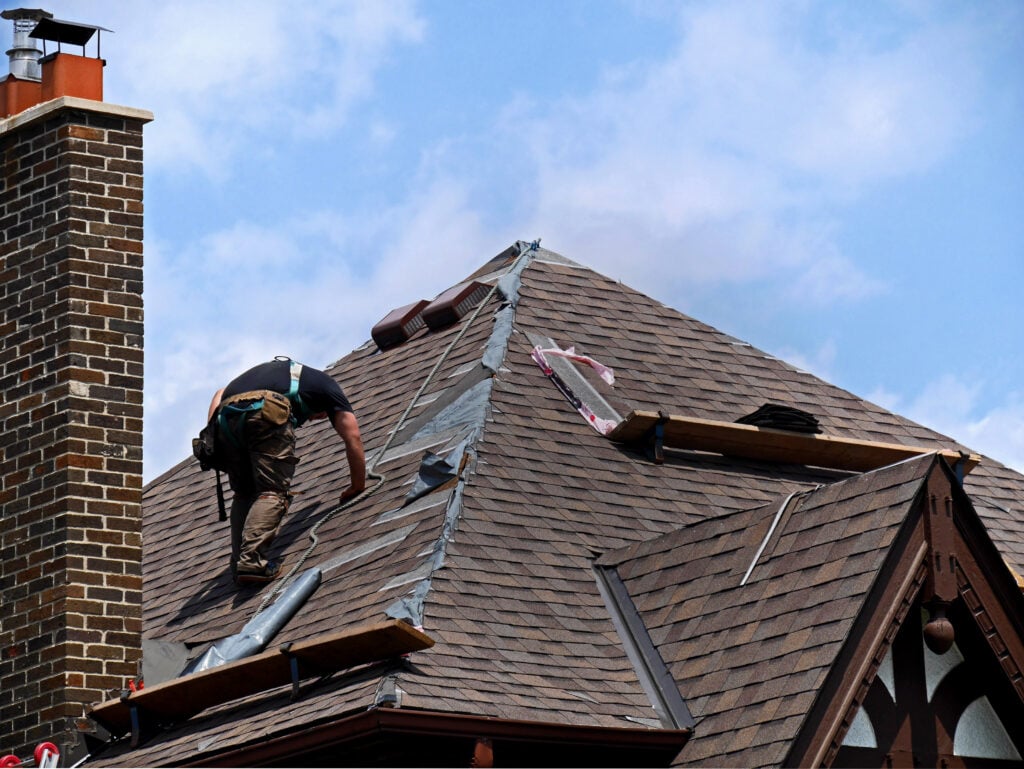
Your roof is one of the most critical components of your home, protecting you from the elements and contributing to your home’s overall structural integrity. However, over time, roofs can develop issues that require attention. The big question for many homeowners is whether to repair or replace their roof. This decision can be influenced by various factors, including the age of the roof, the extent of the damage, and your budget. In this article, we’ll explore the key considerations to help you make the right decision.
Understanding Roof Damage
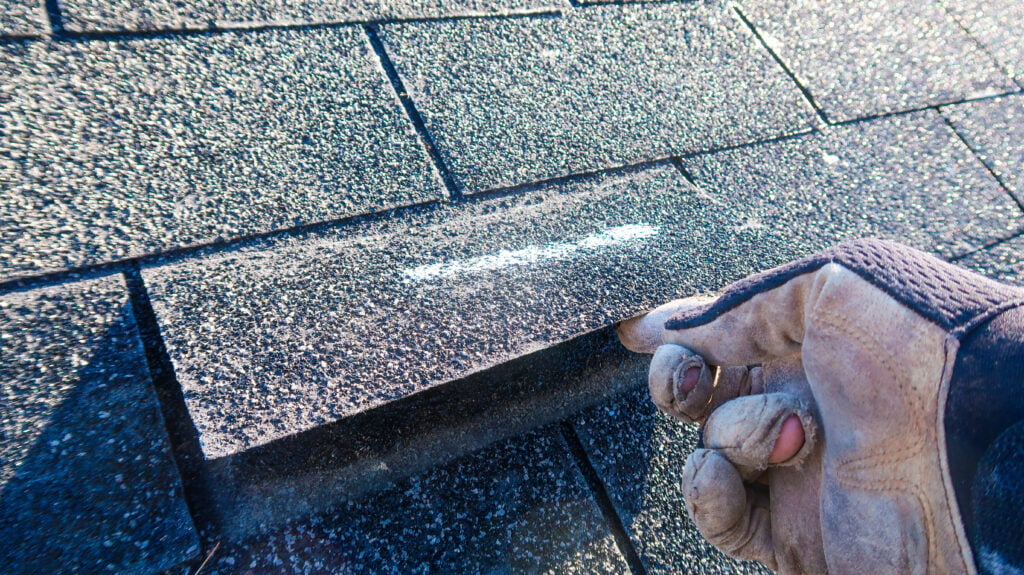
Before diving into the roof repair vs. replacement debate, it’s essential to understand the types of damage that can affect a roof. Common roofing problems include:
- Leaks and Water Damage: These are often caused by missing or damaged shingles, flashing issues, or worn-out underlayment.
- Shingle Damage: This includes cracked, curled, or missing shingles.
- Granule Loss: Over time, shingles lose their protective granules, leading to reduced effectiveness.
- Structural Damage: This can be due to factors like severe weather, falling debris, or long-term water damage.
- Mold and Mildew: These issues are typically a result of prolonged moisture exposure and poor ventilation.
Factors to Consider
When deciding whether to repair or replace your roof, several critical factors should be considered:
1. Age of the Roof
The age of your roof is one of the most significant factors in making your decision. Most asphalt shingle roofs have a lifespan of 20-25 years. If your roof is nearing the end of its expected life, replacement might be a more cost-effective solution than frequent repairs.
2. Extent of Damage
The extent and severity of the damage play a crucial role. Minor issues like a few missing shingles or small leaks can typically be repaired. However, widespread damage, multiple leaks, or structural problems might necessitate a complete replacement.
3. Cost
Budget considerations are always important. While repairs are generally less expensive than replacements, frequent repairs can add up over time. Additionally, if a repair is only a temporary fix, it might be more cost-effective to invest in a new roof.
4. Future Plans
Your future plans for the property can influence your decision. If you plan to sell your home soon, a new roof can enhance its market value and curb appeal. Conversely, if you’re planning to stay in the home for many years, a new roof might provide peace of mind and long-term savings.
5. Energy Efficiency
Modern roofing materials can significantly improve your home’s energy efficiency. If your current roof is outdated, replacing it with energy-efficient materials can reduce your utility bills and increase your home’s overall efficiency.
When to Repair Your Roof
Repairing your roof is often the best option when the damage is minor and localized. Here are some situations where repairs make sense:
Minor Leaks
If you notice a small leak in your roof, particularly around flashing or a vent, a repair is usually sufficient. Addressing the issue promptly can prevent further damage and more costly repairs down the line.
Missing or Damaged Shingles
A few missing or damaged shingles are generally easy to replace. This type of repair is cost-effective and can restore the roof’s integrity without a significant investment.
Granule Loss
If your shingles are losing granules but are otherwise in good condition, a repair might be appropriate. Applying a protective coating can extend the life of your shingles and delay the need for a full replacement.
Flashing Issues
Problems with flashing around chimneys, vents, and skylights can often be resolved with repairs. Ensuring that the flashing is properly sealed can prevent leaks and water damage.
When to Replace Your Roof
In some cases, replacing your roof is the best long-term solution. Here are situations where a replacement is advisable:
Widespread Damage
If your roof has extensive damage, such as widespread shingle loss, multiple leaks, or significant structural issues, a replacement is likely the best option. Repairing extensive damage can be costly and may not provide a long-lasting solution.
Age of the Roof
As mentioned earlier, if your roof is nearing the end of its expected lifespan, replacing it can be more cost-effective than continuing to make repairs. An older roof is more susceptible to ongoing issues and may not provide adequate protection.
Frequent Repairs
If you find yourself constantly repairing your roof, it might be time to consider a replacement. Frequent repairs can add up in cost and indicate that your roof is no longer performing as it should.
Energy Efficiency
If your roof is outdated and negatively impacting your home’s energy efficiency, replacing it with modern, energy-efficient materials can provide significant savings on your utility bills. Energy-efficient roofs can also make your home more comfortable by improving temperature regulation.
Selling Your Home
If you’re planning to sell your home, a new roof can be a major selling point. Prospective buyers are often wary of purchasing a home with an old or damaged roof, and a new roof can increase your home’s market value and curb appeal.
The Benefits of Roof Replacement
While a roof replacement is a significant investment, it comes with several benefits that can outweigh the initial cost:
Enhanced Protection
A new roof provides enhanced protection against the elements. Modern roofing materials are designed to withstand harsh weather conditions and provide better insulation and water resistance.
Improved Aesthetics
A new roof can dramatically improve the appearance of your home. With a wide range of colors and styles available, you can choose a roof that complements your home’s design and enhances its curb appeal.
Increased Home Value
A new roof can increase your home’s value, making it more attractive to potential buyers. A well-maintained roof is often a key selling point in the real estate market.
Energy Efficiency
Modern roofing materials are designed to improve energy efficiency. A new roof can help regulate your home’s temperature, reducing the need for heating and cooling and lowering your utility bills.
Peace of Mind
Knowing that your roof is in excellent condition provides peace of mind. You won’t have to worry about leaks, water damage, or other roofing issues, allowing you to enjoy your home without the constant concern of potential problems.
Making the Decision: Repair or Replace?
Deciding whether to repair or replace your roof requires careful consideration of the factors mentioned above. Here are some steps to help you make an informed decision:
1. Conduct a Thorough Inspection
Start with a thorough inspection of your roof. Look for signs of damage, such as missing or damaged shingles, leaks, and granule loss. If you’re unsure about the condition of your roof, consider hiring a professional roofing contractor to conduct an inspection.
2. Evaluate the Extent of Damage
Assess the extent of the damage to determine if it’s localized or widespread. Minor issues can often be repaired, while extensive damage might require a replacement.
3. Consider the Age of the Roof
Take the age of your roof into account. If it’s nearing the end of its expected lifespan, a replacement might be the best long-term solution.
4. Calculate the Costs
Compare the costs of repairs versus replacement. While repairs are generally less expensive, frequent repairs can add up over time. A replacement might be more cost-effective in the long run.
5. Factor in Energy Efficiency
Consider the energy efficiency of your current roof. If your roof is outdated and impacting your home’s energy efficiency, a replacement with modern materials can provide significant savings on your utility bills.
6. Think About Your Future Plans
Consider your future plans for the property. If you plan to sell your home soon, a new roof can enhance its market value. If you plan to stay in the home for many years, a new roof can provide long-term peace of mind.
7. Consult with a Professional
Finally, consult with a professional roofing contractor. They can provide expert advice based on their inspection and help you weigh the pros and cons of repair versus replacement.
Conclusion
Deciding whether to repair or replace your roof is a significant decision that requires careful consideration of various factors. By evaluating the age of your roof, the extent of the damage, the costs involved, and your future plans, you can make an informed choice that provides the best long-term solution for your home. Whether you opt for a repair or a full replacement, addressing roofing issues promptly can ensure the protection and longevity of your home.

Written By: Florida Roof Bros
How to Choose the Best Roofing Contractor for Your Commercial Building
Choosing the right roofing contractor for your commercial building is a critical decision that can affect the performance, durability, and safety of your roof. Whether you’re dealing with routine maintenance, urgent repairs, or a full replacement, partnering with a skilled and trustworthy contractor is essential.
This comprehensive guide will explore the key factors you need to consider to ensure you make the best choice for your commercial roofing needs.
1. Assess Your Roofing Needs
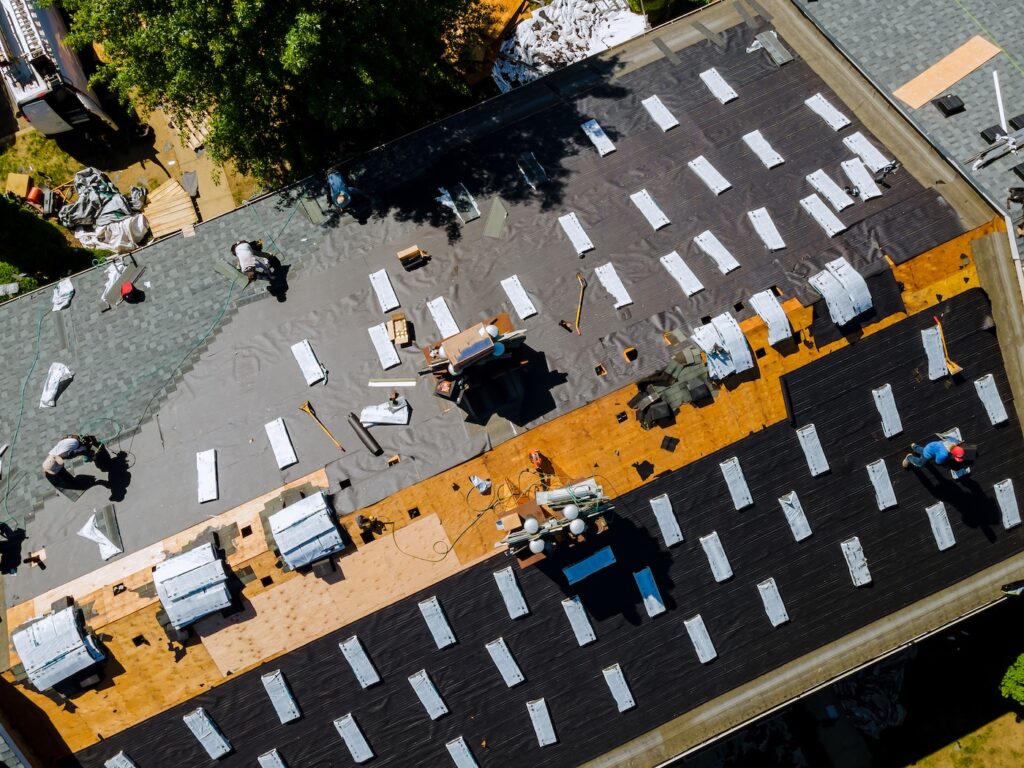
Before you start reaching out to potential contractors, it’s crucial to have a clear understanding of your roofing needs. This involves assessing the current state of your roof, identifying specific issues, and determining the type of service required.
Types of Commercial Roofs:
- Flat Roofs: Common in commercial buildings, flat roofs require regular maintenance and are susceptible to pooling water, which can lead to leaks.
- Pitched Roofs: Less common in commercial settings but still present, pitched roofs may need inspections to ensure proper drainage and integrity of shingles or tiles.
- Metal Roofs: Known for durability, metal roofs need checks for corrosion and proper sealing of joints.
- Green Roofs: These roofs incorporate vegetation and need specialized care to maintain the health of the plants and the integrity of the underlying roof structure.
Roof Condition Assessment:
- Inspection: A detailed inspection will reveal issues such as cracks, leaks, or worn areas. This can be conducted by a professional or, for minor issues, an in-house maintenance team.
- Age of Roof: The age of your roof can determine whether repairs or a replacement are necessary. Most commercial roofs have a lifespan of 15-30 years, depending on the material and maintenance.
- Current Problems: Document any issues such as leaks, insulation problems, or damaged flashing, which can help contractors provide accurate solutions.
2. Verify Credentials and Experience
Choosing a commercial roofing contractor with the right credentials and experience is essential for ensuring quality work and compliance with industry standards.
Licensing:
- State and Local Requirements: Roofing contractors must adhere to specific licensing requirements in your state or municipality. Verify that the contractor holds the necessary licenses to perform roofing work in your area.
- Specialized Licenses: Some roofing systems or techniques require specialized licenses or certifications. For instance, a contractor working with solar panels may need additional certifications.
Insurance:
- Liability Insurance: This protects you from potential damages that might occur during the roofing project.
- Worker’s Compensation: Covers medical expenses and lost wages for any workers who may be injured on the job. Ensure the contractor has adequate coverage to avoid liability for accidents.
Experience:
- Years in Business: Contractors with a long track record in the industry are likely to provide reliable and high-quality services.
- Commercial vs. Residential Experience: Ensure that the contractor has specific experience with commercial roofing, as it often involves different challenges and regulations compared to residential roofing.
3. Check References and Reviews
One of the best ways to assess a contractor’s reputation is through references and online reviews.
Contacting Work References:
- Previous Clients: Ask for a list of recent clients and contact them to discuss their experience with the contractor. Inquire about the quality of work, adherence to timelines, and overall satisfaction.
- Project Type: Ensure the references are for projects similar in scope and complexity to yours.
Online Quality Reviews:
- Review Platforms: Check reviews on platforms like Google, Yelp, and Angie’s List. Look for patterns in feedback, such as recurring praise or complaints.
- Professional Associations: Review ratings or endorsements from professional organizations like the National Roofing Contractors Association (NRCA) or local trade associations.
4. Evaluate Their Portfolio
A contractor’s portfolio provides a visual representation of their work and can help you gauge their expertise and quality.
Reviewing the Work Portfolio:
- Variety of Projects: Look for a range of projects that demonstrate the contractor’s ability to handle different types of roofing systems and challenges.
- Attention to Detail: Assess the quality of workmanship, including the precision of installations, material handling, and overall finish.
- Innovative Solutions: Check if the contractor uses modern techniques and technologies, which can improve the efficiency and longevity of the roofing system.
5. Compare Quotes and Services
Obtaining and comparing quotes is a crucial step in the selection process. A detailed and transparent quote helps you understand what you are paying for and ensures there are no hidden costs.
What to Include in Quotes:
- Scope of Work: The quote should detail the specific tasks to be performed, including any preparatory work, repairs, or installation.
- Materials and Labor Costs: Ensure the quote breaks down the costs for materials and labor separately.
- Timeline: The estimated start and completion dates should be included.
- Contingency Costs: Ask about potential extra costs for unforeseen issues or changes in scope.
Evaluating Quotes:
- Price Comparison: While cost is important, don’t choose a contractor solely based on the lowest bid. Quality and reliability should be considered as well.
- Warranties: Verify that the quote includes warranties for both materials and workmanship. Warranties protect you from defects and issues that may arise post-installation.
6. Inquire About Warranties and Maintenance
Warranties and maintenance services are essential for ensuring the longevity and performance of your roof.
Types of Warranties:
- Material Warranty: Covers defects in the roofing materials used. These warranties typically range from 10 to 30 years.
- Workmanship Warranty: Covers issues related to the contractor’s installation work. This can vary from 1 year to a lifetime, depending on the contractor and project.
Maintenance Services:
- Routine Inspections: Regular inspections can identify issues early and prevent costly repairs.
- Maintenance Plans: Some contractors offer maintenance plans that include scheduled inspections, cleaning, and minor repairs.
7. Assess Communication and Professionalism
Effective communication and professionalism are crucial for a successful roofing project. The contractor’s approach to these aspects can significantly impact your experience.
Signs of Good Communication:
- Responsiveness: The contractor should respond promptly to inquiries and provide clear answers to your questions.
- Transparency: They should be open about the project details, including potential challenges and solutions.
- Professional Conduct: Observe their demeanor, punctuality, and overall approach during initial meetings.
Professionalism Indicators:
- Contractor’s Appearance: A well-presented contractor often reflects a commitment to quality.
- Detailed Proposals: Professional contractors provide detailed and organized proposals and contracts.
- Adherence to Agreements: They should follow through on commitments made during discussions and contract negotiations.
8. Understand the Contract Terms
A clear and comprehensive contract is crucial for protecting your interests and ensuring that all aspects of the project are covered.
Contract Elements:
- Scope of Work: Detailed description of the tasks to be completed, including any specific requirements or specifications.
- Project Timeline: Clear start and end dates, along with milestones if applicable.
- Payment Terms: Detailed payment schedule, including any deposits, progress payments, and final payment terms.
- Change Orders: Procedures for handling any changes to the original scope of work or unexpected issues that may arise.
Reviewing the Contract:
- Legal Review: Consider having a legal professional review the contract to ensure all terms are fair and legally binding.
- Clarity: Ensure all terms are clearly defined and there is no ambiguity in the contract language.
9. Consider Safety and Compliance
Safety and regulatory compliance are critical aspects of any roofing project. A reputable contractor will prioritize safety and adhere to all relevant regulations.
Safety Measures:
- Safety Protocols: Inquire about the contractor’s safety protocols and procedures. They should have a comprehensive safety plan in place.
- Safety Equipment: Ensure that the contractor uses appropriate safety equipment, such as harnesses, helmets, and scaffolding.
Compliance:
- OSHA Regulations: Verify that the contractor complies with Occupational Safety and Health Administration (OSHA) regulations to ensure a safe work environment.
- Local Building Codes: The contractor should adhere to local building codes and regulations, which may dictate specific requirements for commercial roofing projects.
10. Trust Your Instincts
Finally, trust your instincts when making your final decision. If you have reservations or concerns about a particular contractor, it’s essential to address them before proceeding.
Instinct Check:
- Comfort Level: Ensure you feel comfortable discussing your needs and concerns with the contractor.
- Trustworthiness: Choose a contractor who seems honest and transparent in their dealings.
- Overall Impression: Evaluate your overall impression of the contractor based on their communication, professionalism, and responsiveness.
Conclusion
Choosing the best roofing contractor for your commercial building involves thorough research and careful consideration.
By assessing your roofing needs, verifying credentials, checking references, and comparing quotes, you can make an informed decision that ensures your roof receives the quality care it deserves. Prioritize contractors who offer comprehensive services, strong warranties, and excellent communication to safeguard your investment and achieve a durable, high-quality roofing solution.
As you embark on your roofing project, take the time to vet potential contractors thoroughly and choose one that aligns with your expectations and requirements. Investing in a reputable and experienced roofing contractor will provide you with peace of mind and ensure the long-term success of your commercial roofing system.
If you’re ready to get started, use this guide to evaluate potential contractors and select the one best suited for your commercial roofing needs. With the right contractor, you’ll achieve a reliable, high-performing roof that enhances the safety and value of your building.
Written By: Florida Roof Bros
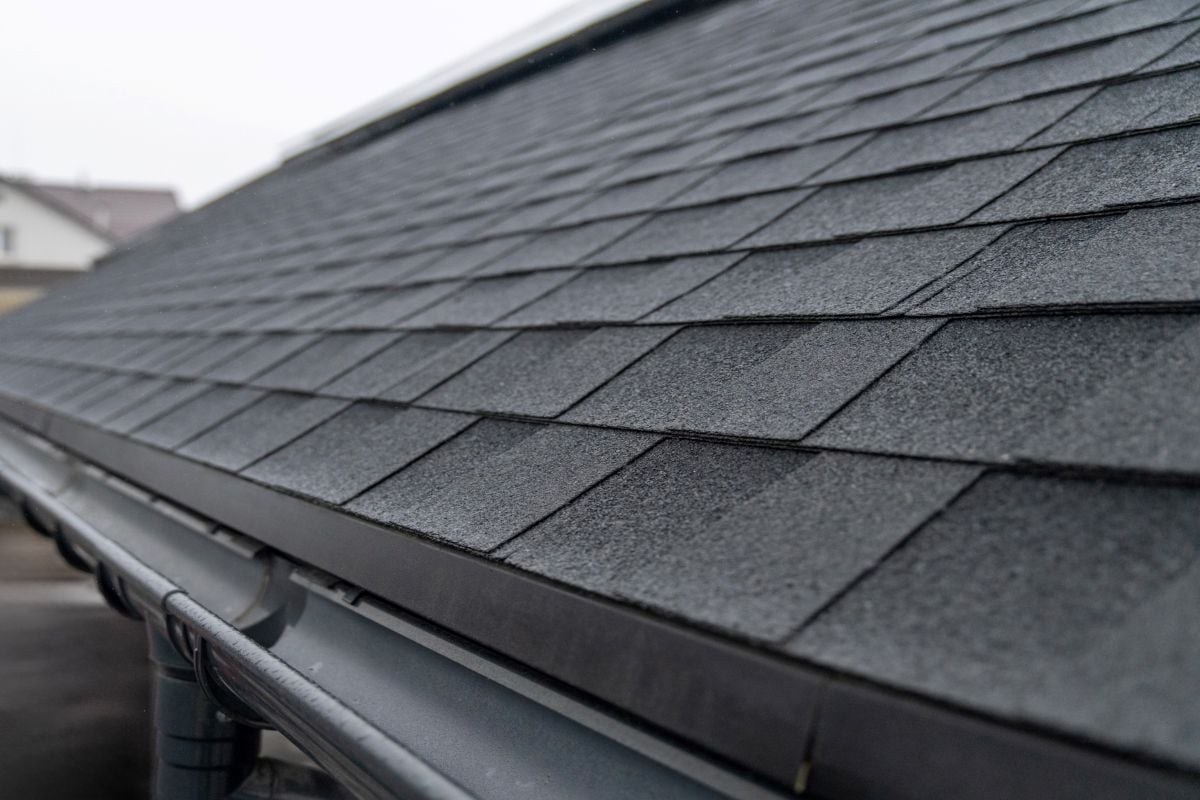
Architectural Shingles vs 3 Tab: 6 Key Differences
Choosing the right shingles isn’t just about looks — it’s about protecting your home from the Florida heat, storms, and humidity. When comparing architectural shingles vs 3 tab, the differences go far beyond price. If you’re planning a roof replacement or repair in places like Melbourne and surrounding areas, knowing how these two options stack up will help you make a smart, long-term decision. Be sure to understand how each type handles local weather when considering your next roofing project.
Here’s what you’ll learn in this guide:
- How architectural and 3-tab shingles are built and perform differently
- Which option lasts longer and handles Florida storms better
- A clear cost breakdown and long-term value comparison
- Which type may be best for your home and goals
Why This Comparison Matters for Florida Homes
Florida homes take a beating from hurricanes, humidity, salt air, and year-round sun. That makes material choice more important here than in many other parts of the country.
- Storm Resistance: The right shingle can mean fewer repairs after high winds and heavy rain.
- Energy Efficiency: Some shingles offer better heat resistance, which lowers cooling bills.
- Curb Appeal: Upgraded roofing materials can boost your home’s appearance and value.
- Long-Term Investment: A better shingle now can save thousands in the future.
- Code Compliance: Florida building codes often require specific wind resistance ratings.
6 Key Differences Between Architectural and 3 Tab Shingles
Here’s how these two common roofing options compare on the things that matter most to homeowners in West Melbourne and surrounding areas.
1. Construction and Material Design
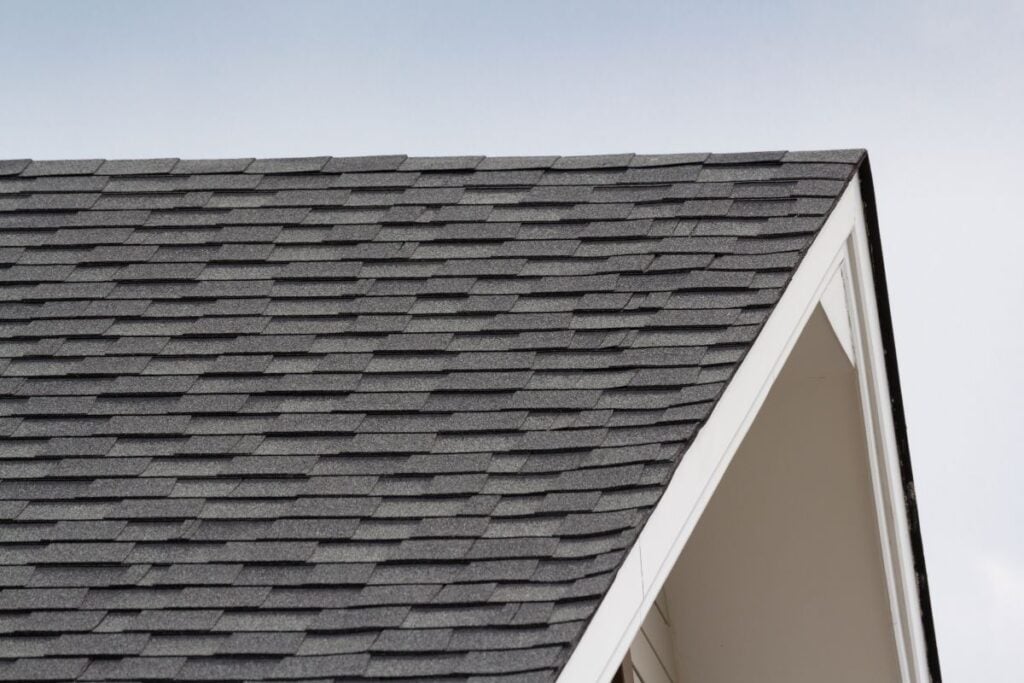
3-tab shingles are flat, single-layer asphalt shingles that give a clean, uniform look. Architectural shingles, sometimes called dimensional or laminate shingles, are made from multiple layers for extra thickness and texture.
- 3-tab shingles have a consistent, cut-out pattern
- Architectural shingles have a varied, layered appearance
- Extra layers improve structural strength and visual appeal
2. Wind and Weather Resistance
Florida homeowners need roofing that holds up to intense storms and strong gusts. This is one of the biggest reasons many people upgrade to architectural shingles.
- 3-tab shingles are typically rated for up to 60 mph winds
- Architectural shingles often withstand 110–130+ mph winds
- Better resistance means fewer missing shingles after storms
3. Life Expectancy
Longevity is another major difference. While 3-tab shingles are more affordable upfront, they tend to need replacement sooner.
- 3-tab lifespan: 15–20 years (may be shorter in Florida)
- Architectural lifespan: 25–30 years or more
- Dimensional shingles last longer due to better materials and thickness
4. Appearance and Style Options
If you’re concerned with the way your roof looks from the street, architectural shingles win on aesthetics.
- More texture and shadowing adds dimension to your roof
- Can mimic wood shake or slate roofing
- 3-tab shingles are more basic and flat-looking
5. Cost Breakdown
Price is always a factor — but it’s worth thinking in terms of both short- and long-term cost.
- 3-tab shingles typically cost $250–$400 per square (100 sq. ft.) installed
- Architectural shingles range from $400–$600 or more per square installed
- Architectural shingles may have higher labor costs due to extra weight and layering
- Over time, fewer repairs and replacements often offset the higher upfront cost
6. Warranty Coverage
Shingle manufacturers usually offer stronger warranties on higher-end products. That means more protection for your investment.
- 3-tab shingles: often covered by 20–25-year warranties
- Architectural shingles: commonly come with 30–50 year warranties
- Some premium shingles may be eligible for extended manufacturer-backed warranties with professional installation
Pros and Cons Overview
Let’s summarize the major takeaways to make it easier to decide.
3 Tab Shingles
Pros:
- Lower initial cost
- Easier to install
- Lightweight, suitable for some older roof structures
Cons:
- Shorter lifespan
- Lower wind resistance
- Basic, flat appearance
Architectural Shingles
Pros:
- Longer lifespan and better durability
- Improved storm protection
- More attractive design and color options
- Often better warranty coverage
Cons:
- Higher upfront investment
- Heavier material may require stronger roof decking
Which Shingle Is Best for Your Florida Home?
Your roofing choice depends on your priorities. Consider these common scenarios:
- Budget-conscious homeowners: If you need to replace your roof affordably and plan to move soon, 3-tab shingles may be enough.
- Long-term homeowners: If you plan to stay for 10+ years, architectural shingles offer more value over time.
- Storm-prone areas: In cities like West Melbourne, where tropical storms are frequent, higher wind resistance is a major advantage.
- Homes with visible rooflines: Architectural shingles enhance curb appeal, which can boost resale value or HOA satisfaction.
For new builds or major renovations, many roofing contractors recommend skipping 3-tab shingles entirely and going with the more modern, durable option.
Florida-Specific Roofing Considerations
Florida’s climate presents unique challenges for roof materials. Here’s how to factor that into your decision:
- UV Resistance: Prolonged sun exposure causes asphalt shingles to dry out and crack. Architectural shingles handle UV better.
- Mold & Algae: Look for algae-resistant coatings, especially in humid areas like West Melbourne.
- Hurricane Codes: Some coastal counties may require shingles that meet high wind uplift standards.
- Insurance Discounts: Some insurers offer lower premiums for homes with upgraded roofing systems, especially when they exceed code requirements.
Frequently Asked Questions
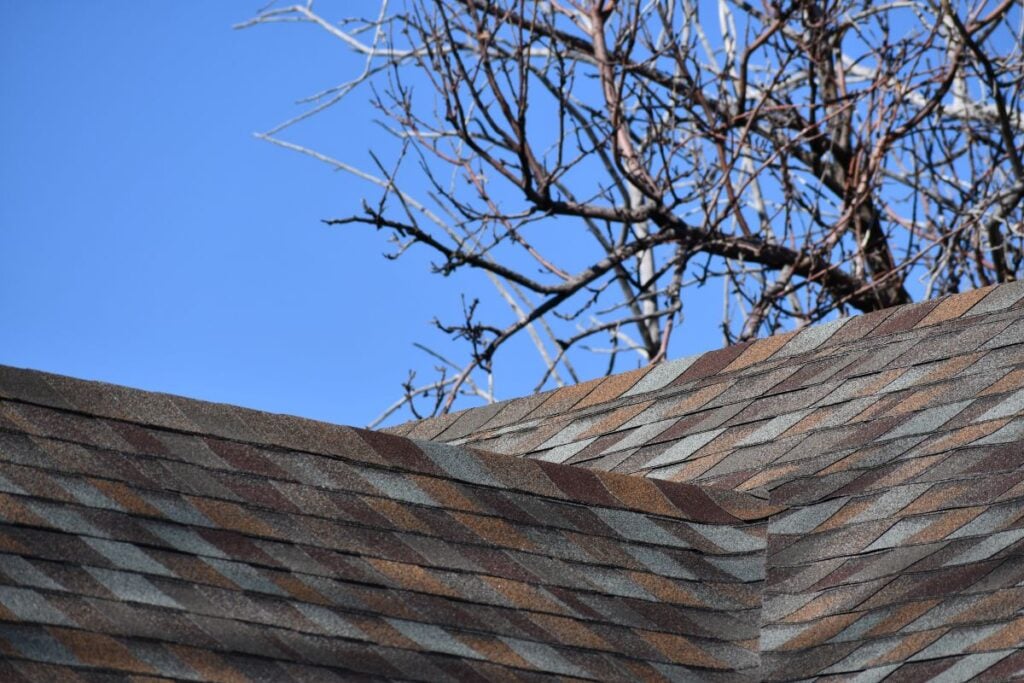
Here are the most common questions we get when it comes to comparing architectural shingles vs 3 tab.
Can I install 3-tab shingles over architectural shingles?
No. Roofing layers must match in thickness and material type to ensure proper sealing and alignment. Mixing shingle types is not recommended.
Will architectural shingles make my roof hotter?
Not significantly. In fact, some premium architectural shingles are designed with reflective granules that help reduce heat absorption, which can be beneficial in Florida.
Are architectural shingles harder to install?
They do require a bit more labor, but most experienced roofing crews can install them efficiently. The added weight and thickness simply require more care during application.
Do both shingle types work with solar panels?
Yes, both are compatible with solar installations, but architectural shingles provide a sturdier base for mounting brackets and long-term performance.
Final Thoughts: Make the Smart Choice for Your Roof
Whether you’re installing a new roof or replacing an old one, choosing between 3-tab and architectural shingles is a decision that affects your home’s protection and value. For homeowners in West Melbourne and surrounding areas, where wind, heat, and rain are constant factors, architectural shingles often make the most sense.
If you’re still unsure which option is best for your home, contact us today for expert advice and a free estimate. Florida Roof Bros is here to guide you through every step with honesty, experience, and unmatched local expertise.
Written By: Florida Roof Bros
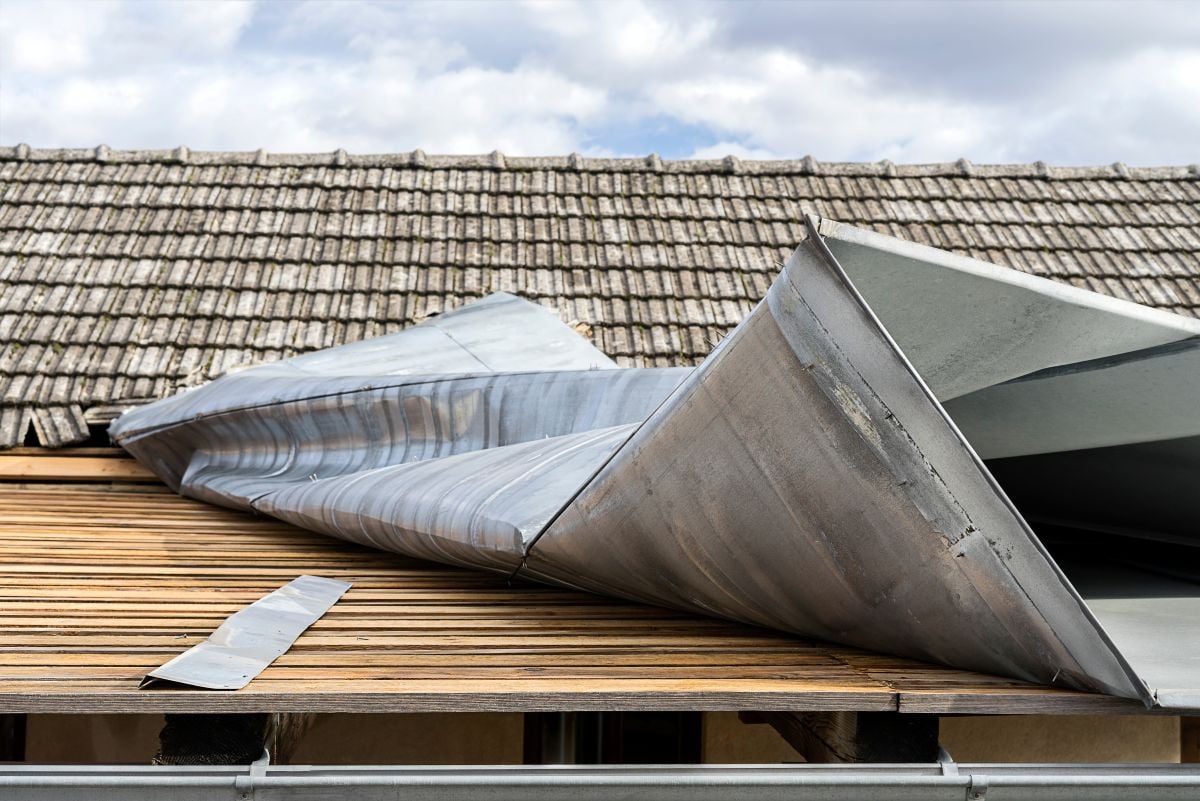
How to Deal With Wind Damage to Roof (Storm Damage Guide)
Florida homeowners are no strangers to intense weather, and high winds can do more than just shake a few palm trees. When storms roll through, wind damage to roof systems is one of the most common and costly issues. Spotting the signs early and knowing what steps to take can help you avoid structural problems, leaks, and even insurance headaches. If you notice missing shingles or granules around your home, it may be time to explore the best approach to protecting your roof against future storms.
What you’ll learn in this blog:
- Common signs of wind-related roof damage
- Steps to take after a storm hits your area
- How wind damage affects different roofing materials
- When to repair versus replace
Why Wind Damage Shouldn’t Be Ignored
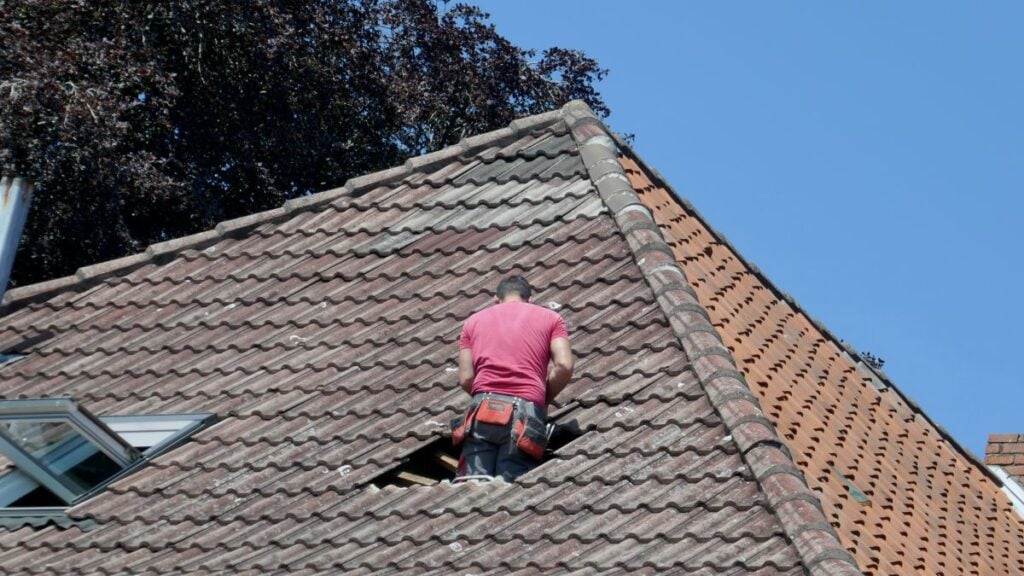
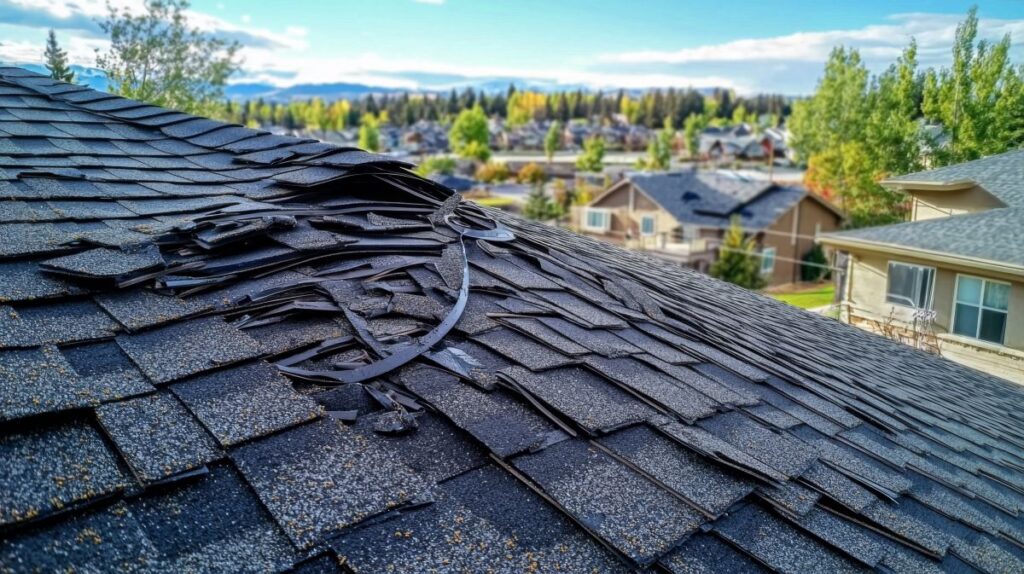
Ignoring wind damage can turn a minor repair into a major renovation. Florida’s climate makes roofs more vulnerable to wind uplift, flying debris, and rapid aging. Acting fast can save time and money.
- Prevents Leaks: Lifted shingles or flashing gaps allow water to seep in during future storms.
- Preserves Structural Integrity: Wind damage often impacts underlayment and decking.
- Maintains Insurance Coverage: Prompt action and documentation help ensure you qualify for storm-related claims.
- Avoids Mold Growth: Water infiltration from loose materials can lead to mold within days.
6 Steps to Handle Wind Damage to Your Roof
Florida storms don’t always give much warning, but how you respond afterward matters. Here’s a step-by-step breakdown of what homeowners should do after high winds strike.
1. Inspect Your Property Safely
Before climbing a ladder, check for visible signs from the ground.
- Look for missing shingles or roof tiles
- Check around your yard for roofing materials or debris
- Inspect soffits, fascia, and gutters
If it’s safe, take photos of damage for insurance purposes.
2. Check the Attic or Ceiling
Interior signs can be just as revealing.
- Water stains or drips on ceilings
- Musty odors or signs of moisture
- Daylight peeking through roof boards
These clues often indicate wind has compromised the roof system.
3. Call a Local Roofing Professional
A certified roofer can inspect your roof thoroughly and provide a clear report on damage.
- Get a full damage assessment
- Receive an itemized estimate
- Ask about emergency tarping if leaks are active
Choose a roofer who regularly works in areas like Melbourne and surrounding areas so they understand wind codes and regional risks.
4. Contact Your Insurance Provider
Wind damage may qualify under your homeowner’s policy.
- File a claim as soon as possible
- Provide photos, roofer report, and repair quotes
- Be prepared to meet with an adjuster on-site
Acting promptly improves the chances of coverage.
5. Schedule Immediate Repairs
Even minor repairs like missing shingles can prevent bigger issues.
- Replace torn or curled shingles
- Reseal flashing and vents
- Repair broken ridge caps or hips
Address structural issues or decking damage right away.
6. Plan for Long-Term Protection
Ask your roofer about upgrades that reduce future wind damage.
- High-wind-rated shingles or tiles
- Reinforced underlayment or roof straps
- Regular inspection plans before and after hurricane season
How Wind Affects Different Roofing Materials
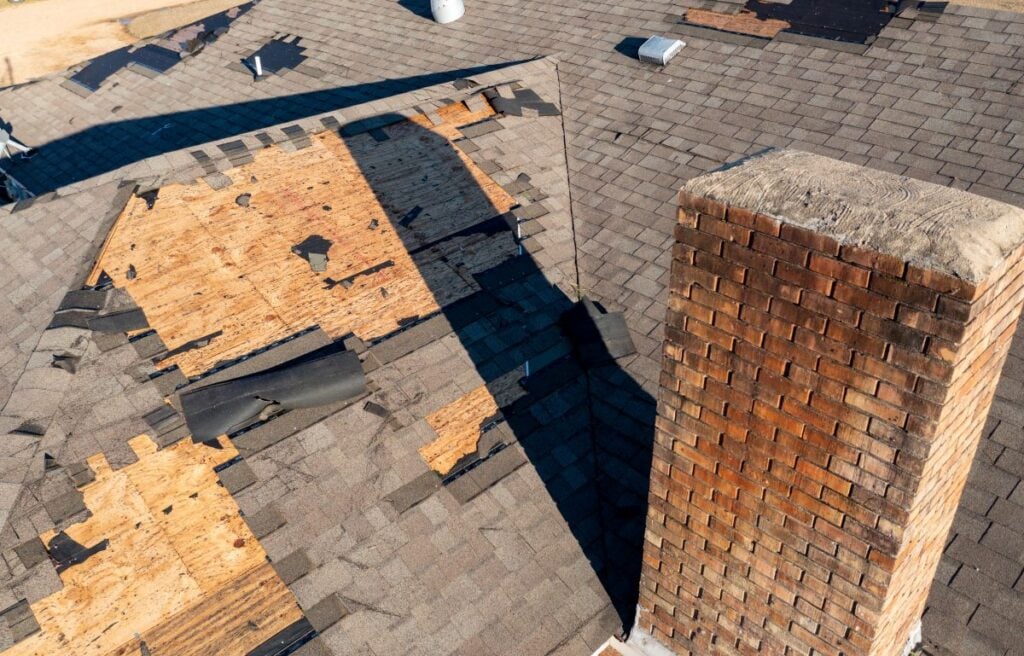
Not all roofs respond the same to high winds. Here’s how common Florida roofing materials hold up.
Asphalt Shingles
Most affordable but prone to lifting or tearing under high winds.
- Rated for 60–110 mph winds (varies by type)
- Sealing strip weakens over time
- Vulnerable at edges and roof ridges
Metal Roofing
Highly wind-resistant when installed correctly.
- Interlocking panels resist uplift
- Requires secure fasteners and proper edge sealing
- Lightweight but durable
Concrete & Clay Tile
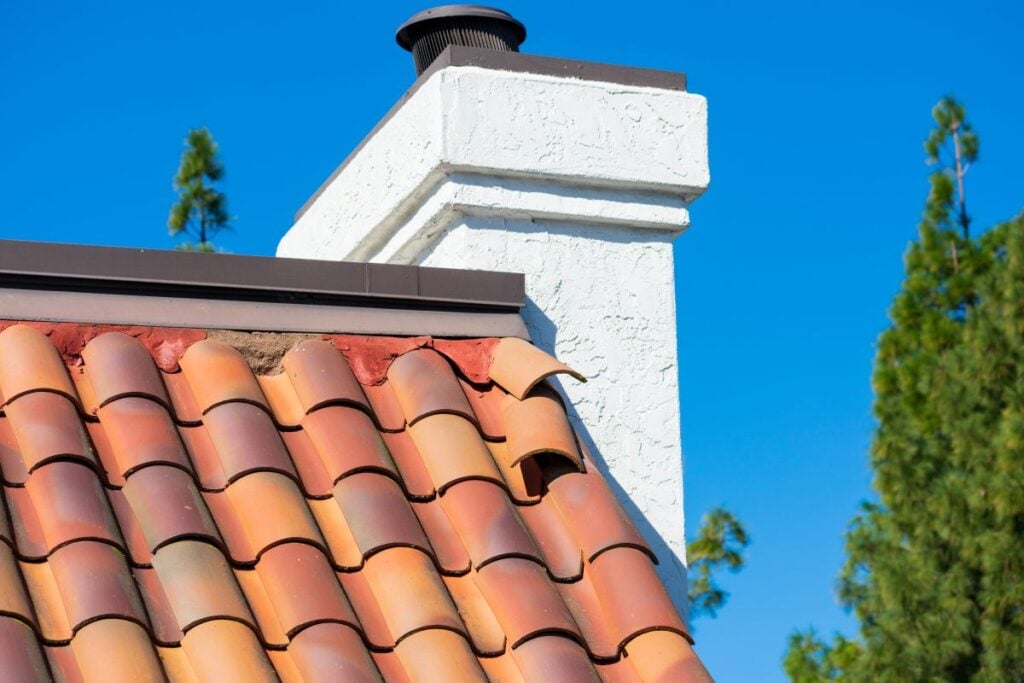
Heavier and durable but can crack or dislodge.
- Needs tight fastening to withstand uplift
- Broken tiles can expose underlayment
- May require partial replacement after strong storms
Flat Roof Systems (TPO, Modified Bitumen)
Vulnerable to uplift at seams and edges.
- Adhesion quality matters
- Flashing and vent areas are common failure points
- Regular sealing reduces risk
Signs Your Roof Needs More Than a Quick Fix
Some storm damage can be handled with repairs, but other issues point to deeper problems. Here’s what to watch for:
- Widespread shingle loss: If more than 25% is affected, replacement may be more cost-effective
- Visible sagging: Indicates potential structural damage or water saturation
- Persistent leaks: Ongoing issues despite patching may signal underlayment failure
- Roof age over 15 years: Older roofs may not meet updated wind-resistance codes
If you’re unsure, ask your contractor for a repair vs. replace recommendation after inspection.
Roof Wind Damage FAQs
Here are the most common questions we get regarding roof wind damage.
How strong does wind need to be to damage a roof?
Winds above 45 mph can begin to damage older roofs, while newer ones usually withstand up to 90 mph. Gusts and flying debris often cause the most damage.
Can I repair roof wind damage myself?
It’s possible to patch minor shingle issues if you’re experienced with roofing, but hiring a professional is the safest and most reliable option—especially for insurance claims.
Does insurance cover wind damage?
Most homeowner’s policies in Florida cover wind-related roof damage. Be sure to document everything and act quickly.
Should I tarp my roof right away?
Yes. If your roof is actively leaking or has exposed decking, emergency tarping protects your home until repairs can be completed.
Protect Your Roof With Help From Florida Roof Bros
Living in Florida means being prepared for hurricane-force winds and unpredictable weather. Knowing how to identify and respond to wind damage can protect your investment and save you from costly repairs. If you suspect damage or need a professional evaluation, contact us today to schedule a roof inspection. Florida Roof Bros is proud to serve Melbourne and surrounding areas with trusted storm damage solutions.
Written By: Florida Roof Bros
Roof Repair Cost: 7 Common Issues & What to Expect for Cost
When your roof shows signs of wear or damage, it can be hard to know what kind of repair is needed or how much it will cost. Understanding the average roof repair cost and what contributes to it helps Florida homeowners make informed decisions before small issues become expensive problems. If your home is overdue for an inspection or showing signs of leaks, sagging, or damaged shingles, now is the time to explore your options. You can learn more about the systems we work on by reviewing our approach to complete roof protection.
What you’ll learn in this blog:
- Common causes of roof damage and repair needs
- Typical cost ranges based on type of issue
- How Florida’s weather affects pricing and timelines
- When to repair versus replace
Why Roof Repairs Shouldn’t Be Delayed
Addressing roofing problems early on can save you from major expenses down the line. Even seemingly minor issues can quickly escalate if moisture seeps into your roof deck or attic.
- Prevents Water Damage: A quick repair keeps rain from causing mold, rot, or interior leaks.
- Protects Home Value: A well-maintained roof boosts your home’s resale appeal.
- Avoids Structural Problems: Fixing soft spots and leaks early can prevent wood rot or framing damage.
- Saves Energy Costs: Repaired flashing and vents help your HVAC system run efficiently.
7 Common Roofing Issues and Their Repair Costs
The cost of roof repair varies based on the material, slope, access, and extent of damage. Below are the most common repair issues Florida homeowners face and what they typically cost.
1. Missing or Damaged Shingles
This is one of the most frequent issues, especially after storms.
- Asphalt: $150–400
- Tile or metal: $300–800
- Spot repairs typically cover a few square feet
2. Roof Leaks
Leaks are often due to flashing failure, cracked sealant, or worn-out shingles.
- Minor leak repair: $250–500
- Major leak repair: $700–1,500
- Includes sealing, underlayment fixes, or small decking replacements
3. Damaged Flashing
Flashing surrounds chimneys, vents, and valleys. If it’s corroded or loose, water can easily penetrate.
- Flashing replacement: $200–800
- New sealant or metal sheets may be required
4. Sagging Roof
This could indicate structural problems or water-soaked decking.
- Minor reinforcement: $300–700
- Major sag repairs: $1,500+
- Requires inspection to confirm cause
5. Gutter or Fascia Issues
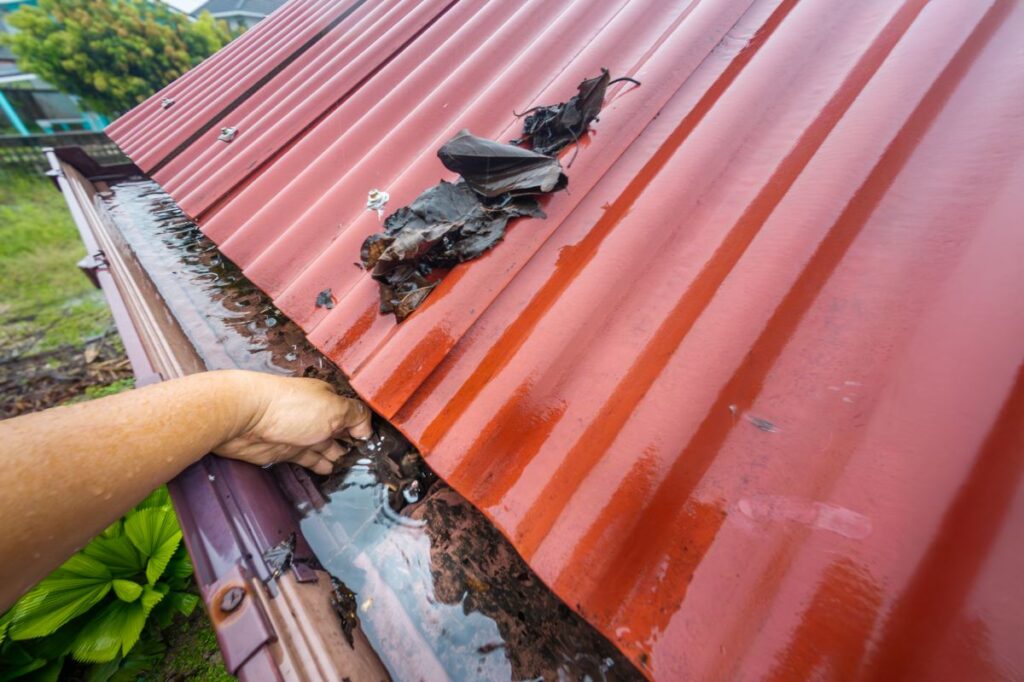
Clogged or broken gutters and fascia can impact roof runoff and edge protection.
- Fascia board replacement: $300–600
- Gutter repair: $150–400
6. Skylight Repairs
Cracked or leaking skylights can damage nearby roof components.
- Seal replacement: $200–500
- Skylight flashing: $300–800
7. Vent Boot or Pipe Collar Replacement
These rubber seals crack over time and cause leaks around vent pipes.
- Boot replacement: $150–300
- Often bundled with minor shingle repair
What Affects Roof Repair Costs in Florida?
Not every roof repair comes with the same price tag. The following factors can increase or decrease what you pay:
- Material Type: Metal and tile cost more to repair than asphalt shingles.
- Roof Height & Slope: Steep or multi-story roofs require more labor and safety precautions.
- Extent of Damage: Small patches cost less; widespread issues require more material and time.
- Access: Obstructions like landscaping or solar panels can slow the crew down.
- Permit Requirements: In areas like Palm Bay and surrounding areas, permits may be needed for structural repairs.
Repair or Replace? How to Decide
In many cases, repair is all you need. But how do you know when it makes more sense to replace the whole roof?
Consider a Full Replacement If:
- The roof is over 15–20 years old
- More than 25% of the surface is damaged
- You have recurring leak issues
- You’re planning to sell and want to increase value
Stick with Repairs If:
- The issue is isolated to one area
- Your roof is under 10 years old
- You recently had other parts of the roof serviced
A professional inspection can help you weigh the costs and benefits.
Tips for Managing Roof Repairs in Florida’s Climate
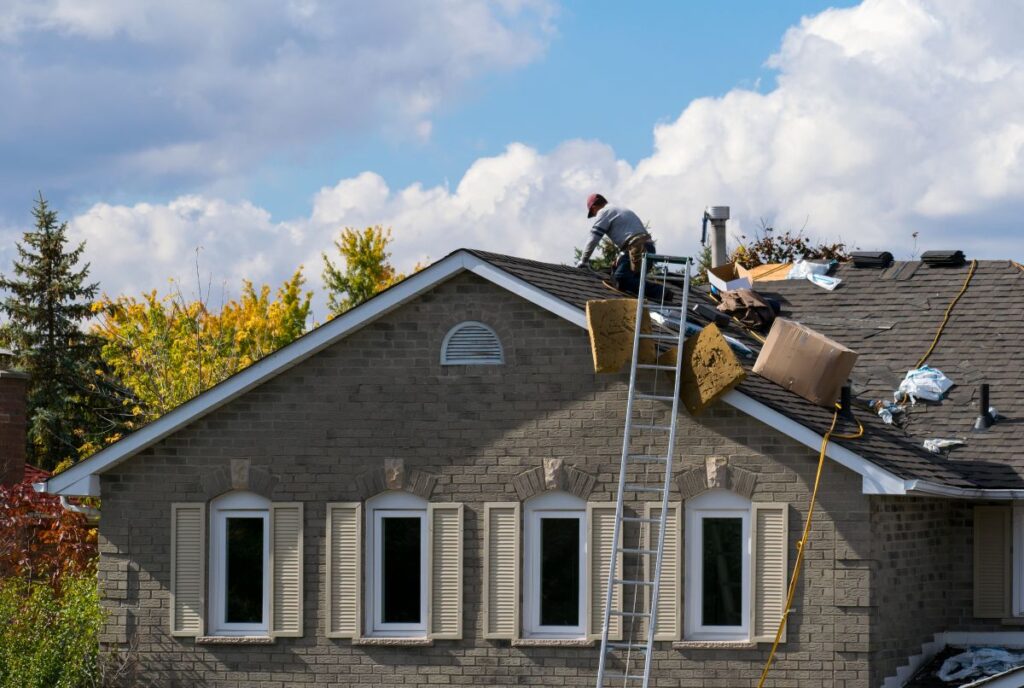
Florida homes face unique challenges like hurricanes, salt air, and heavy UV exposure. Here’s how to get the most from your roof repairs:
- Schedule Off-Season Repairs: Late winter and early spring often have better availability and pricing.
- Use High-Quality Materials: Opt for corrosion-resistant flashing and UV-stable sealants.
- Partner with Local Experts: Roofers familiar with Palm Bay and surrounding areas will know which materials perform best.
- Ask About Warranties: Many roof repairs come with short-term workmanship guarantees.
Need Roof Repairs? Let Florida Roof Bros Help
Timely repairs protect your home, energy costs, and property value. Whether you’re dealing with a small leak or a sagging section, Florida Roof Bros provides expert solutions with fair, honest pricing. If you’re unsure about your next steps, contact us today for an inspection or quote from our experienced team.
We proudly serve Palm Bay and surrounding areas with roofing solutions that stand up to Florida’s toughest weather.
Written By: Florida Roof Bros
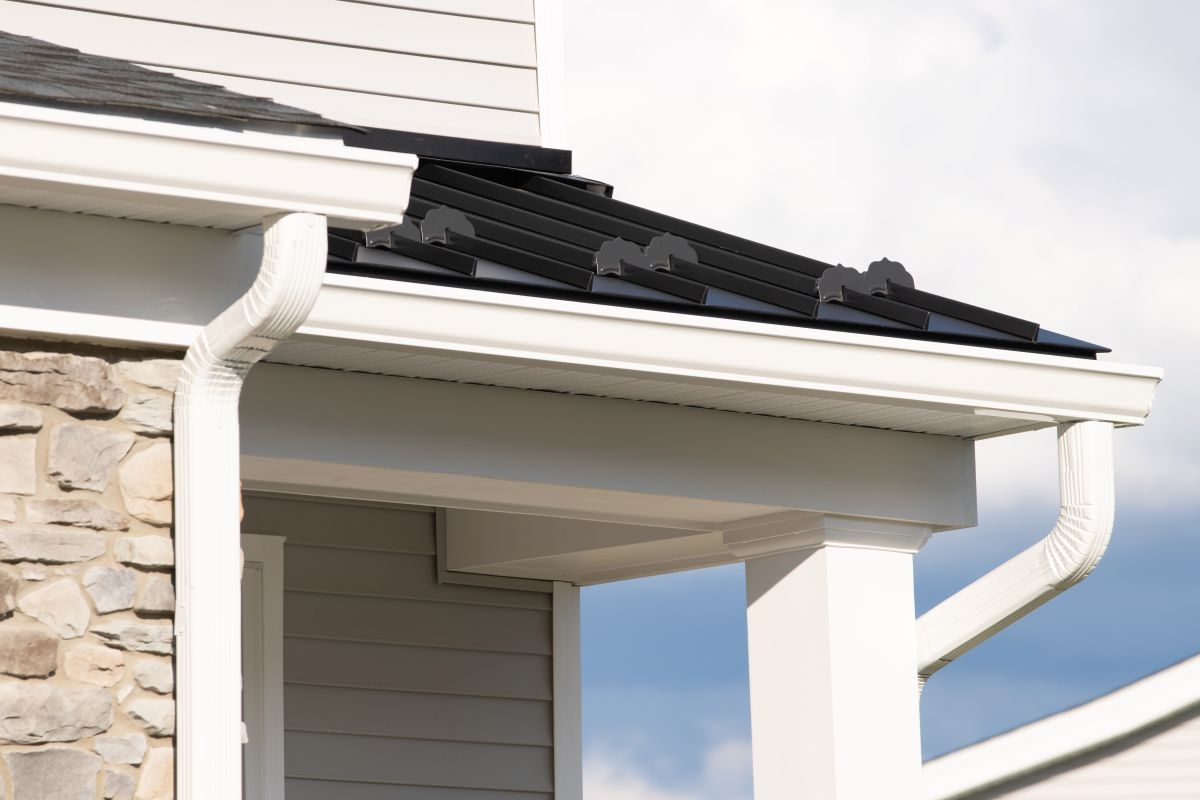
What Is Fascia on a House? (A Guide to Your Roofing System)
If you’ve ever wondered what is fascia on a house, you’re not alone. Though it’s easy to overlook, fascia plays a key role in supporting your roofline and protecting your home from water damage. To better understand how fascia fits into your home’s exterior, take a look at how our team approaches comprehensive roofing systems for Florida homes.
What you’ll learn in this blog:
- What fascia is and where it’s located on your home
- Why fascia boards matter in Florida’s climate
- Signs of damage and what causes deterioration
- Options for fascia replacement or repair in Vero Beach and surrounding areas
Why Fascia Boards Are More Important Than You Think
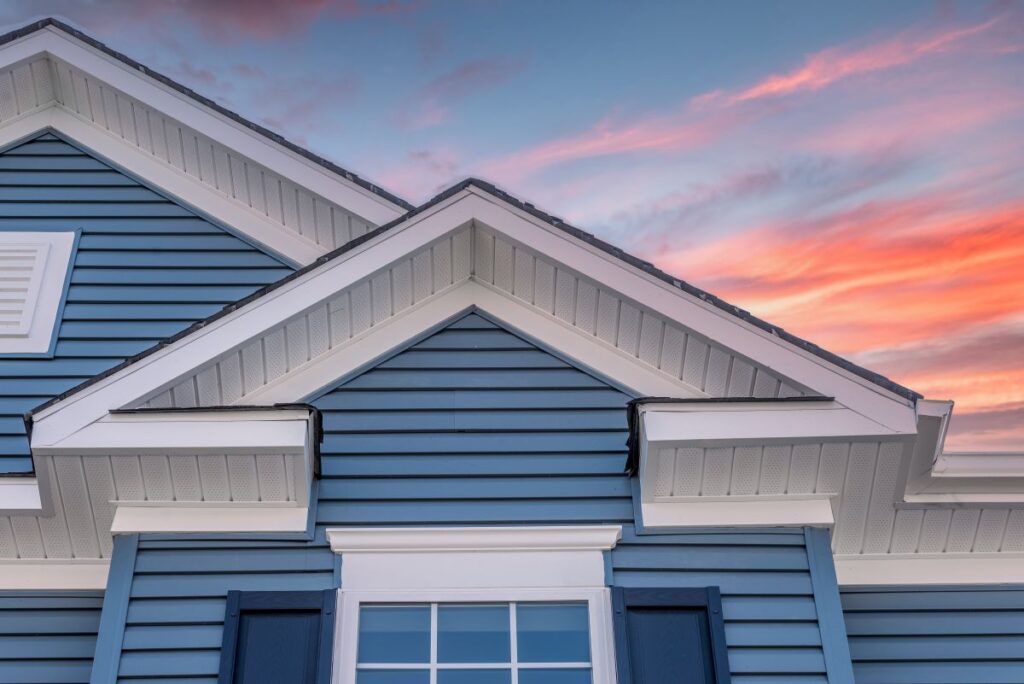
Fascia boards may not be the most visible part of your home’s exterior, but they play a critical structural and functional role in your roofing system. When properly maintained, fascia protects both your home and your investment.
- Supports Gutter Systems: Fascia boards are the mounting point for gutters. Without a solid fascia, your gutters can sag or detach.
- Prevents Water Intrusion: By covering the roof’s edge, fascia stops water from infiltrating your roof decking and attic.
- Improves Curb Appeal: Clean, well-painted fascia gives your home a finished look and frames your roofline.
- Keeps Pests Out: Properly sealed fascia blocks rodents and insects from entering your attic space.
- Protects Roof Edge: Fascia shields the ends of rafters and trusses from sun, wind, and rain.
5 Key Things to Know About Fascia on Your House
Understanding fascia isn’t just for contractors. Homeowners benefit by learning what this board does, where it’s located, and how to tell when something’s wrong.
1. What Exactly Is Fascia?
Fascia is the long, straight board that runs along the lower edge of your roof, directly beneath the shingles. It’s typically made from:
- Wood (painted or sealed)
- Composite (engineered wood)
- Aluminum or PVC wrap
- Fiber cement
The fascia is visible behind your home’s gutters and ties together the roof edge and soffits underneath.
2. Where Is Fascia Located?
Fascia runs horizontally along the eaves of your roof. It’s typically placed where the roof meets the outer walls of your home and serves as a connecting surface between the roof decking and gutter system.
- Found at the roofline behind the gutters
- Works with soffits, which run underneath
- Ends at the gable ends and roof slopes
3. How Does Florida’s Climate Affect Fascia?
In Vero Beach and surrounding areas, humidity, storms, and salt air can take a toll on fascia boards. Common issues include:
- Wood rot from consistent moisture
- Peeling paint due to UV exposure
- Metal corrosion in coastal zones
- Mold or mildew on unsealed surfaces
That’s why choosing durable fascia materials and keeping them sealed is so important in Florida.
4. What Are Signs of Fascia Damage?
Watch for these common indicators that your fascia may need repair or replacement:
- Peeling paint or discoloration
- Soft or spongy wood when touched
- Rust stains near gutters
- Water dripping behind gutters
- Sagging gutters or water pooling at your foundation
If left untreated, fascia damage can lead to structural issues and costly interior leaks.
5. When Should Fascia Be Replaced?
Fascia should be replaced when it becomes soft, warped, or damaged beyond repair. Many homeowners replace fascia during roof replacements or major gutter upgrades.
- Replace if more than 25% shows signs of rot
- Address along with new gutter installations
- Upgrade during full roof replacement for better protection
Fascia Material Comparison: Which Type Is Best for Florida?
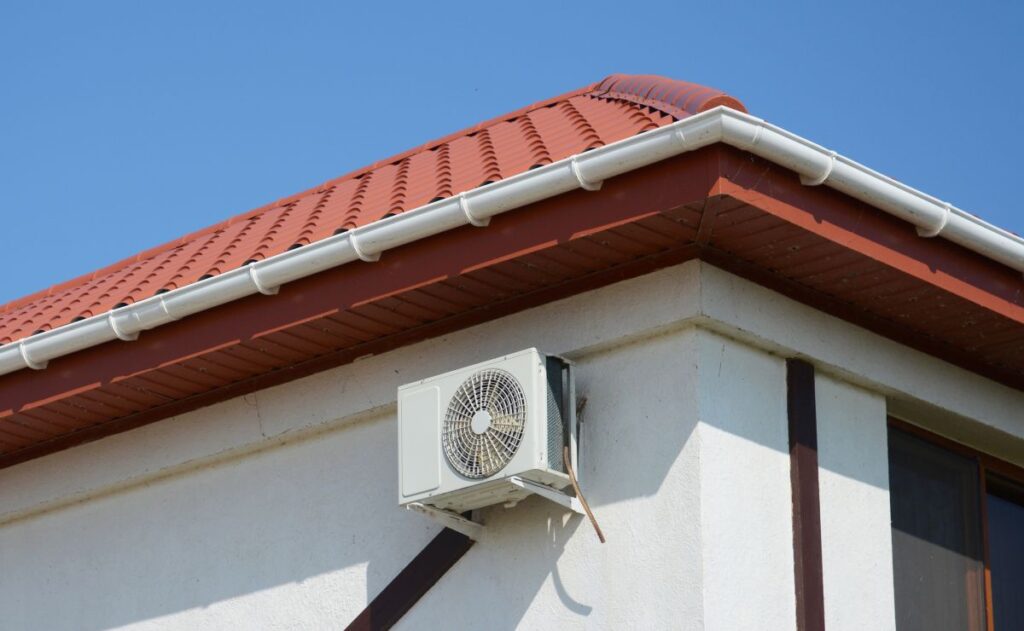
Choosing the right fascia material is key in Florida’s challenging climate. Here’s how common options compare:
| Material | Pros | Cons | Ideal For |
| Wood | Traditional look, easy to customize | Susceptible to rot and pests | Homes with classic styling |
| PVC | Moisture-proof, won’t rot or rust | Can warp in extreme heat | Humid and coastal homes |
| Aluminum Wrap | Durable, rust-resistant, low-maintenance | May dent or scratch under impact | High-wind or salt-air areas |
| Composite | Engineered strength, resists warping | More expensive than wood | Homes with modern exteriors |
| Fiber Cement | Fire- and pest-resistant | Heavier, harder to install | Homes needing maximum durability |
In Vero Beach and surrounding areas, PVC and aluminum-wrapped wood are common due to their resistance to moisture and insects. If you’re investing in long-term protection, composite and fiber cement are strong contenders as well.
Repairing vs. Replacing Fascia Boards
Not all fascia damage requires full replacement. Here’s how to decide between patching and replacing.
When Repair Makes Sense
- Only a small section is affected
- The rot is surface-level and has not spread
- You plan to replace the roof in the near future
In these cases, contractors can cut out the damaged portion and splice in a replacement board. Sealant and paint help blend it into the existing fascia.
When Replacement Is the Better Option
- More than 25% of fascia shows signs of rot
- Gutter systems have failed or pulled fascia away
- You’re upgrading to a better material
Replacing all the fascia at once ensures consistent protection and avoids mismatched materials. It’s especially wise to coordinate this with new soffits or roof decking.
Real-Life Fascia Issues in Vero Beach Homes
Homeowners in Vero Beach and surrounding areas often face specific fascia challenges due to the coastal climate. Here are a few real scenarios:
- A ranch-style home near the Indian River had wooden fascia boards that rotted behind clogged gutters. Replacing them with PVC improved water flow and required less upkeep.
- A two-story coastal property saw fascia boards pulling away due to failing fasteners and old aluminum gutters. Replacing both systems during a roof upgrade restored function and appearance.
- A mid-century home had painted wood fascia that began to peel and host carpenter ants. The homeowner upgraded to composite fascia with insect-resistant treatment for lasting durability.
Frequently Asked Questions About Fascia
- Can fascia boards be painted?
Yes, especially wood and composite fascia. Use exterior-grade paint and recoat every few years to keep moisture out. - Do I have to remove my gutters to replace fascia?
Usually, yes. Fascia boards sit directly behind the gutter system. Your roofer or contractor will remove and reinstall them during the job. - How long do fascia boards last?
Wood fascia lasts 10–20 years with maintenance. Composite, PVC, and aluminum-wrapped options can last 30+ years in Florida. - Is fascia part of the roofing system or the siding?
Fascia is part of your roofing system. It runs along the roof’s edge and works with soffits and gutters to manage water runoff and protect roof decking. - Should I replace fascia when replacing the roof?
Yes, it’s the perfect time. New roofing often exposes aging fascia, and replacing it together ensures complete protection from day one.
Fascia Maintenance Checklist for Florida Homeowners
Use this quick checklist to monitor the health of your fascia boards throughout the year:
- Inspect fascia twice a year—especially after storms
- Look for peeling paint, sagging gutters, or mold streaks
- Ensure gutters are securely fastened and clear of debris
- Touch up paint or sealant to prevent moisture penetration
- Schedule professional inspections every 3–5 years
Staying proactive can help you avoid expensive repairs and catch problems early.
What to Expect During Fascia Repair or Replacement
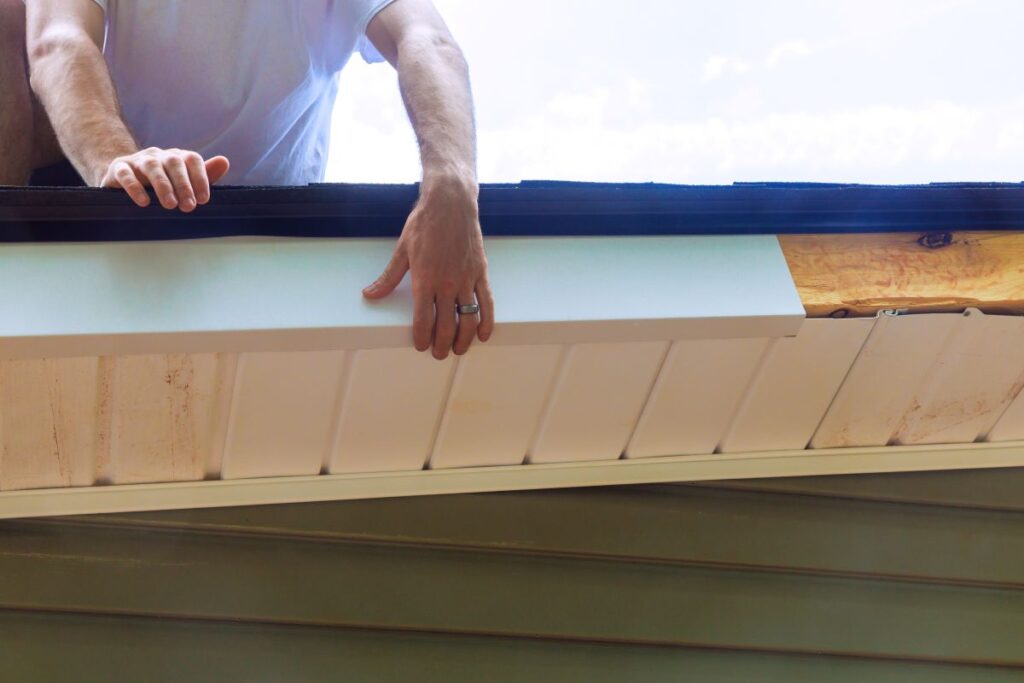
Hiring a professional ensures your fascia repair or replacement is done safely and correctly. Here’s what the process typically involves:
- Inspection & Diagnosis
A roofer or exterior contractor evaluates the condition of your fascia and adjacent components, such as soffits, drip edge, and gutters. - Gutter Removal (if applicable)
Gutters are carefully detached and set aside or replaced if needed. - Removal of Damaged Fascia
Rotted or soft boards are removed. The area is checked for mold or hidden damage behind the board. - Replacement or Repair
New fascia boards are installed and securely fastened. Material selection depends on budget, climate, and desired longevity. - Sealing & Painting
Wood or composite fascia is sealed and painted for protection. PVC and aluminum-wrapped fascia may skip this step. - Reinstallation of Gutters
Gutters are reinstalled, aligned correctly, and tested for water flow.
Most fascia jobs are completed in one day for average-sized homes, though extensive damage may take longer.
Final Thoughts and Why Fascia Deserves Attention
Though it may seem like a minor detail, fascia is essential to your roofing system’s strength, durability, and appearance. It supports your gutters, shields the edge of your roof, and helps keep pests and moisture out of your attic.
If your fascia is showing signs of wear or you’re planning a roof upgrade, now is the time to act. At Florida Roof Bros, we offer fascia inspection, repair, and replacement as part of our complete approach to roof care. Whether your home is near the beach or inland in Vero Beach and surrounding areas, our team can help you choose the right materials and timing for long-term protection.
To schedule an inspection or get an estimate for fascia replacement, contact us today and mention Florida Roof Bros in your message. We’re here to help you protect what matters most—starting with your roof.
Written By: Florida Roof Bros
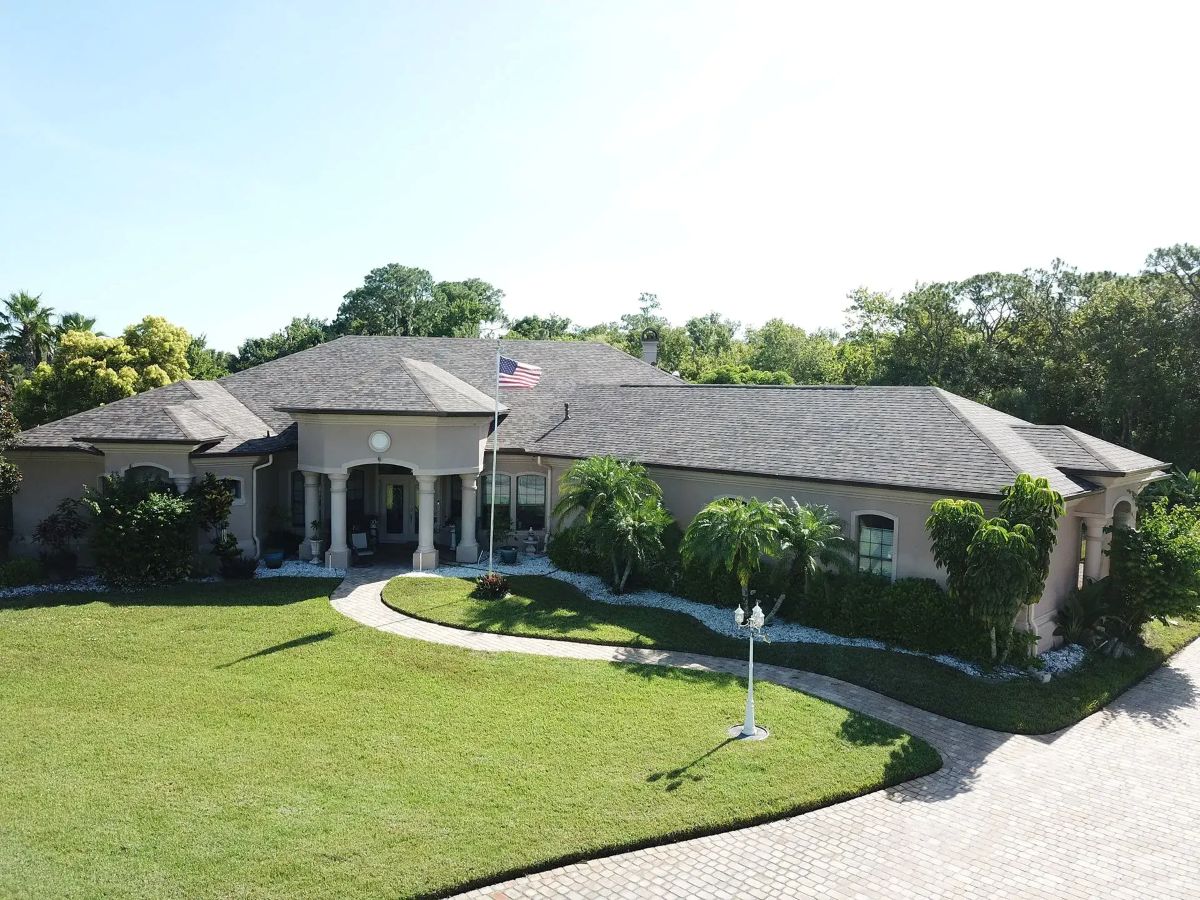
What Is the Best Roofing Material for Florida Homes? (Top 7)
Choosing the best roofing material for Florida homes isn’t just about style—it’s about surviving heat, storms, and humidity. Florida’s unique climate makes material choice critical for long-term protection and energy efficiency. To see how top-rated materials hold up in real-world conditions, explore how our team approaches residential roofing across the state.
What you’ll learn in this blog:
- Top-performing roofing materials for Florida’s climate
- Pros and cons of each material, including cost and durability
- How to match roofing types to your home’s style and location
- Local advice tailored to Rockledge and surrounding areas
Why Material Choice Matters in Florida
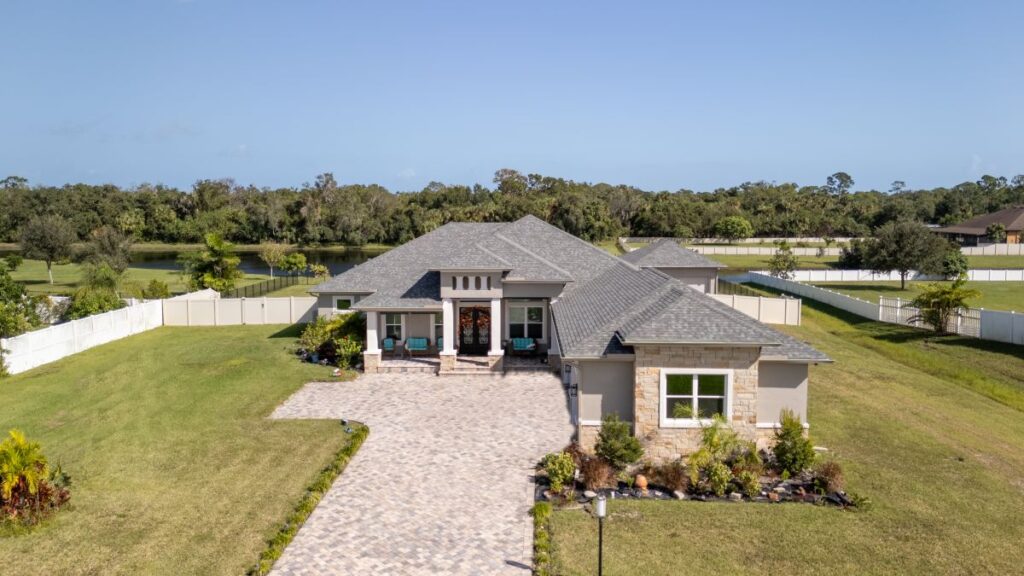
Roofing in Florida is about more than just good aesthetics. The state’s climate demands materials that are tough, efficient, and built for the long haul. The right choice can save you money and hassle for decades to come.
- Storm Resistance: Florida’s hurricane season brings high winds, heavy rain, and flying debris. Your roof must withstand it all.
- Sun Exposure: Year-round UV exposure can cause rapid deterioration in weak materials. Reflective surfaces last longer and help with energy savings.
- Humidity and Moisture: Constant moisture encourages mold, mildew, and rot in organic materials.
- Salt Air Durability: Coastal areas like Rockledge and surrounding areas deal with salt-laden air that corrodes metal and eats through fasteners.
- Insurance and Value: Impact-rated and fire-resistant materials can earn you discounts on insurance and boost your home’s resale value.
7 Best Roofing Materials for Florida Homes
Each roofing type offers unique benefits and trade-offs. Here’s how the top options compare.
1. Asphalt Shingles
Asphalt remains the most common roofing choice in Florida due to its affordability and wide availability. Modern architectural shingles hold up better than older 3-tab styles.
- Affordable and easy to install
- Available in various colors and designs
- Lifespan: 15–25 years with good maintenance
- May not withstand hurricane-force winds as well as other materials
2. Metal Roofing
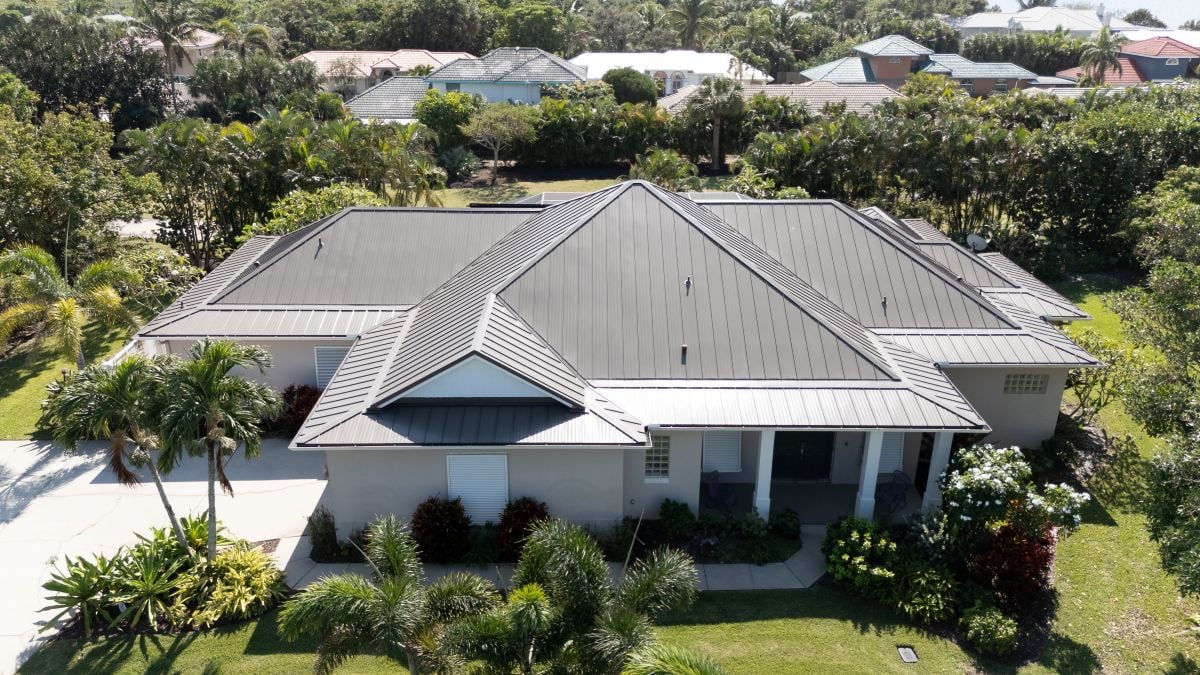
Standing seam and aluminum panels are increasingly popular in Florida thanks to their longevity and weather resistance.
- Withstands wind speeds over 140 MPH
- Reflects sunlight to reduce cooling costs
- Excellent against fire, mold, and mildew
- Lifespan: 40–70 years
- Higher upfront cost, but fewer repairs over time
3. Brava Roof Tile
These synthetic tiles mimic slate, shake, or clay—but are lighter and more durable.
- Made from recycled materials
- Class A fire rating and Class 4 impact resistance
- Won’t rot, fade, or crack under Florida sun
- Lightweight and HOA-friendly
- Lifespan: 50+ years
4. Clay and Concrete Tiles
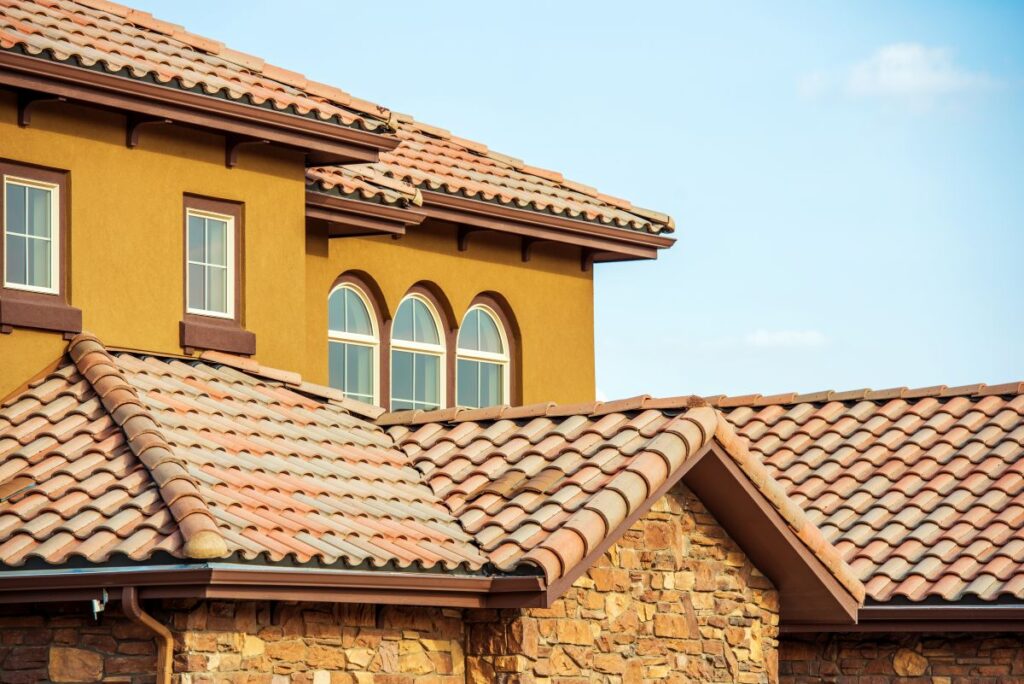
These are classic in Spanish or Mediterranean-style homes and perform well in Florida’s hot, sunny climate.
- Excellent heat resistance and long lifespan
- Durable against wind and pests
- Heavy—may require structural reinforcement
- Lifespan: 50–75 years
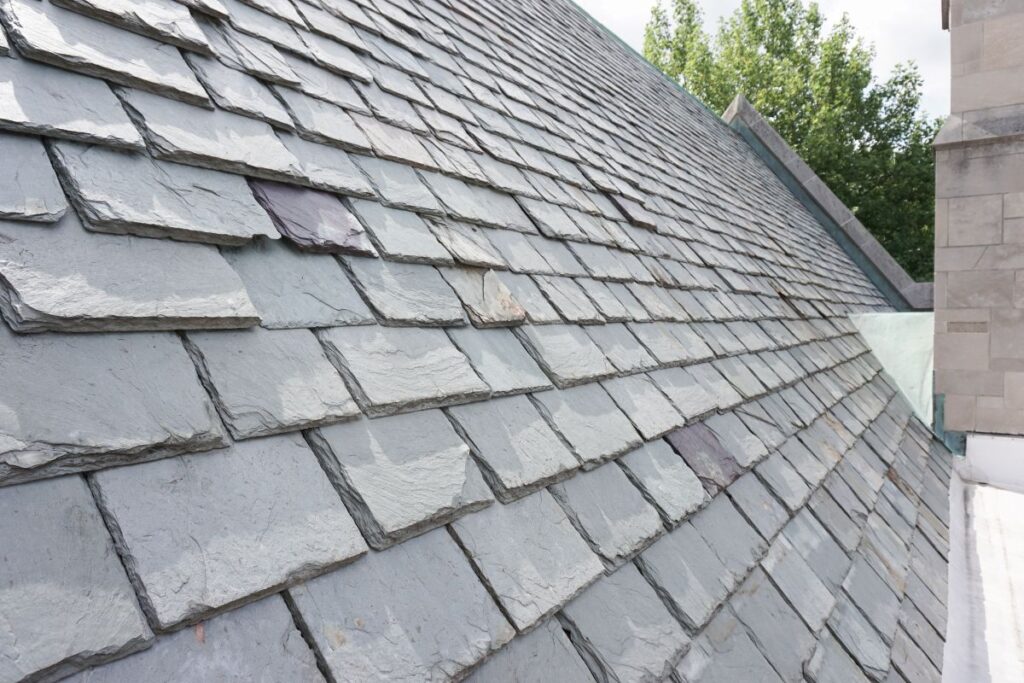
5. Slate
Slate is a natural stone with incredible longevity and classic appearance. It’s best for high-end homes that can support its weight.
- Lasts over 100 years
- Fireproof and very low maintenance
- Extremely heavy and expensive
- Not always ideal for coastal humidity
6. Wood Shake (Modified or Treated)
Traditional wood shakes struggle in Florida, but treated or synthetic wood shakes (like Brava) offer improved resistance.
- Beautiful natural look
- Synthetic versions offer UV and moisture resistance
- Real wood is high maintenance and prone to decay
- Lifespan: 20–40 years (synthetic can exceed that)
7. Flat Roofing with TPO or Modified Bitumen
Common on Florida homes with flat or low-slope sections, these materials are practical for certain architecture styles.
- TPO is reflective and energy-efficient
- Modified bitumen is flexible and easy to patch
- Good for additions, porches, or modern builds
- Lifespan: 20–30 years
Matching Material to Home Style and Location
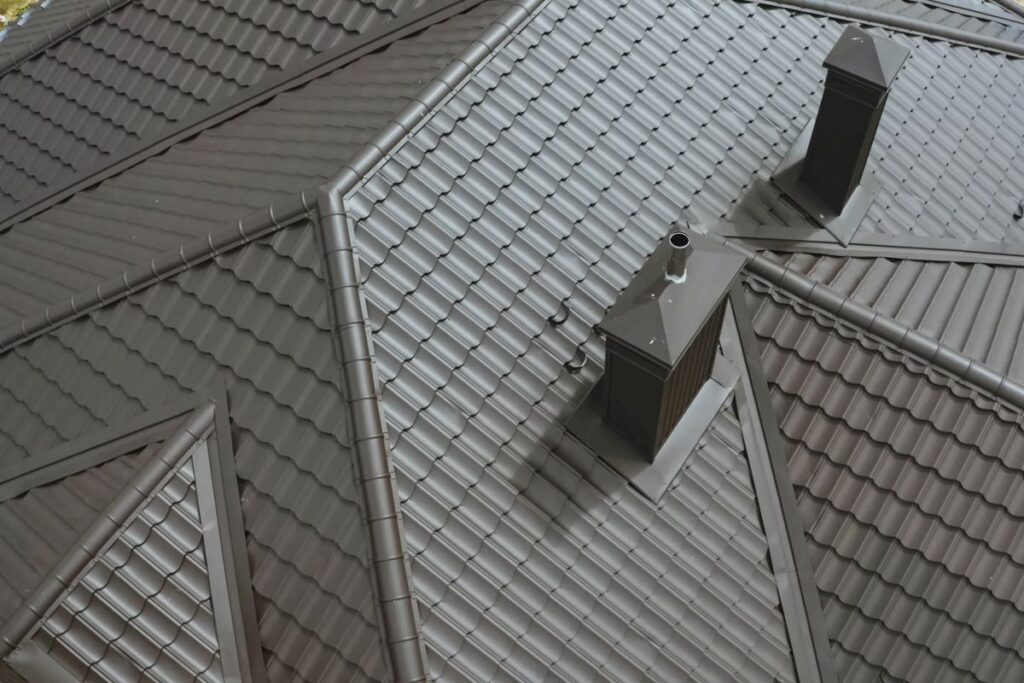
Your location, architecture, and personal goals all influence the best roofing choice.
- For coastal homes: Consider metal, synthetic tile, or aluminum panels that resist salt corrosion
- For historic neighborhoods: Brava or clay tile blends well while offering storm protection
- For budget-conscious homeowners: Architectural asphalt shingles offer decent protection and wide color variety
- For high-end properties: Slate or synthetic slate creates unmatched elegance with long-term ROI
Comparing Cost, Performance, and Maintenance
| Material | Avg. Lifespan | Wind Resistance | Cost ($–$$$$$) | Maintenance |
| Asphalt Shingles | 15–25 yrs | Good | $ | Moderate |
| Metal Roofing | 40–70 yrs | Excellent | $$$ | Low |
| Brava Tile | 50+ yrs | Excellent | $$$$ | Low |
| Clay/Concrete | 50–75 yrs | Excellent | $$$$ | Moderate |
| Slate | 100+ yrs | Excellent | $$$$$ | Low |
| Synthetic Shake | 30–50 yrs | Good–Excellent | $$$ | Low |
| TPO/Bitumen | 20–30 yrs | Good | $$ | Moderate |
Florida-Specific Tips for Roofing Success
Roof performance in Florida depends on smart installation and informed decisions. Here are key tips for success:
- Choose certified installers: Not all roofers understand Florida’s building codes or wind uplift requirements
- Prioritize ventilation: Proper airflow in your attic helps reduce heat and humidity damage
- Review insurance credits: Wind mitigation features may reduce your premium
- Consider reflective coatings: Energy-efficient options reduce your cooling bill significantly
- Plan around hurricane season: Schedule roofing projects for spring or early summer when weather is more stable
Real-World Examples in Rockledge and Surrounding Areas
Florida Roof Bros has helped hundreds of homeowners across Rockledge and surrounding areas choose the right roofing for their property’s needs. Here are a few examples that show how material choice makes a difference:
- A coastal homeowner in Rockledge replaced aging shingles with aluminum standing seam panels. The result? A sleek look, cooler attic temperatures, and reduced insurance costs.
- A growing family chose Brava synthetic shake for their Colonial-style home. It matched the neighborhood aesthetic, met HOA requirements, and provided better hurricane protection.
- A retiree in a shaded neighborhood opted for architectural asphalt shingles for budget and curb appeal. With proper ventilation and ridge venting, the home stayed cooler during summer.
Frequently Asked Questions About Florida Roofing Materials
- What is the most hurricane-resistant roofing material?
Metal roofing, Brava tile, and slate all have high wind ratings and are designed to withstand severe storm conditions. - Are metal roofs too noisy during rainstorms?
Not when installed correctly. With underlayment and attic insulation, metal roofs are no louder than shingles during storms. - Will a light-colored roof really make a difference in Florida?
Yes. Reflective or light-colored materials can reduce attic temperatures by 20–30 degrees, significantly lowering your AC usage and energy bills. - What roofing material lasts the longest in Florida?
Natural slate has the longest lifespan (100+ years), but Brava and metal roofing also offer impressive durability (50–70+ years) with less maintenance. - Can I install a new roof over my existing one?
In some cases, yes—especially with metal or synthetic tile. But it’s best to consult a professional for a structural and ventilation assessment. - How do I know which roofing material my HOA will approve?
Florida Roof Bros helps homeowners navigate HOA approvals. Brava, clay tile, and architectural shingles are commonly approved in Florida communities.
Final Thoughts on Choosing the Best Roofing Material
Florida’s environment is beautiful—but it’s also demanding. UV exposure, salt air, storms, and humidity all take a toll on your roof. Choosing the right material is more than a design decision; it’s a safeguard for your home, your energy bill, and your future.
At Florida Roof Bros, we take the time to understand your home’s needs, your location, and your goals. Our expert recommendations are backed by years of experience working with homeowners across Rockledge and surrounding areas. From shingles to tile, metal to slate—we’ve done it all.
If you’re ready to start your roofing project, or just want honest guidance on your options, contact us today and mention Florida Roof Bros. We’re here to help you find the perfect roofing solution—one that’s built to last in Florida.
Written By: Florida Roof Bros
9 Reasons to Consider Brava Roof Tiles
Looking for a roofing material that blends beauty, performance, and eco-conscious design? More Florida homeowners are turning to Brava roof tile for its ability to withstand heat, wind, and time—all while enhancing curb appeal. If you’re exploring roofing upgrades, it’s worth seeing how this option compares to traditional materials. You can learn more about installation and material options by checking out how our team handles premium roofing systems for Florida properties.
What you’ll learn in this blog:
- Top benefits of choosing Brava roof tiles in Florida’s climate
- Key design and performance differences compared to other roofing materials
- Cost, durability, and environmental considerations
- Expert insights tailored to Palm Bay and surrounding areas
What Makes Brava Roof Tiles Unique?
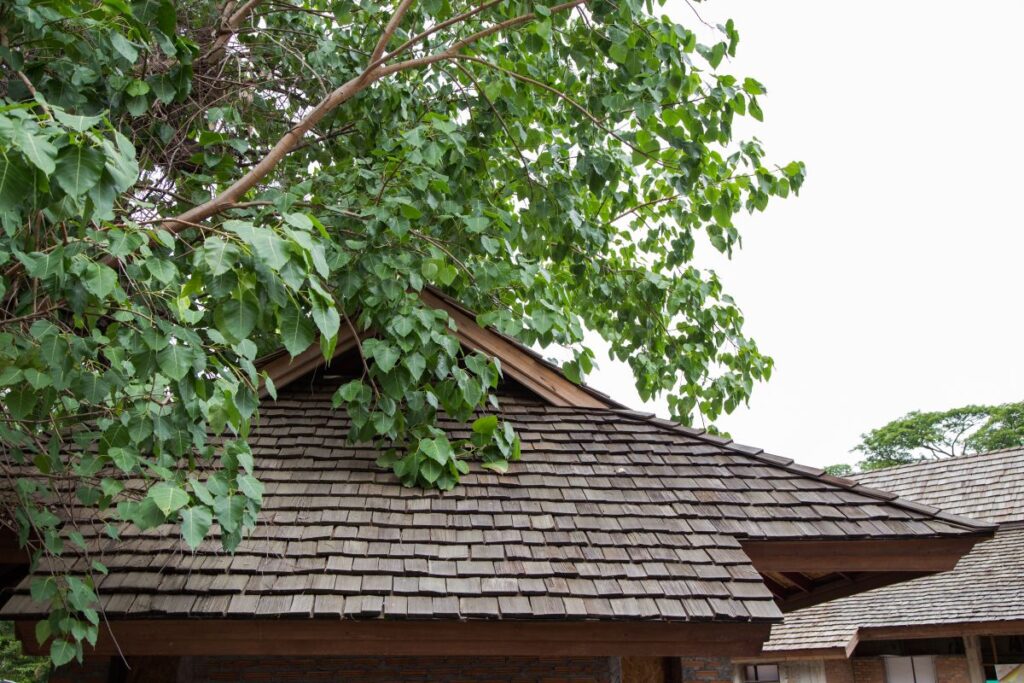
Brava roof tiles are a synthetic alternative to traditional slate, shake, and barrel tile roofs. Made from recycled materials, they’re engineered to offer the charm of natural materials without the downsides of weight, fragility, or high maintenance.
- Sustainable Materials: Brava tiles are made from recycled plastics and other composites, helping reduce landfill waste
- Lighter Weight: These tiles are significantly lighter than concrete or clay, making them easier and cheaper to install
- Impact & UV Resistant: Designed to endure hurricanes and harsh sunlight without cracking or fading
- Authentic Look: High-end molding processes replicate natural materials so well, you’d never know they’re synthetic
- Low Maintenance: Unlike real wood shake or clay tile, Brava requires no special sealing or fragile care
9 Reasons to Consider Brava Roof Tiles
If you’re on the fence about which material is right for your Florida home, these reasons can help guide your decision.
1. Extreme Weather Protection
Living in Palm Bay and surrounding areas means preparing for storms and sun. Brava tiles hold a Class 4 impact rating and are wind-tested up to 188 MPH.
- Excellent resistance to hail, debris, and high winds
- Class A fire rating for added peace of mind
2. Energy Efficiency
Brava’s cool roof technology helps reflect more sunlight and absorb less heat.
- Keeps attics cooler in summer
- Helps reduce your monthly energy bills
- May qualify for energy-efficiency tax credits or rebates
3. Authentic Curb Appeal
Whether you want Mediterranean, Colonial, or coastal charm, Brava tiles come in multiple profiles and colors.
- Cedar shake, slate, and Spanish barrel tile styles available
- UV-stable coloring avoids fading, even in Florida’s sun
- Custom color blending available for HOA or historic approvals
4. Lightweight Design
Traditional tile and slate roofs require extra structural support due to their weight. Brava’s lightweight design makes them a smart upgrade without modifying your roof framing.
- Easier and quicker to install
- Reduces labor costs and load-bearing concerns
5. Long-Term Durability
Unlike real wood or clay, Brava tiles don’t crack, rot, split, or absorb water.
- Backed by 50-year limited warranties
- Resistant to mold, mildew, pests, and salt air exposure
6. Eco-Friendly Manufacturing
Brava uses recycled content and is fully recyclable itself, making it a sustainable choice.
- Diverts plastic waste from landfills
- Lowers your home’s carbon footprint over time
7. Versatile for Florida Architecture
From Spanish villas to beachside bungalows, Brava tiles blend into almost any aesthetic common in Palm Bay and surrounding areas.
- Compatible with flat or pitched roofs
- Approved by many Florida HOAs for their realistic look
8. Easier Maintenance
No sealing, power washing, or special coating treatments are required.
- Resists algae and moss buildup
- Simple annual inspections are usually sufficient
9. Return on Investment
Because of its longevity, storm resilience, and aesthetic appeal, Brava often increases home value.
- Boosts resale potential
- Reduces lifetime repair and replacement costs
Comparing Brava Tiles to Other Roofing Materials
| Feature | Asphalt Shingles | Concrete/Clay Tile | Natural Slate | Brava Roof Tile |
| Lifespan | 15–25 years | 30–50 years | 75+ years | 50+ years |
| Weight | Light | Very Heavy | Very Heavy | Light |
| Storm Resistance | Moderate | Good | Excellent | Excellent |
| Maintenance | Medium | High | High | Low |
| Curb Appeal | Average | High | Very High | Very High |
| Cost | $ | $$$ | $$$$ | $$$ |
| Eco-Friendliness | Low | Medium | Low | High |
Brava gives you the best of several worlds: appearance, performance, and sustainability.
Florida-Specific Performance Advantages
Florida’s roofing challenges are different than other states. Brava is uniquely suited to hold up in this environment.
- Hurricane Readiness: Lab-tested to withstand Category 5 wind speeds
- Salt Air Compatibility: Great for coastal properties near Palm Bay and surrounding areas
- UV Stability: Color won’t bleach or warp in year-round sunshine
- Pest Resistance: Insects and critters don’t chew or nest in synthetic materials
Is Brava Right for Your Home?
Before choosing Brava tiles, consider a few practical points:
Roof Pitch and Size
Brava tiles are ideal for roofs with moderate to steep pitches. Your contractor will verify slope compatibility and layout.
HOA or Historic Requirements
Brava offers customized blends and profiles to meet aesthetic or regulatory needs, common in coastal or older Florida communities.
Budget and Goals
While more expensive than shingles, Brava tiles save money over time through fewer repairs and better efficiency.
- Great choice if you want a premium look and long-term performance
- Financing options may be available for qualified homeowners
Understanding Installation and Warranty Details
Installation is easier than clay or slate, but still requires experienced hands.
- Walkable without breakage, unlike traditional tile
- May not require full tear-off depending on roof structure
- Backed by a 50-year manufacturer warranty on materials
Some contractors also offer their own labor warranties for added protection.
Additional Considerations for Florida Homeowners
- Insurance Savings: Brava’s impact resistance may lower your premiums
- Sound Insulation: Quieter than metal during rain or storms
- Curb Appeal: Helps your home stand out in real estate listings
Real-World Examples in Palm Bay
Palm Bay and surrounding areas are seeing more Brava installations in:
- Coastal neighborhoods that demand salt-resistant roofing
- Historic zones where Brava’s authentic tile appearance fits local style
- HOAs that require high-end finishes for roof replacements
FAQs About Brava Roof Tile
- How long do Brava tiles last in Florida?
50+ years with professional installation and minimal maintenance. - Are they noisy during storms?
No. They’re quieter than metal and comparable to other premium options. - Will they meet HOA approval?
In most cases, yes. Brava provides specs and samples to help you through the approval process. - Are Brava tiles walkable?
Yes, unlike traditional slate or clay, Brava can be walked on carefully without cracking. - Are they worth the extra cost?
For homeowners looking for long-term value, aesthetics, and performance, Brava delivers excellent ROI.
Homeowner Checklist: Is Brava the Right Fit?
- I want a roof that mimics clay, slate, or cedar shake without the weight
- My home is in a storm-prone area or coastal environment
- I value long-term savings over low upfront costs
- My HOA allows or encourages architectural-style roofing
- I prefer a low-maintenance option that still looks great
If you answered “yes” to most of these, Brava could be a smart investment for your property.
Why Choose Florida Roof Bros?
We don’t just install roofs—we help you protect your home with materials and workmanship that last. From our first meeting to the final inspection, Florida Roof Bros is committed to honesty, education, and top-tier craftsmanship. We understand Florida’s unique challenges and guide every homeowner through informed, confident decisions.
To explore whether Brava roof tile is right for your home or to request a personalized quote, contact us today and mention Florida Roof Bros. We proudly serve Palm Bay and surrounding areas with premium roofing solutions designed for the Florida lifestyle.
Written By: Florida Roof Bros
Metal Roofing
How to Install Metal Roofing: 8 Pro Tips from a Local Roofer
Thinking about upgrading your roof to something tougher and more efficient? Understanding how to install metal roofing gives you insight into why this durable option is growing in popularity. From better energy performance to storm resistance, metal roofs offer major benefits for Florida homes. If you’re curious about installation details or what the process looks like locally, take a look at how our team handles metal roofing systems for Florida homeowners.
What you’ll learn in this blog:
- Key benefits of installing a metal roof in Florida
- Step-by-step breakdown of the installation process
- Mistakes to avoid during metal roof installation
- Local insights for Melbourne Beach and surrounding areas
Why More Homeowners Are Choosing Metal Roofing
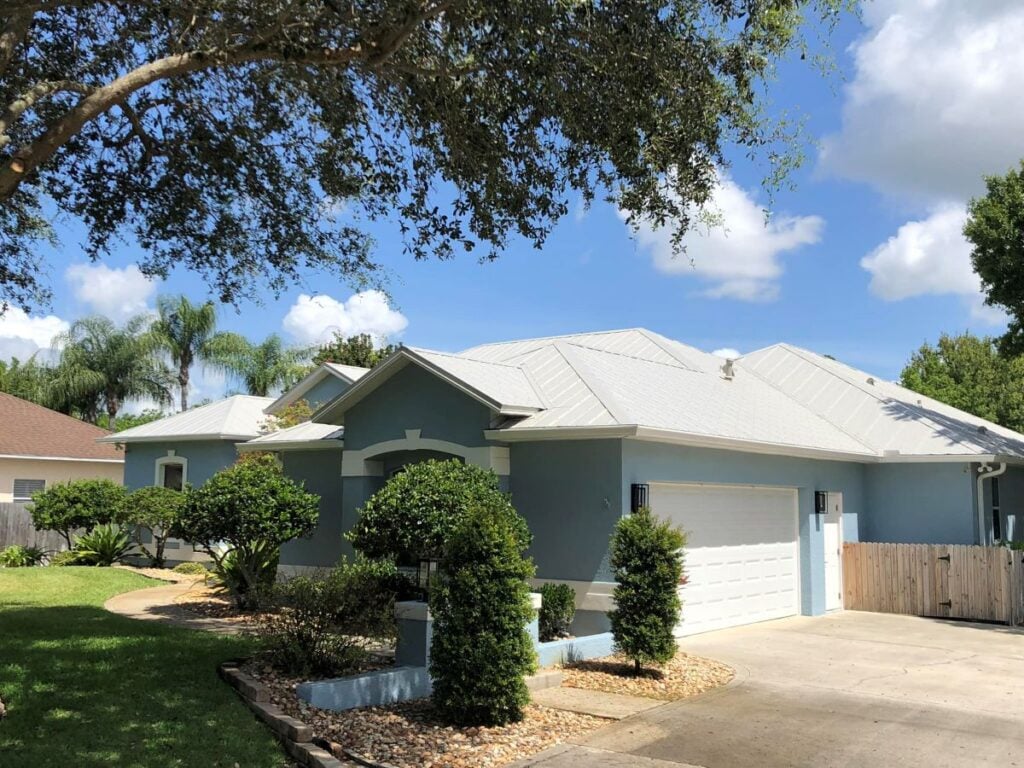
If you’re in Melbourne Beach and surrounding areas, you’ve likely seen more metal roofs going up in your neighborhood. That’s no coincidence. Florida homeowners are turning to metal roofing for durability and peace of mind.
- Storm Protection: Metal roofs are highly wind-resistant and perform well during hurricanes and tropical storms.
- Energy Efficiency: Many metal panels reflect solar heat, reducing your cooling costs in the Florida sun.
- Longevity: With proper installation, metal roofing can last 40–70 years, outlasting asphalt by decades.
- Low Maintenance: Unlike shingles, metal doesn’t crack or warp and sheds water easily.
- Sustainability: Most metal roofing is made from recycled materials and can be recycled again after use.
8 Pro Steps: How to Install Metal Roofing the Right Way
Professional installation involves attention to detail, correct materials, and weather-aware scheduling. Here’s how the process is typically handled:
1. Inspect and Prepare the Roof Deck
Before installation, the existing roof decking is inspected for rot, warping, or damage. Bad sections are replaced to ensure a solid base.
- Deck must be smooth and clean
- Any leftover nails or fasteners are removed
- Plywood decking should be at least ½-inch thick
2. Install Underlayment
Roofing underlayment acts as a moisture barrier between your roof deck and the metal panels.
- Synthetic underlayment is preferred in humid areas like Melbourne Beach
- Ice and water shield may be added in valleys or at eaves
3. Apply Closure Strips and Drip Edge
Foam closures seal off panel ends, and metal drip edge flashing helps guide water safely away.
- Drip edge is installed along eaves and rakes
- Helps prevent damage to fascia and trim
4. Install Metal Panels
Panels are aligned and installed from the bottom up, overlapping for proper drainage.
- Screws with rubber washers are spaced according to manufacturer specs
- Sealant tape may be used at seams
5. Add Flashing Around Features
All penetrations (chimneys, skylights, vents) are protected with custom flashing.
- Flashing is sealed with caulk or butyl tape
- Proper flashing prevents most common leak issues
6. Secure Ridge Cap
This covers the roof peak and helps promote attic ventilation.
- Ridge vents improve airflow
- Closure strips block out pests and water
7. Double-Check Fasteners
Each screw is inspected to ensure it’s seated properly and sealed.
- Loose screws are tightened or replaced
- Overdriven fasteners are corrected
8. Final Inspection & Cleanup
The crew walks the roof and surrounding area to clean up all materials.
- Magnetic sweepers remove loose screws or nails
- Debris is hauled away to keep your yard safe
Mistakes to Avoid When Installing Metal Roofing
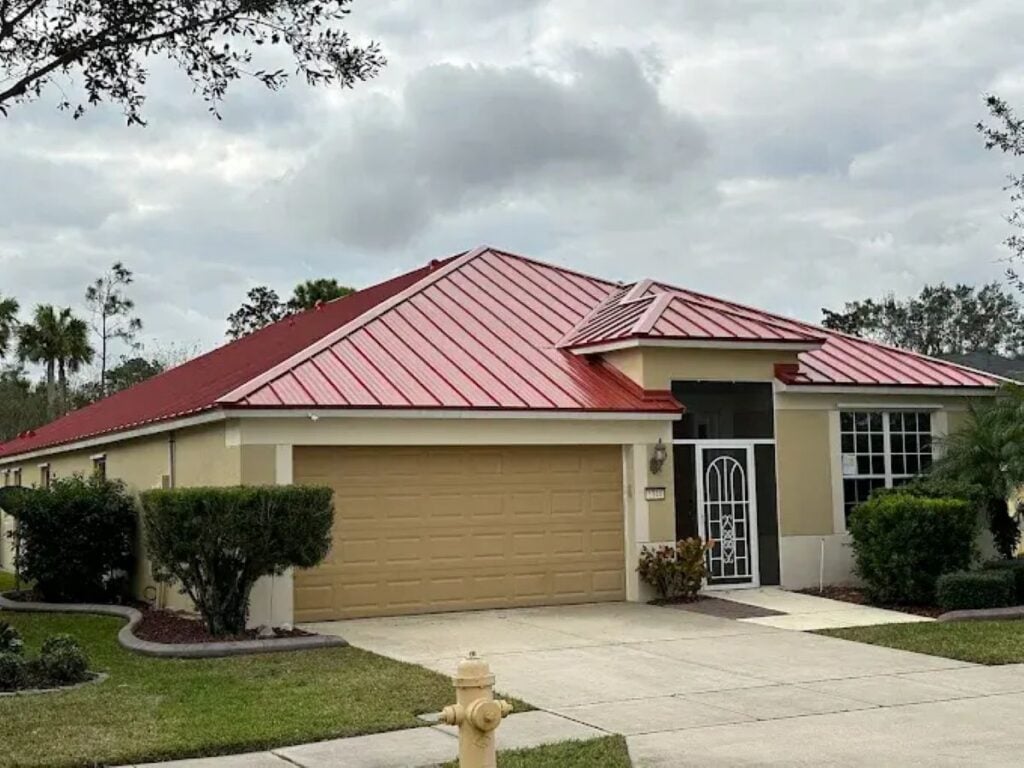
- Wrong Fasteners: Screws with improper sealing or coating will rust or leak.
- Improper Panel Alignment: This not only looks bad but weakens the waterproof seal.
- Skipping Underlayment: Essential for moisture control and secondary protection.
- Inadequate Flashing: Poor flashing is the top reason for metal roof leaks.
- No Ventilation: Overheated attics damage shingles and reduce efficiency.
- Mixed Metals: Using dissimilar metals can cause galvanic corrosion.
Choosing Between Metal Roofing Types
| Type | Look | Cost | Lifespan | Notes |
| Standing Seam | Modern vertical lines | $$$$ | 40–70 yrs | Hidden fasteners, premium finish |
| Corrugated Panels | Wavy or ribbed | $$ | 30–50 yrs | Budget-friendly, exposed screws |
| Metal Shingles | Mimics slate/shake | $$$$ | 50+ yrs | High curb appeal |
| Aluminum Panels | Flat/smooth or textured | $$$ | 40–60 yrs | Excellent near saltwater |
In Melbourne Beach and surrounding areas, aluminum and galvalume panels are often recommended due to coastal conditions.
Florida-Specific Tips for Installing Metal Roofing
- Reflective Coatings: Choose light colors or ENERGY STAR-rated panels to lower cooling costs.
- Hurricane-Grade Materials: Fasteners and panels should meet Florida’s building codes.
- Salt-Resistant Materials: Coastal homes benefit from aluminum or galvalume instead of steel.
- Noise Reduction Add-ons: Underlayment with sound-dampening properties helps minimize noise.
- Pre-Storm Installations: Schedule projects in spring or early summer when weather is more predictable.
Understanding the Cost of Metal Roof Installation
Metal roofing costs more upfront, but long-term value is where it shines. Average ranges in Melbourne Beach and surrounding areas:
- Per Square Foot: $7–$14 installed
- Total Average: $12,000–$30,000+
- Standing Seam: Costs more due to labor-intensive install
Durability, energy savings, and fewer repairs help offset the initial investment over time.
DIY vs. Professional Metal Roof Installation
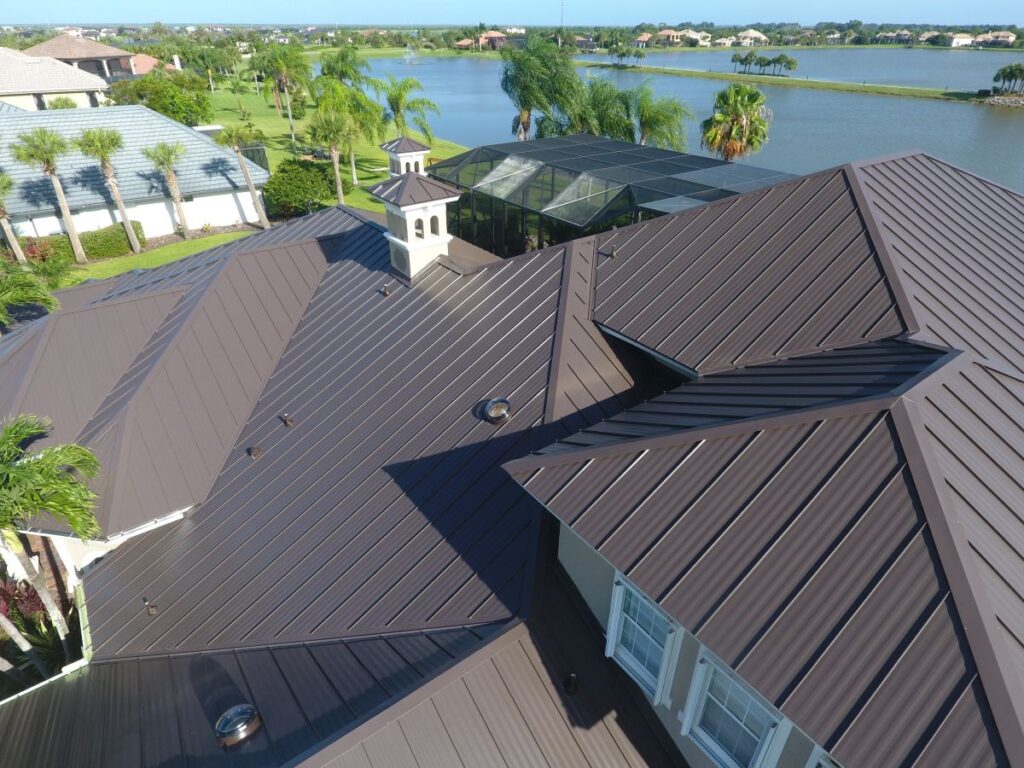
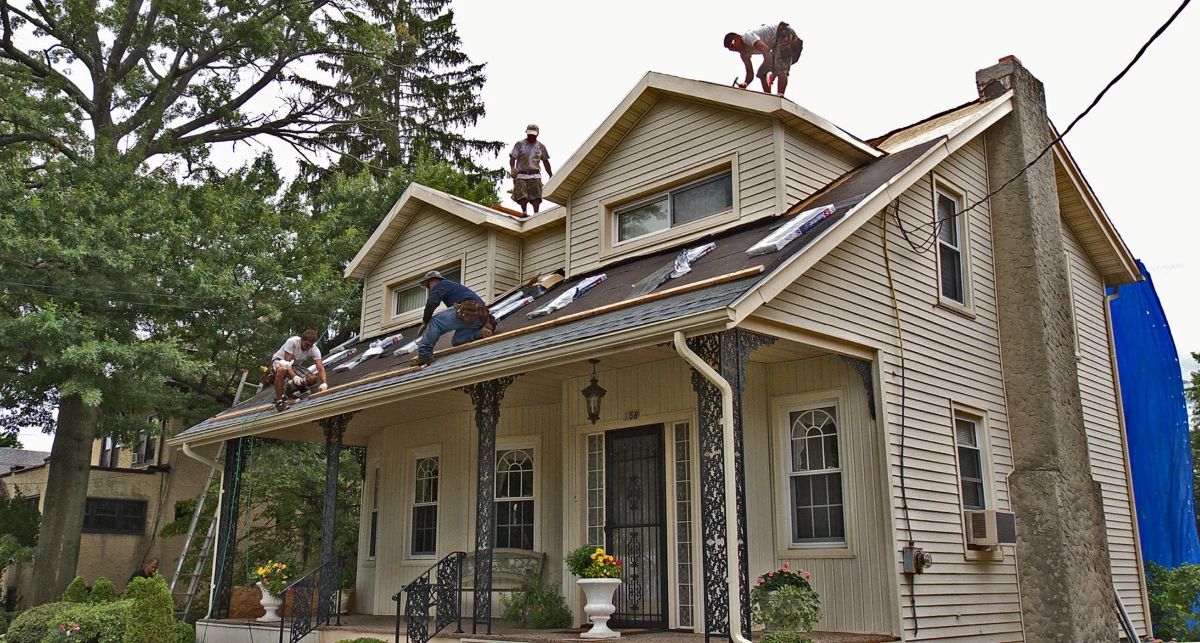
DIY installation might work for smaller sheds or very simple roofs, but residential homes are another matter.
- Safety risks: Working on steep slopes requires training and equipment
- No warranty: Most manufacturers require pro installation for warranty coverage
- Complex details: Flashing, ventilation, and sealant work must be done perfectly
Professional installers in Melbourne Beach and surrounding areas bring code knowledge, experience, and efficiency that DIY just can’t match.
What Questions Should You Ask Your Roofer?
Before signing a contract, ask:
- What panel type do you recommend for this location?
- How do you handle attic ventilation and flashing?
- Do you offer workmanship warranties?
- Are your installers certified for the metal system used?
- Will the quote include debris removal and permits?
Getting clear answers protects your home and budget from surprises.
Need Help With Metal Roof Installation in Melbourne Beach?
Choosing metal roofing is an investment in long-term performance, energy savings, and home protection. But the success of your installation depends heavily on the team behind it. Florida Roof Bros takes pride in offering customized guidance, clean craftsmanship, and honest pricing to every customer we serve. Let us help you protect your home the right way—with a roof that’s built to last in Florida’s unique climate.
To schedule a consultation or request a quote, contact us today and mention Florida Roof Bros. We proudly serve Melbourne Beach and surrounding areas with trusted roofing solutions.
Written By: Florida Roof Bros
How Much Should Roof Leak Repair Cost?
If you’ve spotted water stains on your ceiling or noticed a musty smell in your attic, you’re probably wondering: how much should roof leak repair cost? It’s one of the most common homeowner questions—and for good reason. Roof leaks don’t just cause surface damage; they can affect your home’s structure, safety, and resale value. You can learn more about how we handle these situations by visiting our page on professional roof solutions tailored to Florida homes.
What you’ll learn in this guide:
- Key factors that influence roof leak repair cost
- The most common sources of roof leaks and how they’re fixed
- What to expect from a repair quote in Palm Bay and surrounding areas
- Smart tips for saving money on repairs without cutting corners
Why Roof Leak Repair Cost Matters
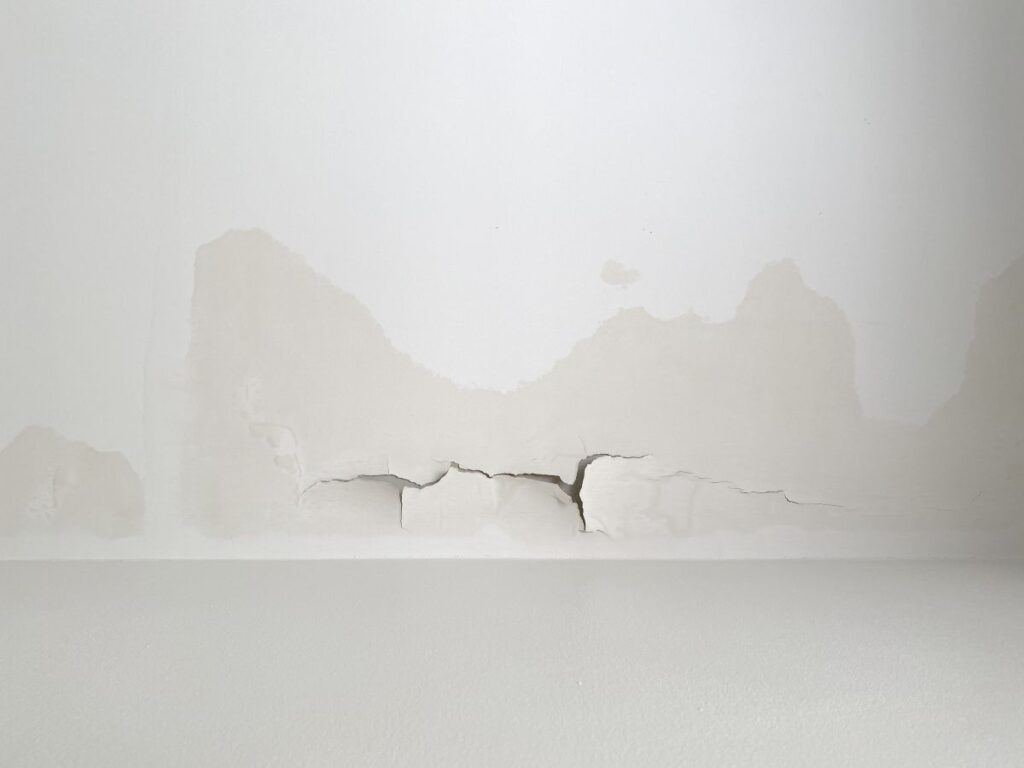
Roof leaks are more than just an inconvenience—they’re a signal that your home may be at risk. Understanding how cost factors into repairs empowers you to act quickly and avoid greater damage.
- Prevent Structural Damage: Moisture can rot wood framing, ruin insulation, and damage drywall, leading to costly repairs if left unchecked.
- Protect Home Value: Visible water damage can reduce your home’s curb appeal and resale price during inspections.
- Avoid Mold Exposure: Lingering moisture often leads to mold growth, which is a health hazard and expensive to remediate.
- Maintain Energy Efficiency: Wet insulation loses its R-value, forcing your HVAC system to work harder and costing you more on utilities.
- Plan for Future Repairs: Knowing what a leak repair typically costs helps you plan smarter for routine maintenance or eventual replacement.
6 Factors That Affect Roof Leak Repair Cost
Every roof and every leak is different, but several core factors play a big role in the price of roof leak repair. Here’s a closer look.
1. Type of Roofing Material
Your roofing material directly affects both the price of materials and labor. Some types are easier and cheaper to repair than others.
- Asphalt Shingles: Among the most affordable options. Repairs are typically straightforward.
- Metal Roofing: Durable but more complex to fix, especially around seams or fasteners.
- Tile or Slate Roofing: These materials are heavy, fragile, and require specialized tools and training to repair.
Expect a significant price difference between a basic asphalt fix and a slate tile patch.
2. Leak Location & Accessibility
Where your leak is and how easy it is to access will impact labor costs.
- Areas near chimneys, valleys, skylights, or vents require extra time and detail.
- Steep-slope roofs or multi-story homes may need additional safety equipment or longer setup times.
Contractors in Palm Bay and surrounding areas often assess these conditions during their initial inspection to determine repair complexity.
3. Extent of the Damage
Minor leaks are quicker to fix. But when water intrusion has been happening over time, the damage might be deeper than what’s visible.
- Soaked decking and rotted framing may need replacement.
- Mold or mildew growth often requires material removal and treatment.
- Damaged underlayment might call for a section of the roof to be stripped and rebuilt.
If your ceiling is sagging or drywall is soft to the touch, expect a more extensive and expensive fix.
4. Labor Rates in Your Area
Local rates fluctuate based on seasonal demand, availability of skilled labor, and regional economic conditions. In Palm Bay and surrounding areas, labor rates remain competitive, but you might see slight price hikes during hurricane season or after major storms.
- Emergency calls and after-hours repairs typically carry a premium
- Licensed, insured contractors may cost more upfront but offer long-term protection
Always ask whether cleanup and disposal are included in labor estimates.
5. Roof Age and Condition
Older roofs tend to need more than just a quick fix. Even if the leak seems isolated, aged shingles or brittle materials may lead to more problems during or after the repair.
- Repairs may not adhere well to worn-out surfaces
- A patch today could mean a full replacement is just around the corner
If your roof is 15–20 years old, a contractor may recommend proactive planning for a new roof instead of frequent short-term fixes.
6. Permit or Inspection Requirements
Depending on your municipality and the scope of the repair, you might need a permit or inspection. This is especially common if the decking is being replaced or structural work is involved.
- Permit costs vary but often range from $100–$300
- Inspections ensure work meets Florida’s strict building codes, especially for storm preparedness
Reputable contractors will handle the paperwork for you but include these costs in their estimates.
Typical Roof Leak Repair Costs in Palm Bay
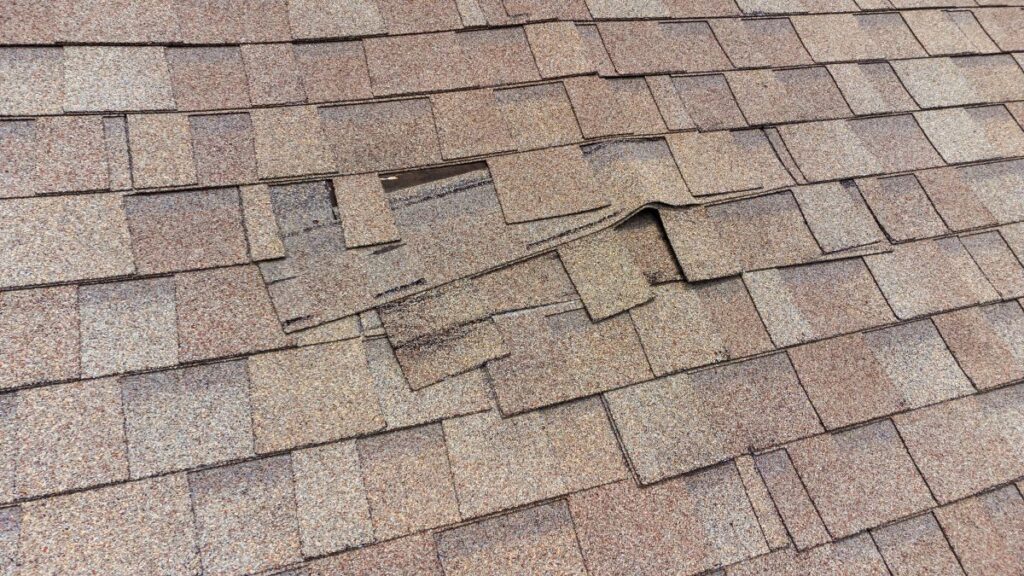
Pricing varies by region, but here’s a general breakdown of what you can expect for roof leak repairs in Palm Bay and surrounding areas.
| Type of Repair | Estimated Cost Range |
| Minor Leak (shingle patch, nail pop) | $150 – $400 |
| Moderate Leak (flashing, small underlayment issue) | $400 – $1,000 |
| Major Leak (decking rot, interior damage) | $1,000 – $3,000+ |
Note: If water has reached the inside of your walls or attic, interior restoration can add another $500–$2,000, depending on the scope.
What’s Included in a Professional Leak Repair Quote?
A clear estimate from a trusted contractor should break down all aspects of the job. Here’s what’s typically included:
- On-site inspection: Evaluation of leak source, roof condition, and surrounding materials
- Labor and materials: Includes shingles, flashing, sealant, or other components
- Protective measures: Tarping or temporary covers if needed before work begins
- Debris removal: Cleanup and disposal of damaged materials
- Warranty info: Some companies offer short-term warranties on their repairs
Ask for a written estimate with itemized costs, and make sure it includes any potential extras (like permit fees or emergency response).
Ways to Reduce Costs Without Sacrificing Quality
Repairing a roof leak doesn’t have to empty your wallet. Here are several smart ways to lower the cost of repair while still protecting your home.
Schedule Repairs Promptly
Delaying a leak repair can turn a $300 job into a $3,000 rebuild. Act as soon as you see signs of damage.
Work With Local Experts
A contractor familiar with Palm Bay and surrounding areas will understand local weather patterns, common roofing styles, and building codes—all of which impact cost and efficiency.
Compare 2–3 Quotes
Don’t just go with the cheapest offer. Compare scope, labor details, and warranty terms.
Inquire About Partial Repairs
If your roof is still relatively new and damage is localized, a partial repair could save thousands compared to a full replacement.
Use Preventive Maintenance
Routine roof inspections can spot minor issues before they become major ones. Preventive upkeep often extends your roof’s life and keeps repair costs low.
Is Roof Repair Covered by Insurance?
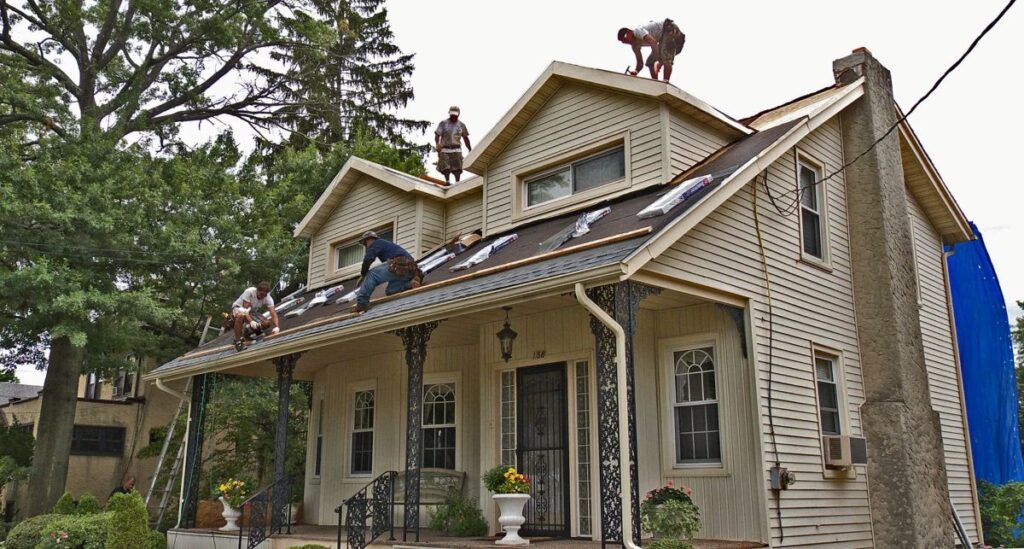
It depends on the cause of the leak and your policy. In general:
- Covered: Sudden storm damage, wind uplift, falling tree limbs
- Not Covered: Long-term wear, lack of maintenance, manufacturer defects
Here’s how to improve your odds of a successful claim:
- Take photos before and after the repair
- Save invoices, inspection reports, and permit documentation
- Work with a contractor who understands the insurance process
If your roof is under 10 years old and the damage is clearly storm-related, your insurer may cover some or all of the cost—minus your deductible.
Don’t Wait: Fix That Leak the Right Way
A leaky roof might start small, but it rarely stays that way. Acting quickly can help you avoid thousands in future damage and protect your most valuable investment—your home.
At Florida Roof Bros, we help homeowners in Palm Bay and surrounding areas with honest, reliable roof leak repairs that stand up to Florida’s unpredictable weather. Whether you’re dealing with a few lifted shingles or a more serious issue, our experienced team is here to help. To schedule an inspection or request a custom quote, contact us today and let Florida Roof Bros protect what matters most.