

Articles
Roof Leak Repair Guide: Explained in 7 Easy Steps
When you notice water stains on your ceiling or hear dripping sounds during a rainstorm, it’s a clear sign that you may need roof leak repair. Addressing roof leaks promptly can prevent costly damage to your home’s structure and interior. Whether you’re dealing with a minor drip or a more significant leak, knowing the basics of effective roof leak repair is essential. For professional assistance, exploring expert general roofing services can provide the support you need to keep your roof in top shape.
- Understand the common causes of roof leaks.
- Learn the essential steps to inspect and repair leaks safely.
- Identify when to call in professional roofing help.
- Get tips to maintain your roof and prevent future leaks.
Why Roof Leak Repair Is Crucial for Every Homeowner
Roof leaks are more than just a nuisance—they can lead to significant structural damage, mold growth, and increased energy costs if left untreated. Repairing leaks quickly ensures your home remains safe and comfortable year-round. Knowing the causes of leaks and how to address them empowers homeowners to protect their investment efficiently.
- Structural Integrity: Water infiltration weakens roofing materials and the underlying support, potentially leading to costly repairs.
- Health Concerns: Persistent moisture fosters mold and mildew growth, which can harm indoor air quality.
- Energy Efficiency: Roof leaks can cause insulation to deteriorate, driving up heating and cooling costs.
- Property Value: Maintaining a leak-free roof preserves curb appeal and resale value.
- Safety: Wet surfaces and compromised ceilings can pose safety hazards to occupants.
7 Easy Steps to Effective Roof Leak Repair
While some roof leaks may require professional expertise, many minor leaks can be addressed by homeowners following these straightforward steps. This guide outlines seven easy actions to help you perform roof leak repair safely and efficiently.
1. Locate the Leak Source
The first step is to accurately identify where the leak is coming from. This can be tricky because water often travels along rafters or fan out underneath roofing materials.
- Inspection Tips: Look for water stains on ceilings or walls, check attic spaces for wet insulation, and examine the roof surface for damaged or missing shingles.
- Use Tools: A flashlight can reveal subtle signs like mold or corrosion.
2. Assess the Roof Condition
Determine the extent of the damage and whether temporary or permanent repair is needed.
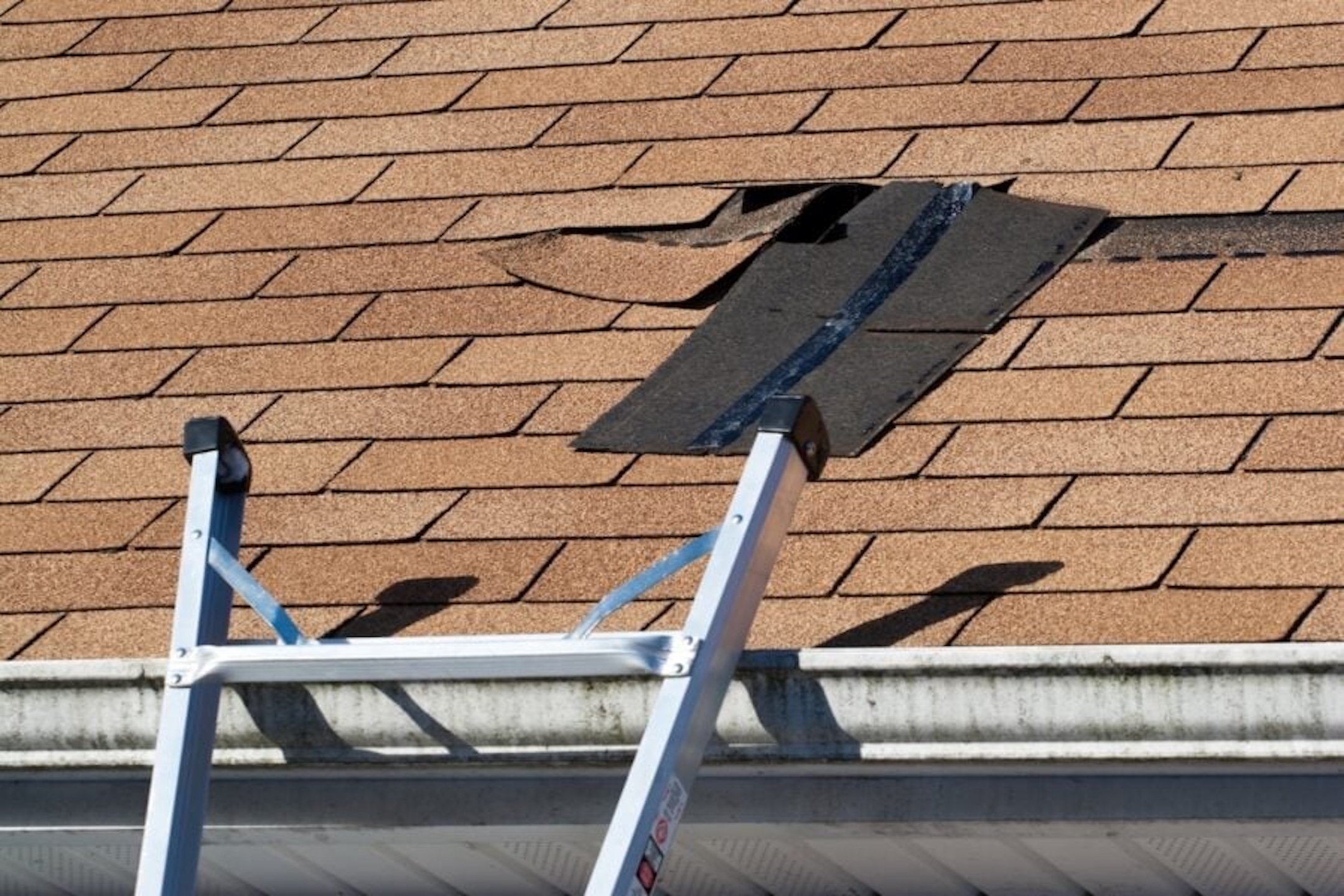
- Damage Evaluation: Look for cracked flashing, loose shingles, punctures, or gaps around vents and chimneys.
- Safety Check: Avoid walking on steep or fragile surfaces; consider hiring a professional if unsure.
3. Prepare the Repair Area
Clear debris like leaves and dirt from the affected area to ensure proper adhesion of repair materials.
- Tools Required: A broom, scraper, and possibly a garden hose to clean the surface.
- Dry Surface: Repairs stick best on dry surfaces, so wait for a dry day if possible.
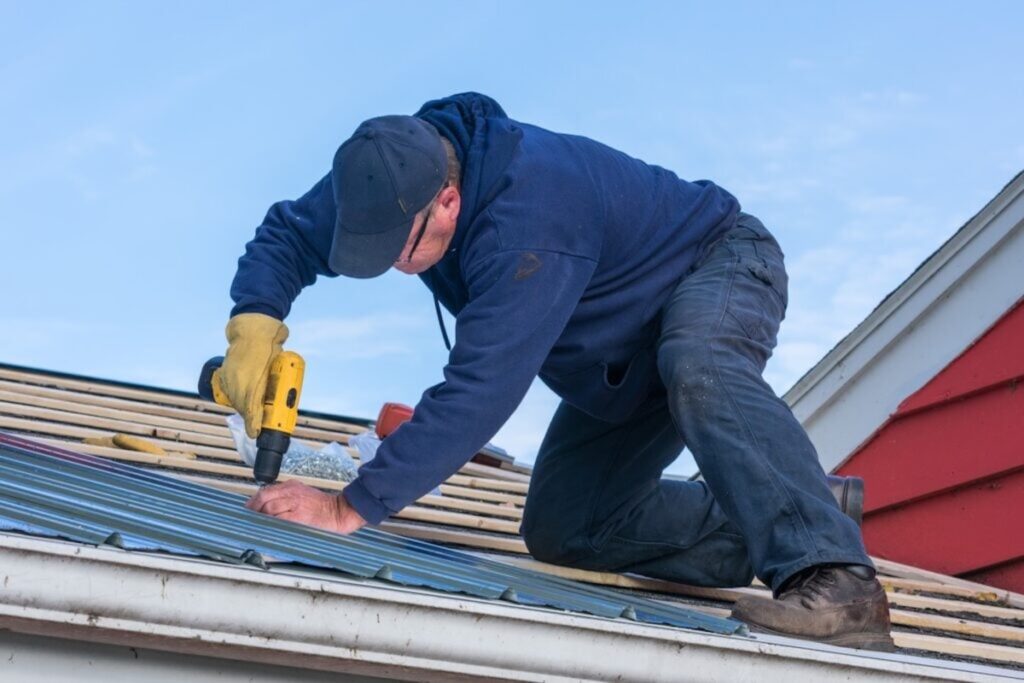
4. Apply Roofing Sealant or Patch
Many leaks can be stopped with specialized roofing sealants or patches designed for the roofing material you have.
- Sealant Selection: Use a sealant compatible with your roof type (asphalt, metal, tile, etc.).
- Application: Follow manufacturer instructions carefully, applying sealant evenly over cracks or holes.
5. Replace Damaged Shingles or Flashing
If you identify shingles or flashing that are severely compromised, they may need replacement to ensure a watertight seal.
- Removal: Gently lift the surrounding shingles and remove nails from damaged pieces.
- Installation: Slide in new shingles or flashing, secure with roofing nails, and seal edges with roofing cement.
6. Test the Repair
After completing repairs, test whether the leak has been stopped.
- Water Test: Use a garden hose to simulate rainfall over the repaired area and check inside for any signs of moisture.
- Inspection: Return to the attic or ceiling to confirm that the leak is no longer present.
7. Maintain Regular Roof Inspections
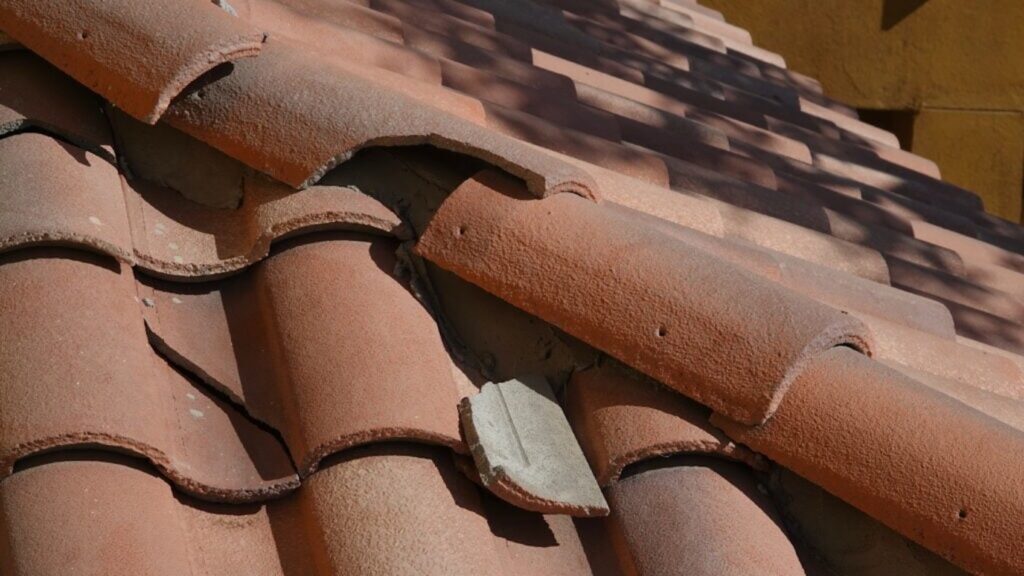
Routine inspections help catch small problems before they escalate into major leaks, extending your roof’s lifespan.
- Frequency: Inspect at least twice a year, ideally in spring and fall.
- Professional Help: Engage roofing experts annually for thorough assessments and maintenance.
Additional Tips for Preventing Roof Leaks
In addition to repairing existing leaks, preventive measures are key to avoiding future problems. Keeping your roof in good shape protects your home over the long term.
- Gutter Maintenance: Clean gutters and downspouts regularly to ensure proper water drainage away from the roof.
- Trim Trees: Cut back branches that could fall or rub against shingles damaging them.
- Insulation and Ventilation: Proper attic insulation and ventilation prevent condensation build-up that can cause leaks.
- Address Ice Dams: In cooler climates, keep roof edges clear of ice to prevent water backing up under shingles.

Common Roof Leak Repair Methods Compared
Choosing the right repair solution depends on the leak’s cause, roof type, and damage severity. This comparison can help you identify the ideal approach for your situation.
| Repair Method | Best For | Advantages | Limitations |
| Roofing Sealant | Small cracks and pinholes | Quick, affordable, DIY-friendly | Not a permanent fix for large damage |
| Patching with Roofing Tape | Medium-sized holes or tears | Flexible, waterproof, easy to apply | Surface must be clean and dry for adhesion |
| Shingle Replacement | Damaged or missing shingles | Restores roof integrity and appearance | Requires careful installation, may be time-consuming |
| Flashing Repair/Replacement | Leaks around chimneys, vents, and skylights | Durable and effective at sealing joints | Often requires professional skills |
| Full Roof Replacement | Extensive damage or aging roofs | Long-term solution, increases home value | High cost and disruption |
Next Steps: Protect Your Home with Expert Roof Leak Repair
Understanding how to approach roof leak repair empowers you to maintain your home’s safety and comfort. Whether tackling minor fixes yourself or opting for professional roofing help, timely action prevents costly damage down the road. Florida Roof Bros is ready to assist with comprehensive roofing solutions tailored to your needs in Florida and surrounding areas. To learn more or schedule a consultation, contact us today.

Written By: Florida Roof Bros
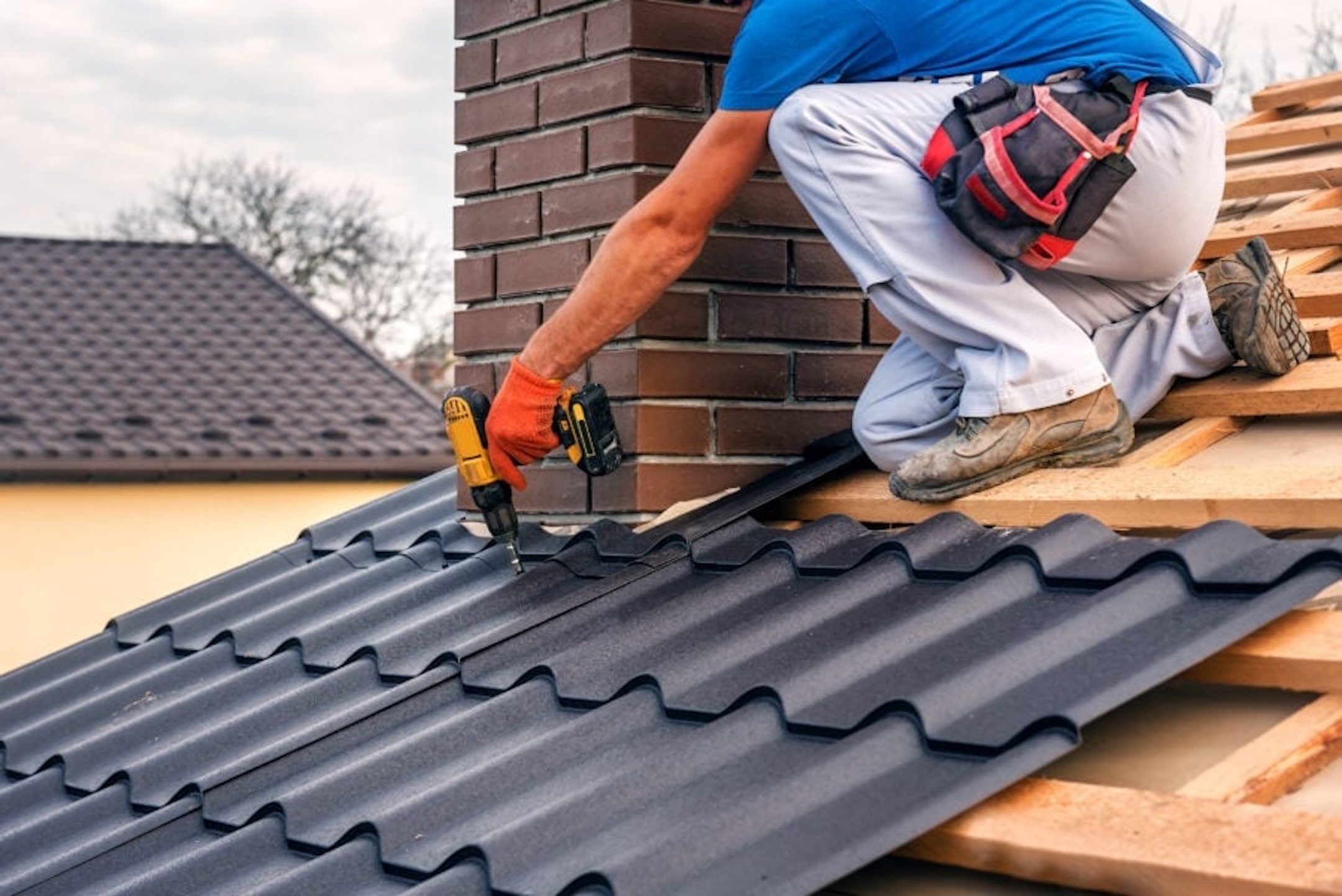
7 Step Guide to Metal Roof Installation (Why Metal Matters)
Choosing the right roofing solution is essential for protecting your home or business from the elements. Metal roof installation has become increasingly popular due to its durability, energy efficiency, and aesthetic appeal. Whether you’re building a new structure or replacing an old roof, understanding the installation process can help you make informed decisions. For those interested in learning more about metal roofing options, explore this comprehensive metal roofing service page that outlines the variety of materials and styles available.
- What makes metal roofing stand out from traditional roofing materials
- The essential steps involved in a professional metal roof installation
- Key benefits and maintenance tips for metal roofs
- Common challenges and how to avoid installation mistakes
- How to choose a qualified contractor for your project
Why Metal Roof Installation Is a Smart Investment
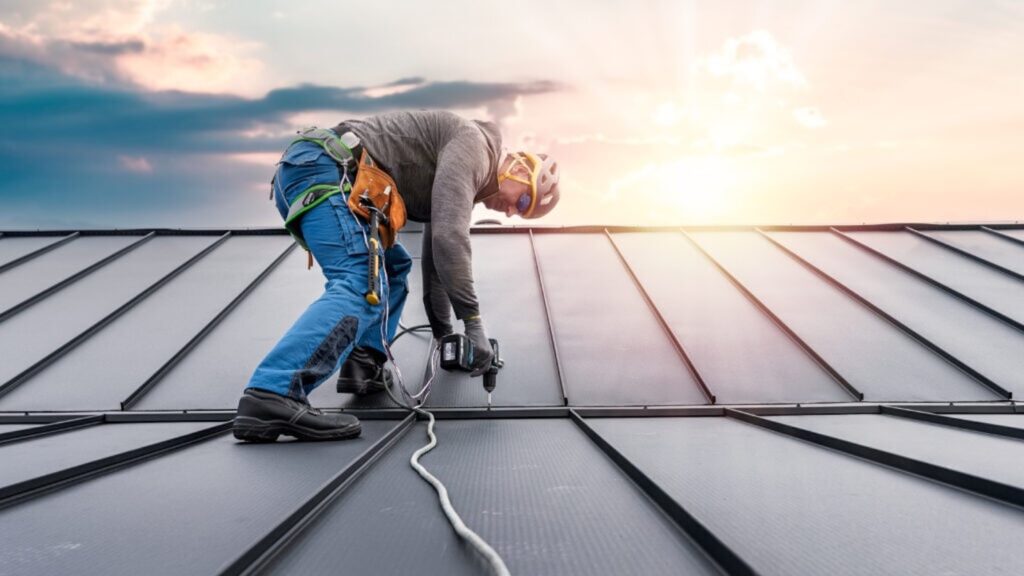
Investing in a metal roof is more than just choosing a new top for your structure. This roofing option combines longevity with environmental benefits and excellent performance. Proper installation is critical to maximizing these advantages and ensuring your roof lasts for decades.
- Durability: Metal roofs resist extreme weather, fire, and pests better than most other materials.
- Energy Efficiency: Reflective metal surfaces reduce heat absorption, lowering cooling costs substantially.
- Longevity: Most metal roofs carry warranties spanning 40 to 70 years.
- Environmentally Friendly: Metal panels are often made from recycled materials and are fully recyclable afterward.
- Design Versatility: Available in various styles and colors to complement any architectural style.
7 Essential Steps to a Successful Metal Roof Installation
Installing a metal roof involves several critical steps to ensure that the final product is not only functional but also aesthetically pleasing and long-lasting. Here’s a step-by-step outline:
1. Inspection and Preparation
Before installation begins, the existing roof must be inspected and prepared. This includes removing old roofing, checking for structural damage, and making any necessary repairs. A clean, stable substrate is vital for the integrity of the new metal roof.
- Inspection: Identify any rot, mold, or structural weaknesses.
- Preparation: Remove debris and repair damaged decking.
2. Installing Underlayment
The underlayment is a protective barrier installed over the roof deck that offers an extra layer of waterproofing. Choosing the right underlayment depends on your climate and roof type.
- Materials: Synthetic or felt-based underlayments are common choices.
- Importance: Prevents moisture penetration and protects against ice dams.
3. Measuring and Cutting Metal Panels
Accurate measurements and precise cutting are necessary for a seamless installation. Panels must fit the roof’s dimensions and features such as vents, skylights, and chimneys.
4. Securing the Panels
Metal panels are attached using special screws that include rubber washers to create a watertight seal. Proper alignment and fastening prevent leaks and wind damage.
- Fastener Spacing: Ensures even load distribution and optimal security.
- Sealing: Use sealants where needed to enhance waterproofing.
5. Installing Flashing and Trim
Flashing and trim components protect vulnerable seams, roof edges, and penetrations. These parts are crucial for directing water away from joints and preventing leaks.
6. Final Inspection and Cleanup
After installation, a thorough inspection confirms that all panels are secure and properly sealed. Cleanup ensures no debris remains on the roof or around the property.
7. Routine Maintenance Planning
Setting up a maintenance schedule is important to catch minor issues early and extend the roof’s lifespan. Regular cleaning and inspection can prevent damage from accumulating.
Understanding the Benefits and Maintenance of Metal Roofs
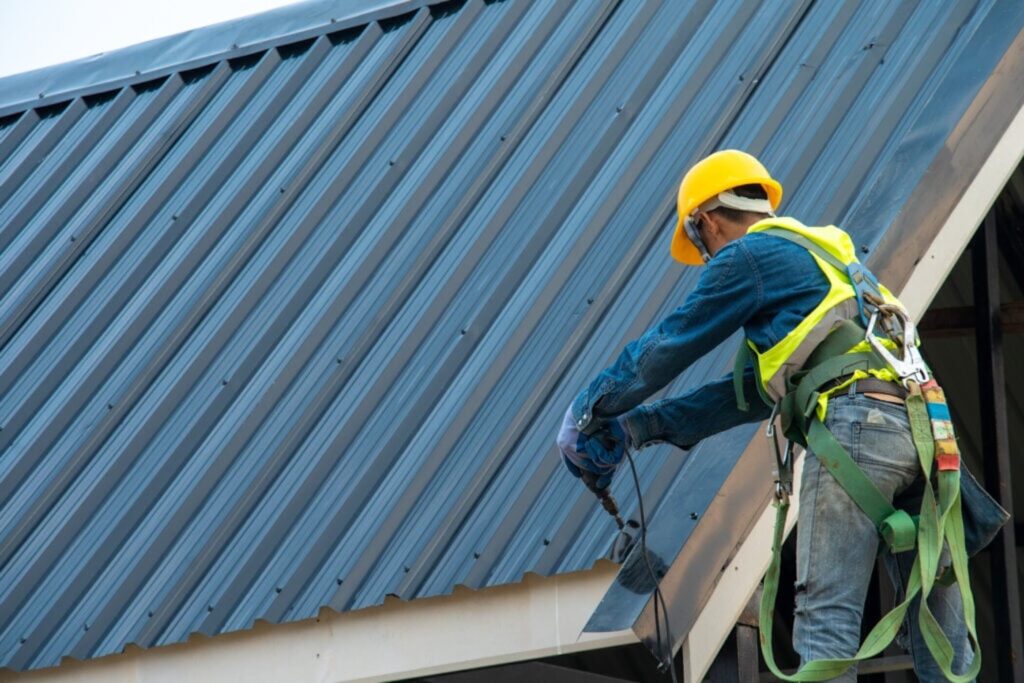
Metal roofs offer excellent performance over traditional roofing types, but understanding both their benefits and maintenance needs helps property owners get the most value.
- Energy Savings: Metal roofs reflect solar radiant heat, reducing cooling costs by up to 25%.
- Low Maintenance: Metal does not crack, warp, or suffer from insect damage, requiring only periodic cleaning.
- Resilience: High wind and hail resistance provide peace of mind during severe weather.
- Eco-Friendliness: Roofing made from recyclable materials supports sustainable building practices.
- Longevity: Properly maintained roofs can last more than 50 years, reducing replacement frequency.
Maintenance Tips:
- Inspection: Check for loose fasteners and damaged panels annually.
- Cleaning: Remove debris such as leaves and branches to prevent water pooling.
- Repairs: Promptly address any small dents or punctures.
Common Challenges and How to Overcome Them
While metal roof installation has many advantages, some challenges require attention to avoid costly issues. Being aware of these can prepare homeowners and contractors alike.
Noise Concerns
Metal roofs can be noisier during rain or hail compared to asphalt shingles. Installing soundproofing insulation beneath the roof deck can significantly diminish this effect.
Condensation Management
Improper ventilation can lead to condensation buildup beneath metal panels, causing mold or rot over time. Ensuring adequate attic ventilation is essential for moisture control.
Expansion and Contraction
Metal expands and contracts with temperature changes. Using fasteners that allow for this movement and installing panels correctly helps prevent warping and buckling.
Cost Considerations
Initial installation costs for metal roofs are higher than other materials. However, the long-term savings and minimal maintenance often offset this investment.
How to Choose the Right Contractor for Your Metal Roof Installation
Selecting a qualified contractor can make all the difference in the outcome of your metal roofing project. The right professional ensures the installation is done safely, efficiently, and in line with local building codes.
- Experience: Look for contractors with proven metal roofing expertise and positive references.
- Licensing and Insurance: Verify that the contractor holds all necessary licenses and adequate insurance coverage.
- Written Estimates: Obtain detailed quotes that include materials, labor, and timelines.
- Warranty Offers: Choose contractors who provide guarantees on both workmanship and materials.
- Local Knowledge: Familiarity with local climate and regulations ensures a better-suited roof installation.
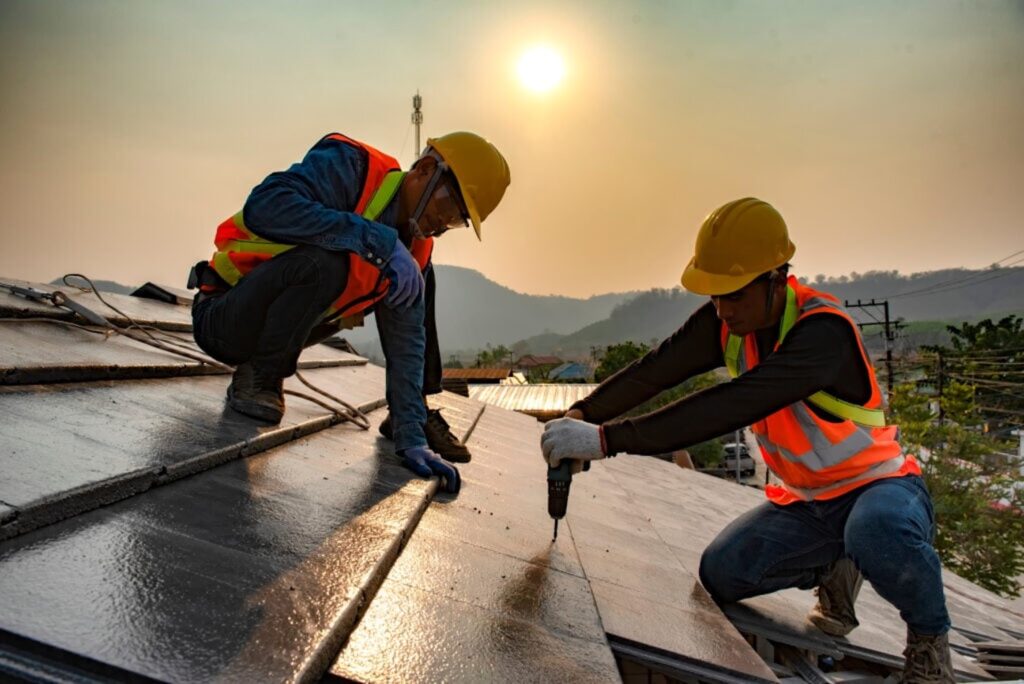
Take the Next Step Toward a Durable Metal Roof
Embracing a metal roof installation is a wise choice that combines style and strength for your property. Florida Roof Bros is ready to guide you through every step of the process to ensure a seamless, professional experience. For expert assistance and detailed information, contact us today.
Written By: Florida Roof Bros
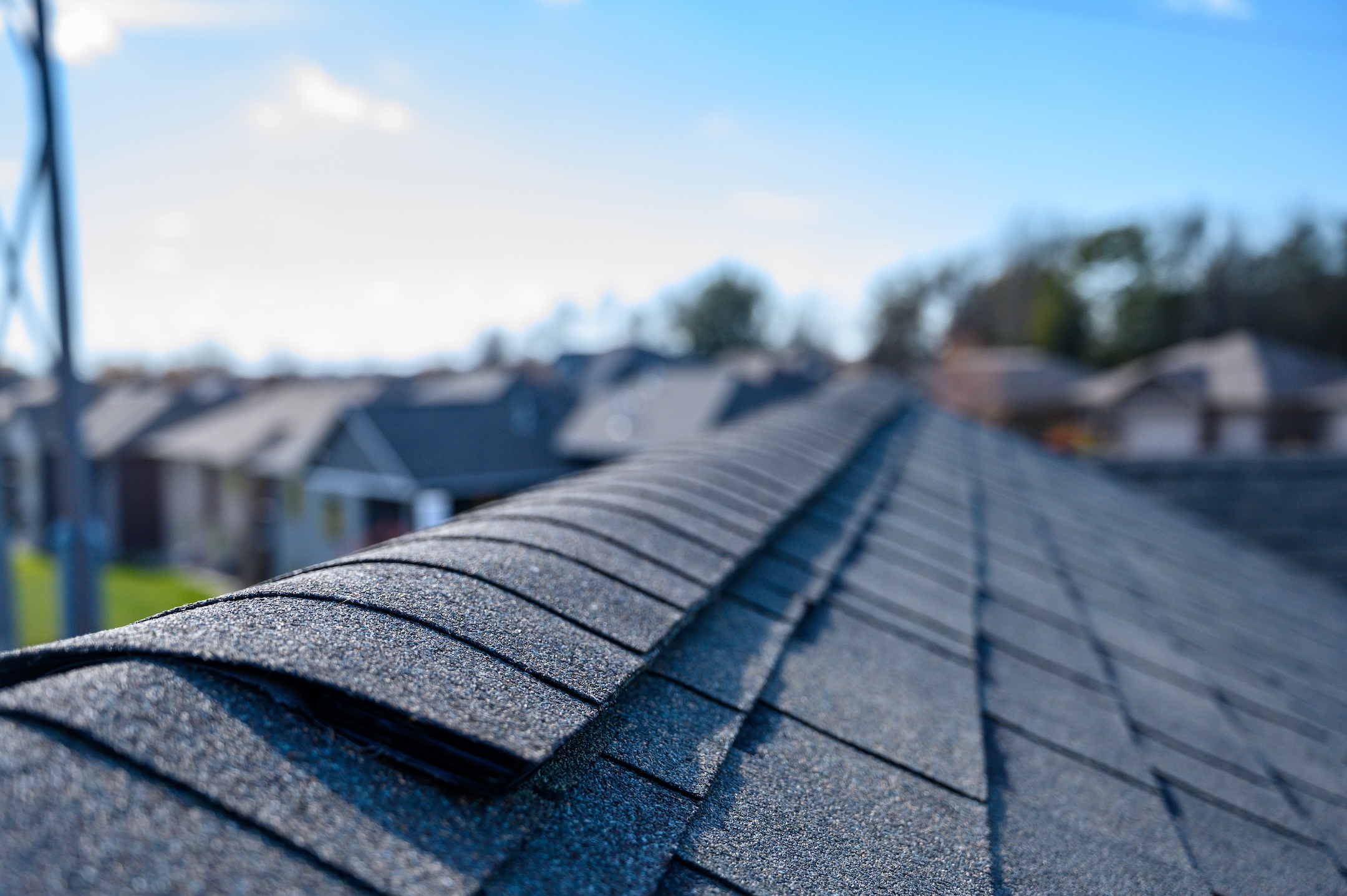
What Is the Average Cost to Tear Off & Replace Roof?
Understanding the average cost to tear off and replace roof is critical for homeowners planning major home maintenance or renovations. Roofing is one of the most important aspects of a home’s structure, providing protection from the elements and enhancing curb appeal. However, replacing an old roof is a significant investment, so knowing cost expectations can help budget appropriately and avoid surprises. For detailed information about roofing services, you might find this general roofing guide helpful as you prepare for your roofing project.
- What factors influence the overall roof replacement cost
- Step-by-step breakdown of tear off and replacement expenses
- Common roofing materials and their cost differences
- How to plan and budget effectively for your roofing project
Why Understanding Roof Replacement Costs Is Essential
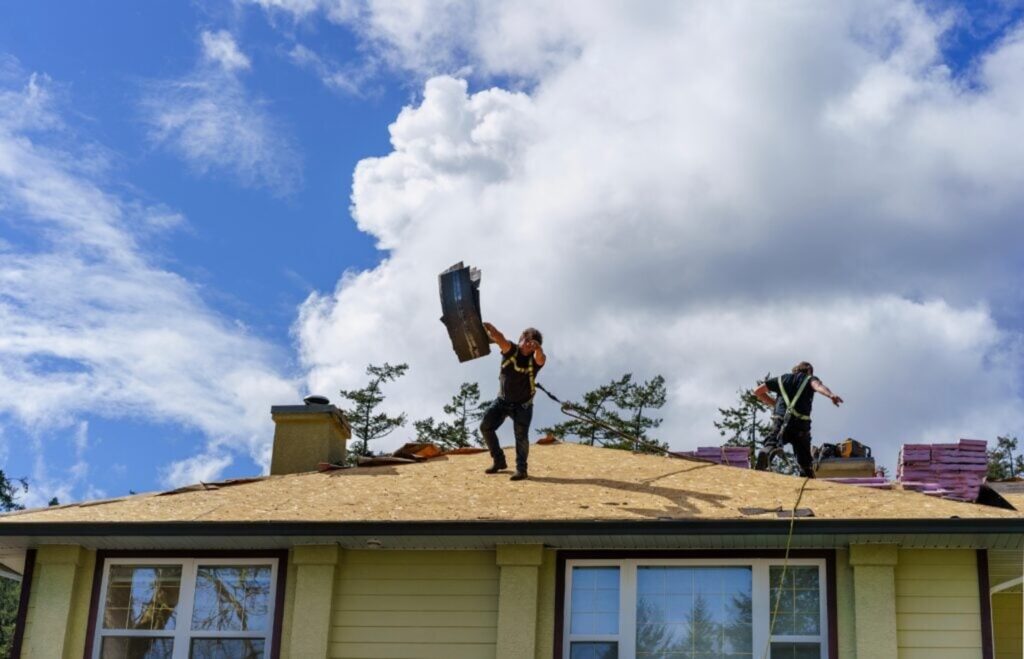
Replacing a roof is a major home improvement task that impacts both the safety and value of a property. An accurate grasp of roofing costs helps homeowners make informed decisions that align with their financial situation and home goals. Because costs can vary widely based on materials, labor, location, and roof complexity, a general understanding is important before engaging contractors or starting work.
- Financial Planning: Avoid expensive surprises by anticipating the budget for tear off and replacement.
- Material Selection: Choose appropriate roofing materials that balance durability and cost.
- Project Timeline: Realistic expectations about timing prevent unnecessary delays and complications.
- Property Value: A quality new roof can significantly increase a home’s market worth.
- Safety and Compliance: Ensures the work meets local codes and protects your property adequately.
6 Key Components of the Average Cost to Tear Off and Replace Roof
Breaking down the roofing process reveals multiple cost factors that contribute to the total price. By understanding these pieces, you can better assess estimates and negotiate with contractors. Each element plays a critical role in determining the final costs of a tear off and replacement project.
1. Roof Tear Off and Disposal
The initial step involves removing the existing roofing layers down to the deck. This labor-intensive process varies in price depending on the number of layers and roof size.
- Labor Intensity: More layers require additional work and time.
- Disposal Fees: Proper disposal of old roofing material incurs landfill or recycling costs.
2. Roofing Materials
The type of material selected greatly influences cost. Asphalt shingles tend to be the most affordable, while metal, tile, or slate are higher-end options.
- Asphalt Shingles: Cost-effective, widely used, and come in various styles.
- Metal Roofing: Durable and energy-efficient but more costly upfront.
- Tile and Slate: Offer long lifespans and luxury appeal but require significant investment.
3. Roof Deck Repairs
During the tear off, contractors inspect the decking beneath. Any damage must be repaired or replaced, adding to the total expense.
- Extent of Damage: Minor patches are less costly; major structural repairs add significant costs.
- Material Costs: Typically plywood or OSB boards are used for replacement.
4. Labor Costs
Labor is a substantial component of roof replacement and can fluctuate based on location and contractor reputation.
- Local Wage Rates: Urban areas with higher living costs often have greater labor charges.
- Project Complexity: Roof pitch, shape, and height affect labor intensity.
5. Additional Accessories
Elements such as flashing, drip edges, underlayment, and ventilation also contribute to costs but are necessary for roof longevity.
- Flashing and Drip Edges: Protect vulnerable areas from leaks.
- Underlayment: Acts as a moisture barrier beneath roofing materials.
6. Permits and Inspection Fees
Most municipalities require permits and inspections to ensure compliance with building codes, adding administrative costs.
- Permit Costs: Fees vary by jurisdiction but are essential for legal compliance.
- Inspection Fees: Verify work quality and safety standards.
Understanding How Roofing Material Choices Affect the Cost
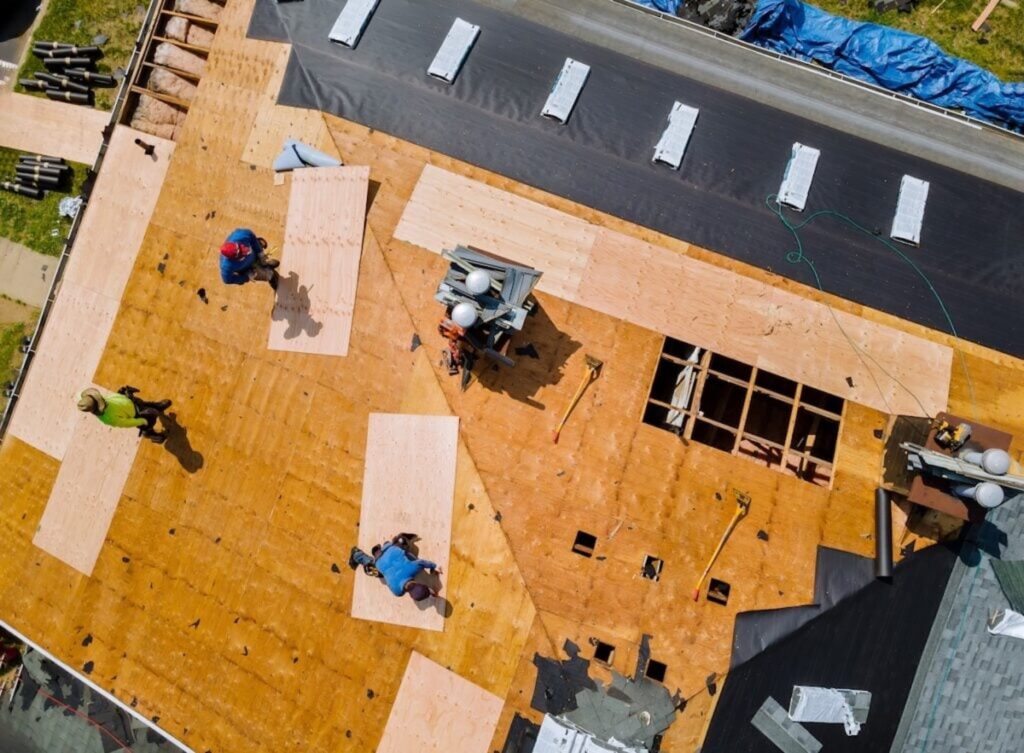
The selection of roofing materials not only impacts upfront expenses but also influences maintenance, longevity, and energy efficiency. Homeowners should weigh these factors carefully when planning their replacement.
Asphalt Shingles
Often the go-to material for many, asphalt shingles typically offer a good balance between price and performance. They are usually the least expensive option, easy to install, and come in numerous styles and colors.
Metal Roofing
Metal roofs are rising in popularity due to their durability, longevity, and eco-friendly benefits. Although the initial cost is higher, they can reduce energy bills and require less frequent replacement.
Tile Roofing
Tile roofs offer an attractive aesthetic and excellent lifespan but have significantly higher installation and material costs. The weight of tiles also demands a strong underlying structure, potentially increasing structural reinforcement expenses.
Slate Roofing
Slate is among the most expensive roofing options but provides exceptional durability and a distinctive appearance. It requires specialized installation expertise and considerable investment.
Factors to Consider When Budgeting for Your Roof Replacement
Beyond materials and labor, various other considerations affect the overall roofing budget. Being aware of these helps ensure your project stays on track financially and meets your expectations.
- Roof Size and Pitch: Larger and steeper roofs require more labor and materials, increasing costs.
- Home Location: Regional weather and building codes can dictate the scope and complexity of roofing projects.
- Contractor Experience: Well-established contractors may charge premium rates but often deliver higher quality.
- Timing of Project: Costs can fluctuate seasonally due to demand and weather conditions.
- Warranty and Insurance: Verify contractor insurance and warranty coverage as added protection.
Common Questions About Roof Replacement Costs
Many homeowners have similar queries when considering roof tear off and replacement. Addressing these can assist in preparing for the project.
How long does a roof replacement typically take?
Most residential roof replacements take between one to three days depending on size, weather, and complexity.
Will my insurance cover roof replacement costs?
Insurance may cover replacements due to storm or accidental damage but not for wear and tear or aging roofs; always verify with your provider.
Can I expect price estimates to vary significantly between contractors?
Yes, estimates can vary due to different materials, labor rates, and included services; obtaining multiple bids is advisable.
Are there financing options available for roof replacement?
Many roofing contractors offer financing or payment plans to help spread out costs over time.
How often should I plan to replace my roof?
Roof lifespan depends on materials: asphalt shingles last around 20-25 years, metal 40-70 years, and tile or slate can last over 50 years.
Strategically Planning Your Roof Replacement to Control Costs
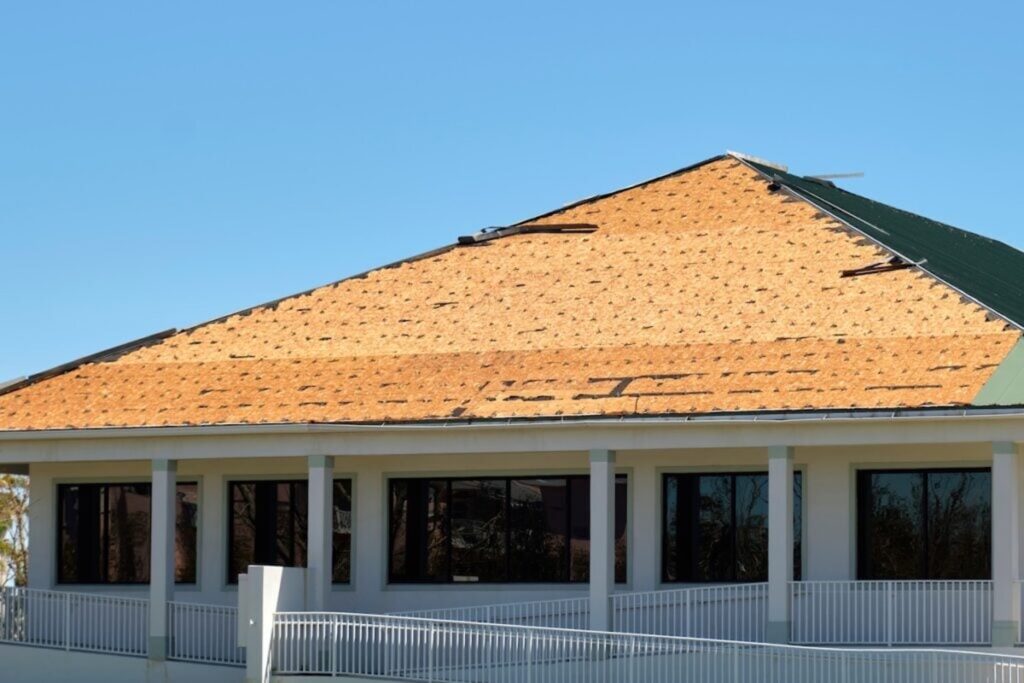
Effective planning is crucial to ensure your roofing project stays within budget without sacrificing quality. Approaching replacement strategically allows you to maximize value and peace of mind.
Get Multiple Quotes
Soliciting detailed quotes from at least three licensed contractors provides perspective on pricing and services offered.
Assess Your Roof Thoroughly
Request a professional roof inspection to identify underlying problems that could increase costs unexpectedly.
Choose Materials Wisely
Balancing upfront cost and durability helps ensure your roof remains an asset for decades.
Schedule for Favorable Conditions
Planning work during mild weather seasons can reduce delays and labor expenses.
Understand Contract Details
Review scope, warranty, and payment terms carefully to avoid hidden fees.
Securing Expert Assistance for Your Roofing Needs
Replacing your roof is a significant investment requiring expertise and reliable service. Florida Roof Bros offers professional roofing solutions tailored to your needs with transparent pricing and superior craftsmanship. Reach out to Florida Roof Bros and contact us today to schedule a consultation and get started on a worry-free roof replacement.
Written By: Florida Roof Bros
Metal Roof Repair: 7 Common Issues & How to Fix Them
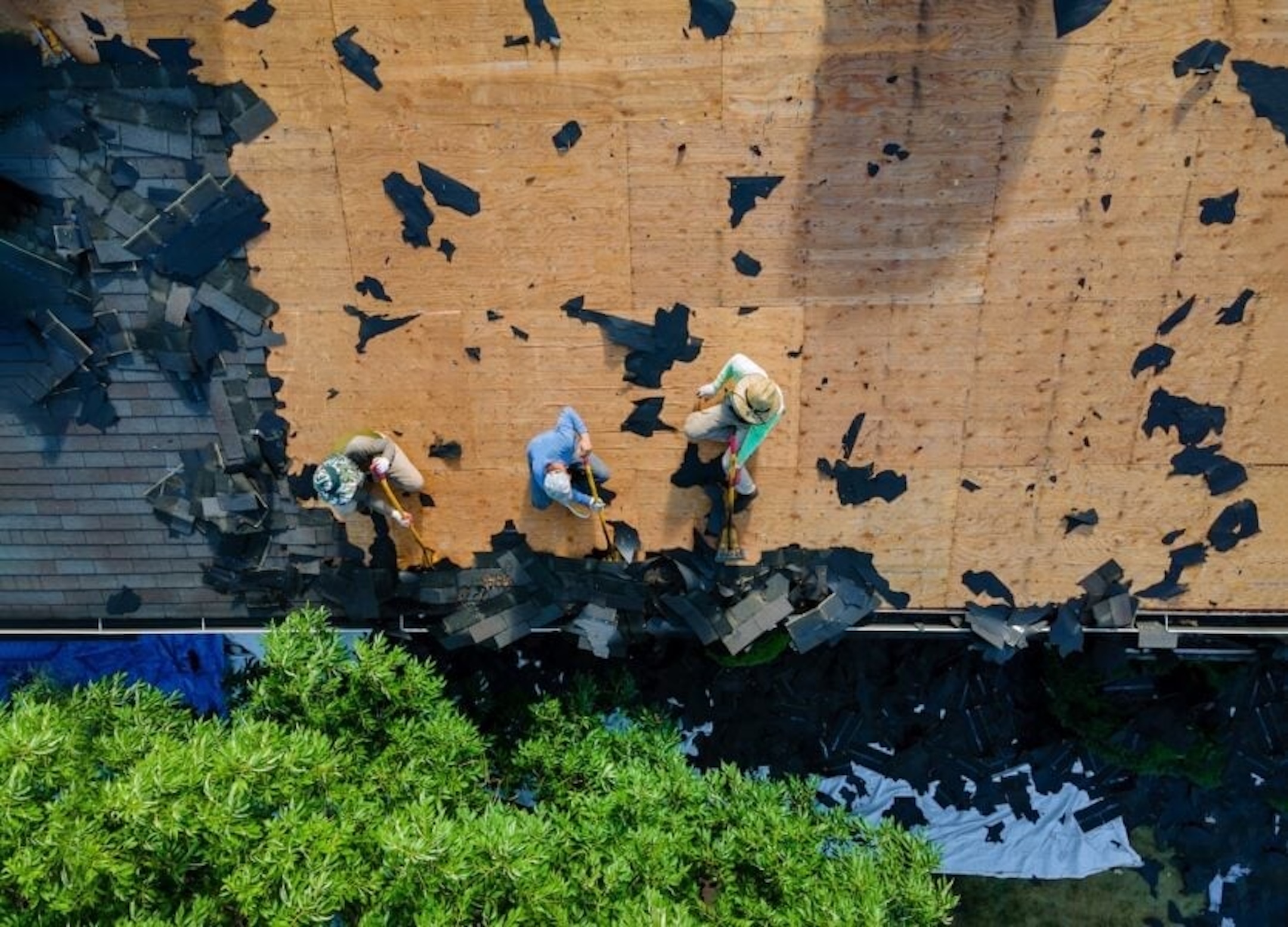
Metal roofs have become an increasingly popular choice for homeowners and businesses alike, thanks to their durability and modern aesthetic. However, like any roofing material, metal roofs require maintenance and occasional repairs to keep them performing optimally. Understanding metal roof repair is crucial for prolonging the lifespan of your roof and preventing costly damage. Whether it’s leaks, rust, or loose fasteners, knowing how to identify and address common metal roof problems can save you time and money. For professional assistance, consider exploring comprehensive services in metal roofing to ensure your roof remains in pristine condition.
- Identify the most common issues that affect metal roofs.
- Learn practical repair techniques to tackle these problems.
- Discover preventative measures to extend the life of your roof.
- Understand when to DIY and when to call a professional for repairs.
Understanding the Importance of Timely Metal Roof Repair

Metal roofs offer longevity and resilience against various weather conditions, but neglecting maintenance can lead to serious issues. Prompt metal roof repair can prevent small problems from escalating into major damages that compromise your home’s structural integrity. Being familiar with typical metal roof problems ensures you can act quickly and maintain the efficiency and aesthetic appeal of your roof.
- Durability Concerns: Even the toughest materials show wear over time without upkeep.
- Cost Efficiency: Early repairs are often less expensive than major replacements.
- Preventing Leaks: Small damages can allow water intrusion causing interior damage.
- Maintaining Aesthetics: Rust or dents can detract from your property’s value and appeal.
- Enhancing Safety: Loose components can pose hazards during storms.
7 Common Metal Roof Issues and How to Fix Them
Metal roofs are robust but not invulnerable. Knowing these seven typical problems and how to address them empowers homeowners to preserve their roof’s functionality and beauty.
1. Rust and Corrosion
Rust is one of the most frequent issues with metal roofs, especially if the protective finish is compromised. Moisture accumulates and causes oxidation, degrading the metal over time.
- Inspection: Regularly check for reddish-brown spots or bubbling paint.
- Cleaning: Remove rust with a wire brush or sandpaper.
- Treatment: Apply a rust inhibitor and repaint the roof to protect against further damage.
2. Loose or Missing Fasteners
Fasteners secure metal panels to the roof deck. Over time, vibration and weather can loosen them or cause screws to back out, creating gaps where water can enter.
- Detection: Visual check for missing or lifted screws, especially after storms.
- Repair: Tighten or replace screws with rubber washers to maintain a waterproof seal.
- Prevention: Use high-quality, corrosion-resistant fasteners to extend longevity.
3. Leaks and Water Intrusion
Leaks in metal roofs typically result from damaged seams, punctures, or faulty flashing. Untreated leaks damage the structure and insulation beneath.
- Locating Leaks: Inspect interior ceilings and attic spaces for water stains.
- Sealing: Apply roofing sealant or replace damaged flashing around vents and chimneys.
- Patch Holes: Small holes or punctures can be fixed with metal patches and sealant.
4. Panel Damage and Dents
Impacts from hail, tree branches, or debris can dent metal roofing panels, compromising the roof’s appearance and potentially its structural integrity.
- Assessment: Inspect for dents larger than nail size or that cause sharp bends.
- Minor Dents: Use rubber mallets to gently tap out dents or consider professional refinishing.
- Severe Damage: Replace panels that are severely compromised to prevent leaks.
5. Improper Installation
Installation errors such as incorrect panel overlaps or insufficient fastening can cause persistent issues including leaks and premature wear.
- Verification: Have an expert inspect the roof if you suspect installation errors.
- Correction: Re-align panels, replace unsuitable fasteners, and ensure proper flashing and sealants.
- Long-Term: Proper installation prevents many common metal roof issues from occurring.
6. Expansion and Contraction Issues
Metal roofs expand and contract with temperature changes, which can loosen fasteners and cause panel warping.
- Monitoring: Observe for loose panels or fasteners after seasonal temperature shifts.
- Fixes: Use flexible sealants and fasteners designed to accommodate metal movement.
- Benefit: Allows the roof to maintain its integrity despite thermal changes.
7. Damaged Flashings
Flashings around chimneys, skylights, and vents are critical for waterproofing. Damage or corrosion here often leads to leaks.
- Inspection: Check flashings regularly for cracks, gaps, or rust.
- Repair: Re-secure loose flashings or replace damaged sections with metal flashing or sealant.
- Replacement: In extensive damage, completely replace flashings to restore protection.
Maintenance Tips to Prevent Future Metal Roof Repairs
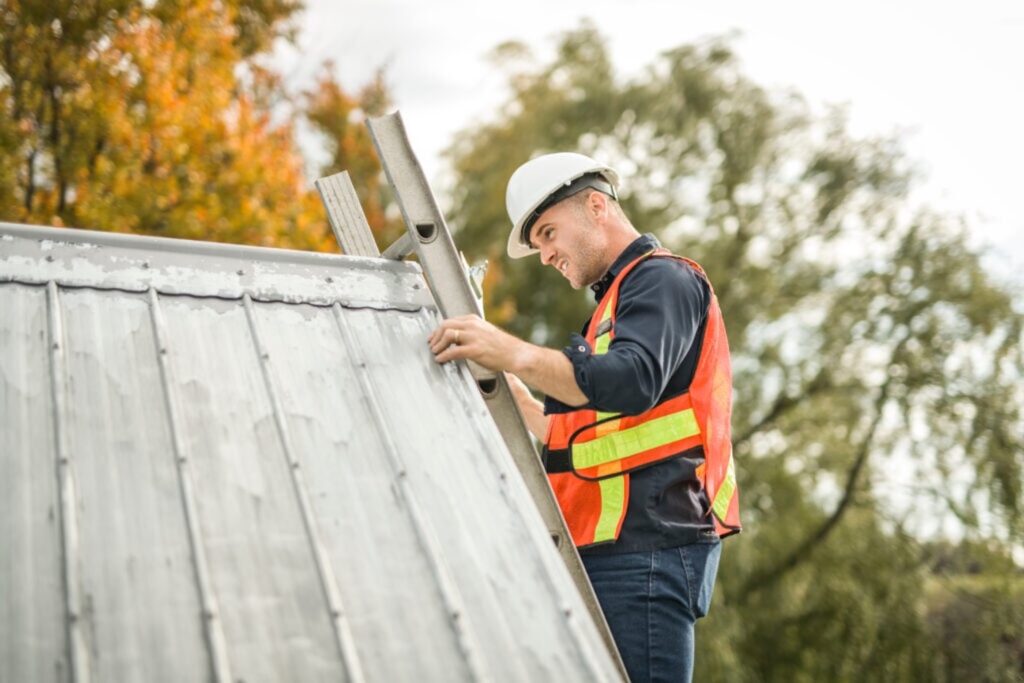
Proactive maintenance is key to extending the life of a metal roof and avoiding costly repairs. Implementing routine care enhances performance and saves money in the long run.
- Regular Cleaning: Remove debris, leaves, and dirt that can trap moisture and promote corrosion.
- Annual Inspections: Schedule professional roof assessments to catch problems early.
- Prompt Repairs: Address small issues immediately before they grow to larger concerns.
- Trim Overhanging Branches: Reduces the risk of damage from falling limbs during storms.
- Maintain Gutters: Ensure gutters are clear to direct water away from the roof efficiently.
FAQ: All You Need to Know About Metal Roof Repair
Understanding the nuances of metal roof repair can help you make informed decisions. Here are some common questions homeowners ask about maintaining and repairing metal roofs.
- How long does a metal roof last? With proper maintenance, metal roofs can last 40 to 70 years, much longer than traditional roofing.
- Can I repair a metal roof myself? Small repairs such as tightening loose screws or sealing minor leaks can be DIY projects, but larger repairs are best handled by professionals.
- Is metal roof repair expensive? Costs vary by the type and extent of damage; timely repairs often cost significantly less than replacements.
- What materials are best for metal roof repairs? Use compatible metal patches, corrosion-resistant fasteners, and high-quality sealants designed for metal roofing.
- When should I replace instead of repair? If damage is extensive or the roof is nearing the end of its lifespan, replacement may be more cost-effective.
Taking the Next Steps for Your Metal Roof
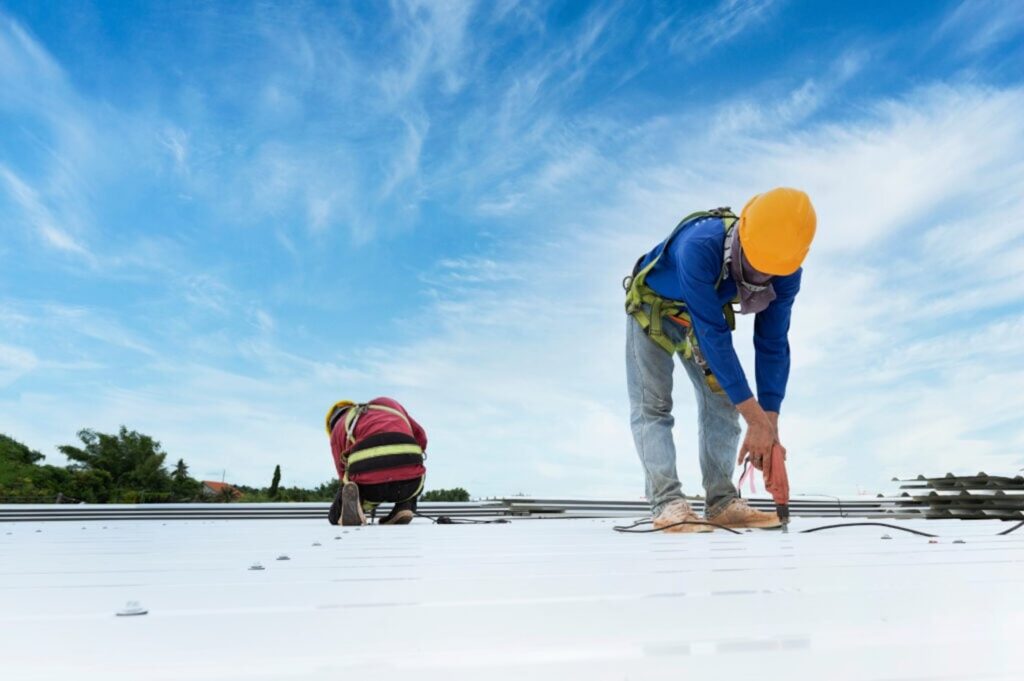
Metal roof repair is essential to maintain the durability and protection your roof provides. Timely intervention prevents minor issues from turning into costly problems and helps extend your roof’s lifespan. Florida Roof Bros is ready to assist with expert metal roofing services tailored to your needs. To ensure your metal roof remains in excellent condition, contact us today and let Florida Roof Bros provide you with reliable, professional support for all your roofing needs.
Written By: Florida Roof Bros
5 Best Metal Roof Colors for Your Home or Business
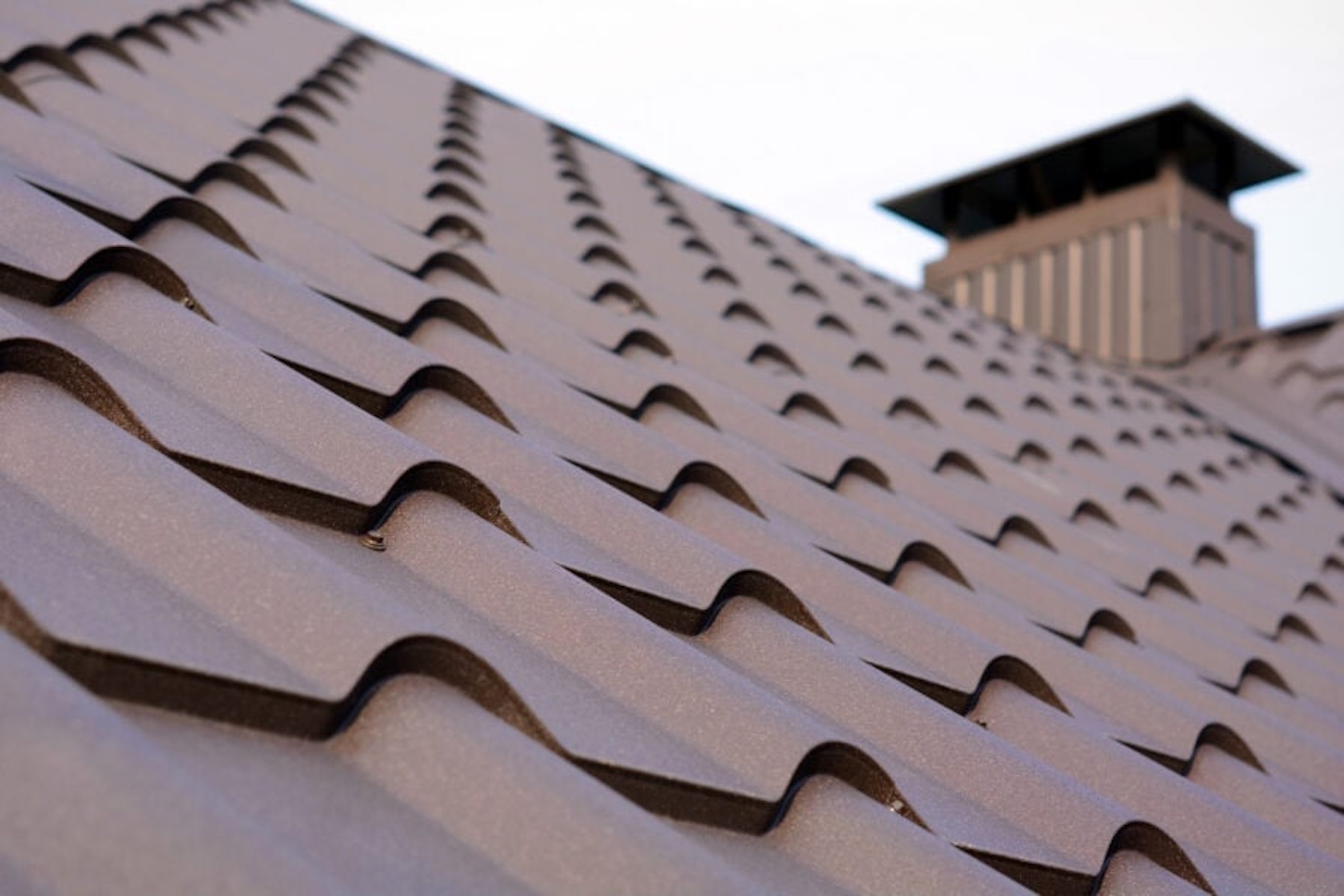
Choosing the right metal roof colors can dramatically influence the curb appeal, energy efficiency, and overall aesthetic of your home or business. A metal roof is not only a durable and practical choice but also a versatile one, allowing for a variety of color options that suit different architectural styles and climates. For those interested in exploring quality metal roofing solutions, visiting a dedicated metal roofing service can provide comprehensive options and expert advice tailored to your specific needs.
- Understand the impact of color choices on durability and energy efficiency.
- Explore the most popular and trending metal roof colors for different building types.
- Learn how climate and location influence color selection.
- Discover tips on balancing aesthetics with functional roofing benefits.
- Identify maintenance considerations associated with various colors.
Why Metal Roof Colors Matter When Choosing Your Roofing
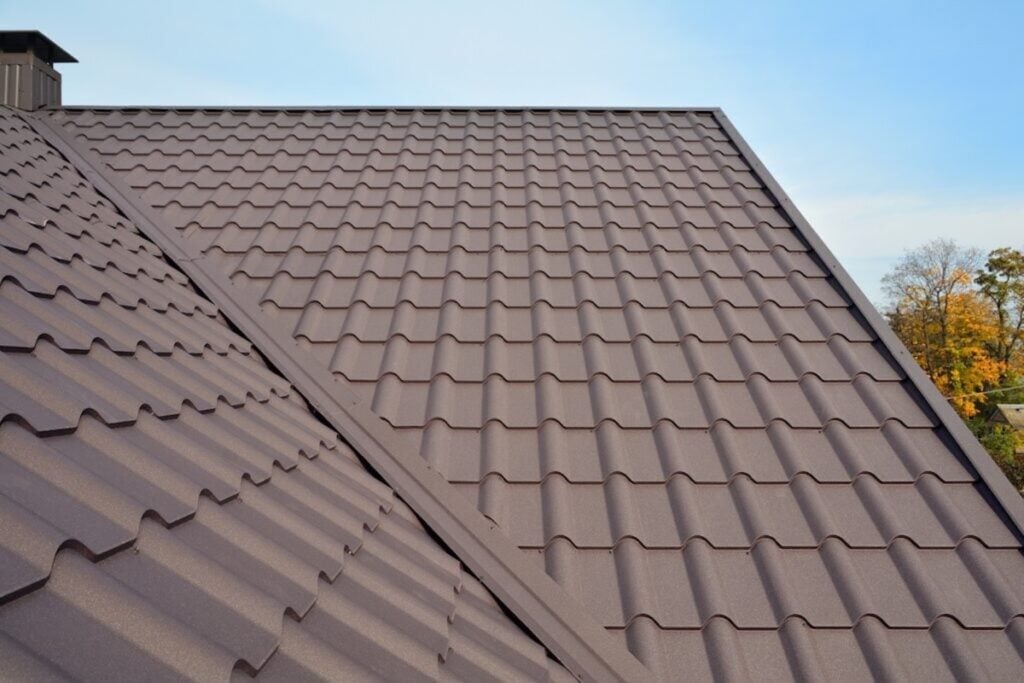
The selection of metal roof colors is more than just an aesthetic decision; it affects the roof’s lifespan, energy consumption, and the comfort of the building interior. Metal roofs with the right color can reflect sunlight, reducing cooling costs and improving indoor comfort. Additionally, choosing a color that complements the architectural style and surrounding environment enhances property value and neighborhood harmony.
- Energy Efficiency: Light-colored metal roofs reflect heat, lowering energy bills.
- Durability: Quality paints and coatings in vibrant colors protect against corrosion and UV damage.
- Aesthetic Appeal: Colors can accentuate the style of your home or business.
- Climate Considerations: Certain colors perform better under specific weather conditions.
5 Top Metal Roof Colors Ideal for Homes and Businesses
Choosing the perfect metal roof color can be a daunting task given the variety of options available. Below are seven popular and effective choices, each with unique benefits that suit varied architectural and environmental needs.
1. Classic Charcoal Gray
Charcoal gray offers a timeless and versatile look, ideal for both modern and traditional buildings. Its darker shade helps hide dirt and weathering effects, making it a low-maintenance option.
- Versatility: Works with most home exterior colors.
- Maintenance: Hides stains and debris effectively.
2. Crisp White
White metal roofs provide excellent solar reflectivity, especially in hot climates, helping reduce cooling costs and keeping interiors cooler.
- Energy Savings: Reflects most of the sunlight.
- Fresh Look: Brightens the building’s appearance.
3. Bold Red
Red offers a striking, energetic vibe that can enhance the architectural presence of a commercial building or farmhouse style home.
- Visibility: Stands out in suburban and rural areas.
- Classic Appeal: Popular in traditional and rustic settings.
4. Deep Blue
Deep blue metal roofs evoke a calm, professional look suitable for modern commercial buildings or coastal homes.
- Architectural Style: Complements contemporary designs.
- Distinctive: Provides a unique yet refined external paint choice.
5. Earthy Green
Green hues blend beautifully with natural environments, ideal for homes amid wooded or landscaped areas, offering camouflage and harmony with nature.
- Environmental Integration: Harmonizes with surroundings.
- Calming Effect: Creates a peaceful aesthetic.
Factors to Consider When Selecting Metal Roof Colors
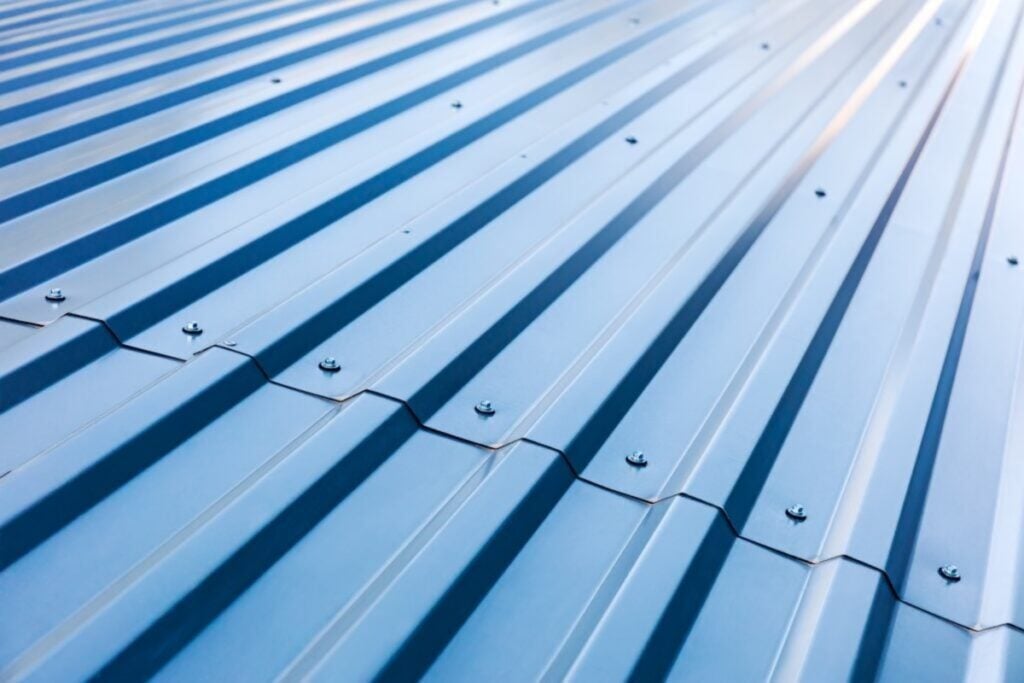
Selecting the optimal metal roof color involves balancing multiple factors that influence both the visual appeal and the functional performance of your roof. Understanding these considerations will help you make an informed decision that suits your geographic area and building type.
- Climate Impact: Light colors absorb less heat, suited for warm climates, while darker shades may work better for colder regions.
- Home Style and Surroundings: Matching or contrasting with exterior details can accentuate your property’s character.
- Energy Efficiency Ratings: Look for metal roofs with ENERGY STAR® rated colors to maximize savings.
- Maintenance Requirements: Some colors show dirt and fading less prominently, reducing upkeep needs.
- Local Regulations: HOA or municipal guidelines may restrict color choices.
Common Questions About Metal Roof Colors
Many homeowners and business owners have similar queries when it comes to choosing metal roof colors. Addressing these can simplify the decision-making process and ensure satisfaction with the final result.
Does roof color really affect energy bills?
Yes, roof color plays a significant role in energy efficiency. Light-colored metal roofs reflect more sunlight, reducing heat absorption and decreasing cooling costs in warmer climates.
Are darker metal roof colors less durable?
No, durability is more dependent on the coating and materials rather than color. However, darker colors may absorb more heat, which could slightly affect thermal expansion, but modern coatings typically mitigate this.
Can metal roofs be painted after installation?
While possible, it’s usually recommended to select your color before installation as factory-applied coatings are more durable and consistent. Professional repainting requires surface preparation and proper paint types for longevity.
How often do metal roofs need repainting?
With high-quality factory finishes, repainting may not be necessary for 20-30 years. Environmental exposure and quality of the finish determine maintenance intervals.
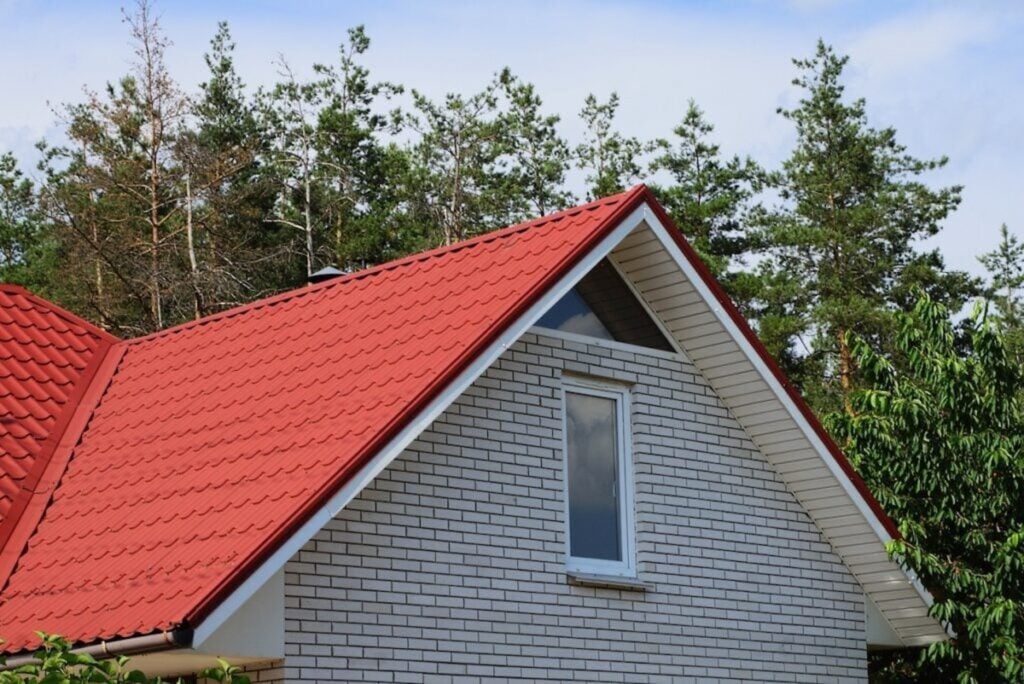
Choosing the Perfect Metal Roof Color in Tampa and Surrounding Areas
Living in Tampa and surrounding areas means taking into account the local weather patterns—hot summers and occasional rainstorms—which impact your metal roof color choice. Lighter colors like crisp white or light gray are ideal to reflect the sun’s rays and maintain a cooler interior temperature. Additionally, natural greens and earth tones can blend well with Tampa’s lush environment.
If you want to enhance your property’s value and appearance with a long-lasting, energy-efficient metal roof, it pays to select the right color carefully. Florida Roof Bros can help guide you through this process expertly. Don’t hesitate to contact us today to discuss your metal roofing options in Tampa and surrounding areas and discover which metal roof colors best suit your home or business.
Written By: Florida Roof Bros
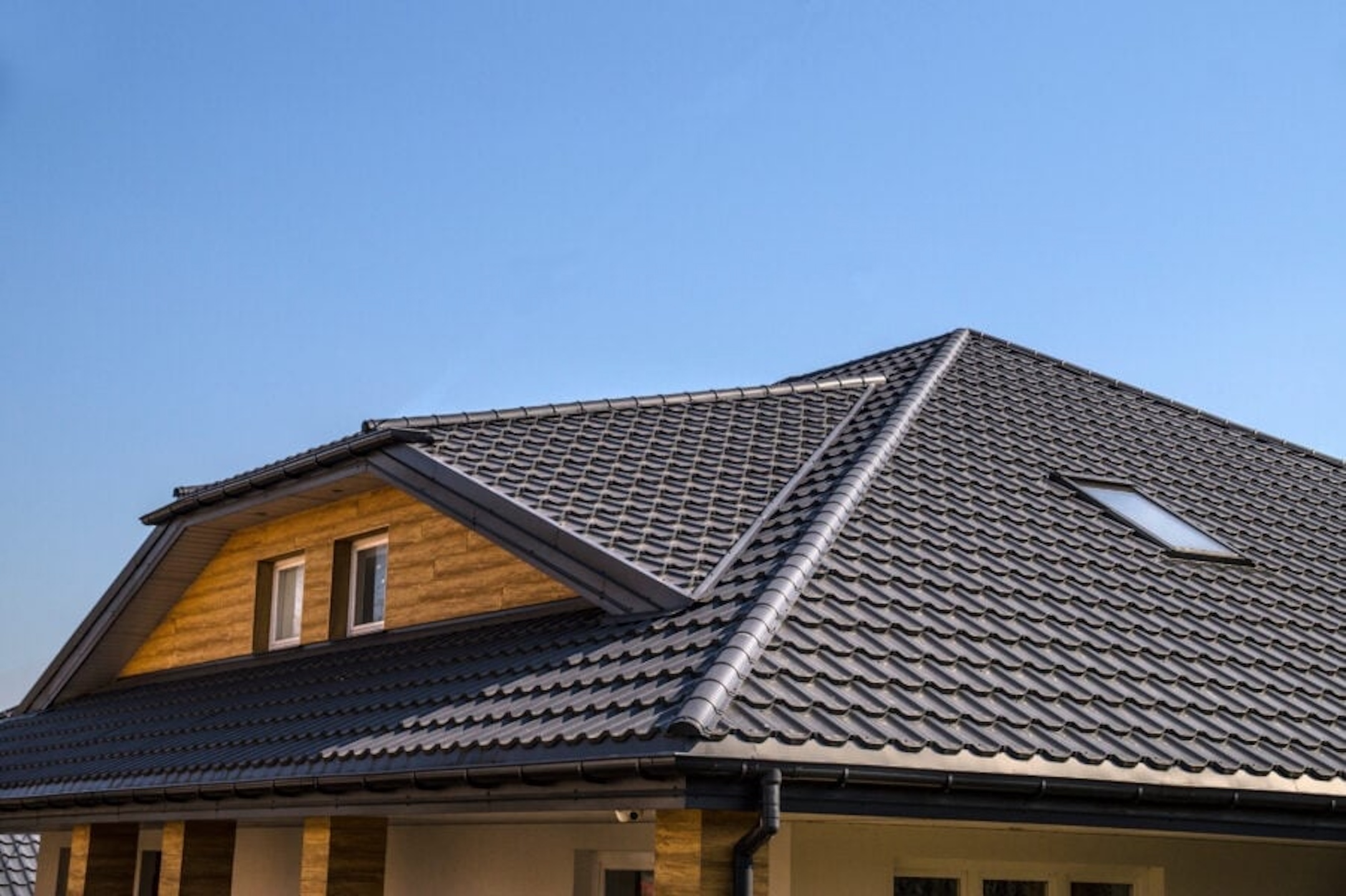
How Long Does a Roof Last? (6 Factors & Considerations)
When it comes to the integrity and safety of a home, understanding how long does a roof last is essential. Roof lifespan influences everything from home maintenance budgets to the timing of renovations or replacements. Whether you are a homeowner preparing for future repairs or a curious reader wanting to know more about roofing durability, knowing the factors that affect a roof’s longevity is critical. For expert advice and tailored roofing solutions, consider exploring professional roofing services that can guide you through inspection and maintenance processes.
- Understanding the average lifespan of different roofing materials
- Recognizing environmental and maintenance factors impacting roof longevity
- Learning signs that indicate when a roof needs replacement
- Exploring strategies to extend your roof’s useful life
Why Roof Lifespan Matters for Homeowners
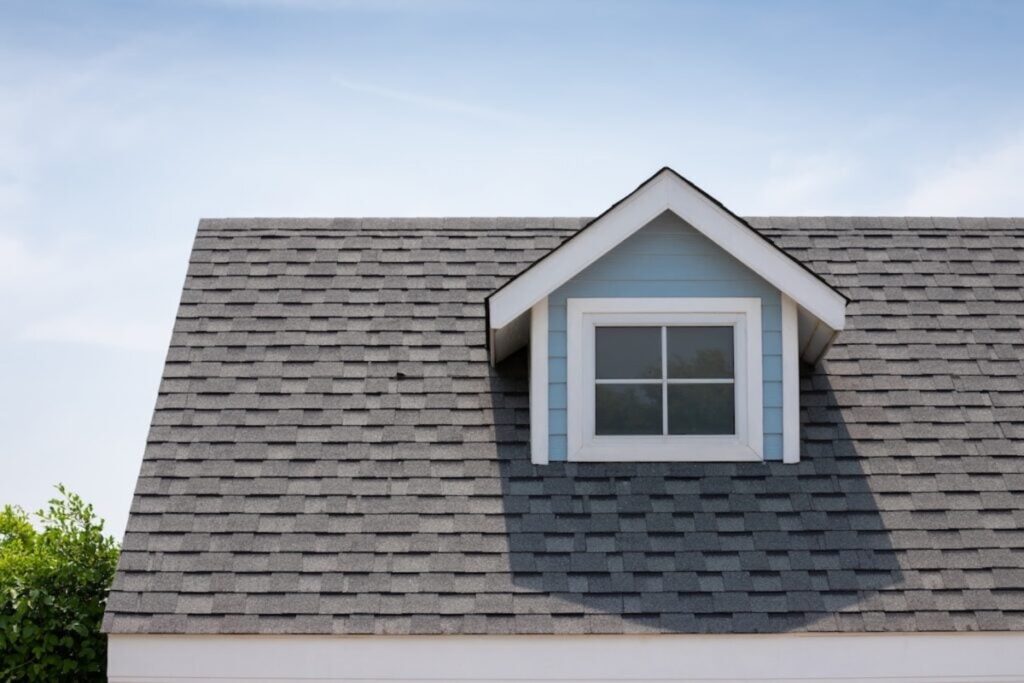
The longevity of a roof doesn’t just determine when you’ll need costly repairs or replacements; it also plays a role in protecting your home from weather damage, supporting energy efficiency, and sustaining curb appeal. Understanding roof lifespan can help homeowners plan financially and avoid unexpected emergencies. It also encourages timely maintenance, preserving the roof’s structural integrity for years to come.
- Financial Planning: Knowing your roof’s expected life helps budget for repairs or replacement ahead of time.
- Home Protection: A well-maintained roof shields the home from leaks, weather damage, and pest infestations.
- Energy Efficiency: Older roofs may reduce insulation effectiveness, increasing energy costs.
- Property Value: A quality roof improves real estate value and buyer confidence when selling.
- Safety: Prevents structural damage that could compromise occupant safety.
6 Key Factors That Determine Roof Lifespan
While many people wonder how long does a roof last, the answer depends on several critical variables. These factors combine to influence whether your roof remains functional for decades or requires premature replacement. Understanding them empowers you to optimize maintenance and material choices.
1. Roofing Material Type
The type of material used is the most straightforward indicator of roof longevity. Different materials have inherently different lifespans based on durability and weather resistance.
- Asphalt Shingles: 20 to 30 years, widely used and cost-effective but less durable.
- Metal Roofs: 40 to 70 years, resistant to fire and weather, often recyclable.
- Clay or Concrete Tiles: 50 years or longer, very durable but heavier and sometimes more expensive.
- Wood Shingles or Shakes: 25 to 30 years, can add aesthetic appeal but require more maintenance.
2. Climate and Weather Conditions
The local climate strongly impacts roof lifespan, as roofs in harsh environments degrade faster due to extreme heat, cold, moisture, or storms.
- Sun Exposure: High UV can cause certain roofing materials to crack or fade faster.
- Rain and Snow: Excess moisture can lead to water damage and mold growth.
- Wind Damage: Frequent storms or hurricanes can damage shingles or tiles.
- Temperature Fluctuations: Freeze-thaw cycles can create cracks in roofing material.
3. Quality of Installation
Proper installation is crucial for maximizing roof life. Even the best materials can fail prematurely if installed incorrectly.
- Shingle Alignment: Poor alignment can allow water penetration.
- Flashing and Sealants: Effective sealing prevents leaks around vents and chimneys.
- Ventilation: Proper airflow reduces moisture buildup and heat damage.
4. Maintenance and Repairs
Regular upkeep is one of the most effective ways to extend a roof’s lifespan. Deferred maintenance accelerates wear and damage.
- Cleaning Debris: Leaves and branches can trap moisture and degrade roofing.
- Replacing Missing Shingles: Prevents leaks and water damage.
- Inspection: Annual roof inspections catch problems early.
5. Roof Design and Structure
Some roof designs naturally last longer due to better water runoff or materials used in their construction.
- Pitch: Steeper roofs shed water faster, reducing moisture issues.
- Complexity: More angles and valleys complicate maintenance.
- Weight Load: Heavy roofs require robust framing to prevent sagging.
6. Environmental Factors
Nearby trees, pollution levels, and pests can influence a roof’s condition over time.
- Moss and Algae Growth: Shaded roofs may accumulate biological growth.
- Animal Activity: Birds or rodents can damage roofing material or insulation.
- Air Quality: Pollution accelerates material degradation in some areas.
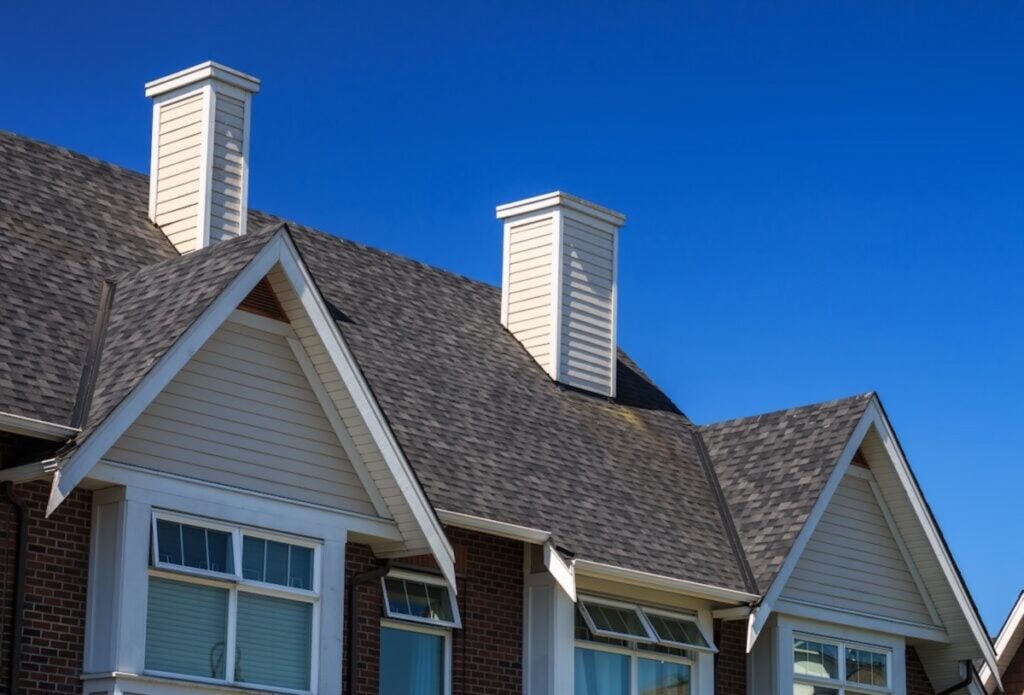
Extending Your Roof’s Lifespan: Practical Tips
Addressing the factors that influence a roof’s longevity can significantly increase how long it lasts. Homeowners who proactively maintain their roofs can avoid costly early replacements and improve the overall condition of their homes. Let’s explore some actionable ways to achieve this.
Routine Inspections
Schedule professional inspections at least once a year or after severe storms. A proactive inspection identifies weak spots, damaged shingles, and potential leaks before they worsen.
Consistent Cleaning
Keeping your roof free of debris such as twigs, leaves, and dirt helps prevent moisture buildup and reduces the risk of rot or mold. Gutters should also be cleaned regularly to ensure water drains away properly.
Prompt Repairs
If you notice any damage such as cracked shingles or rust on metal components, address these problems immediately. Timely repairs can prevent small issues from developing into major failures.
Upgrade Ventilation and Insulation
Good attic ventilation prevents excess heat and moisture, which both can reduce the lifespan of a roof. Similarly, proper insulation maintains stable temperatures under your roofing.
Choose Quality Materials
When replacing or building a roof, investing in high-quality materials from reliable manufacturers can offer superior durability and peace of mind.
Common Signs Your Roof May Be Nearing the End of Its Lifespan
Detecting when a roof requires replacement rather than repairs can be difficult. Understanding typical warning signs helps homeowners make timely decisions before emergencies arise. Here are some key indicators:
- Frequent Leaks: More regular instances of water infiltration indicate failing roofing layers.
- Shingle Deterioration or Curling: Shingles that are curling, cracking, or missing signal aging.
- Granule Loss: Significant granule loss on asphalt shingles exposes them to faster wear.
- Roof Sagging: A drooping roof suggests structural problems underneath.
- Moss or Algae Overgrowth: Persistent biological growth can damage shingles and invite moisture.
- Excessive Energy Costs: A declining roof may compromise insulation, raising heating and cooling expenses.
If you notice these issues, consulting a professional roofing service can help determine if replacement is needed.
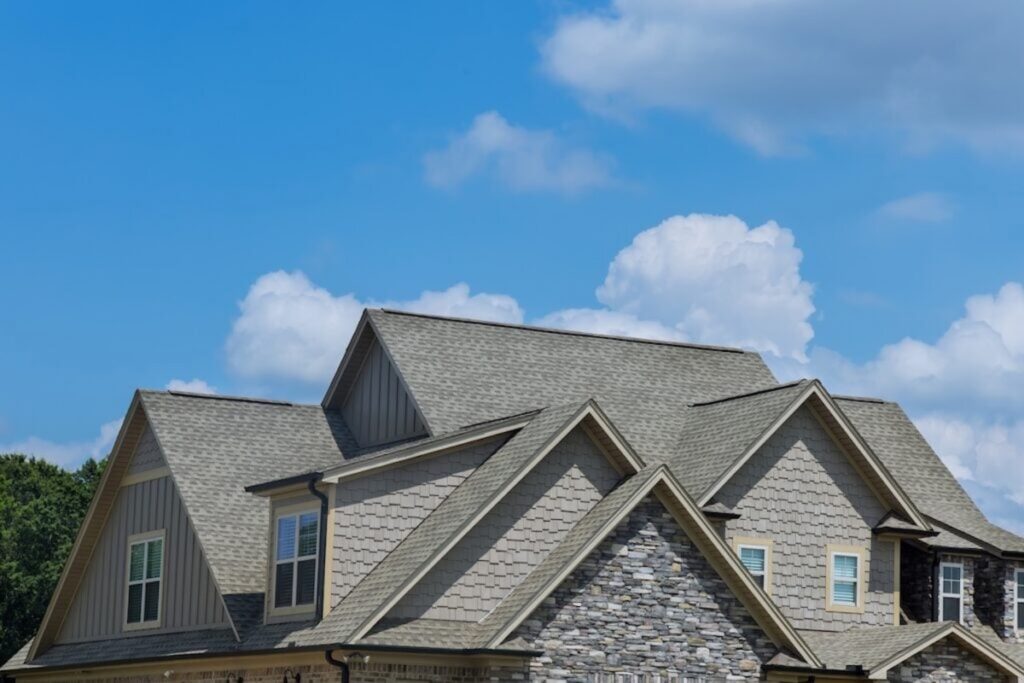
Your Next Steps for Roofing Longevity
Deciding on the right time to repair or replace a roof involves evaluating its age, condition, material, and the environmental factors discussed earlier. Florida Roof Bros can assist homeowners by providing thorough inspections and expert recommendations crafted for longevity and protection. With a careful approach backed by experience, you can ensure your roof continues to defend your home effectively.
To protect your investment and learn more about roofing services designed to suit your home’s specific needs, contact us today at Florida Roof Bros and surrounding areas.
Written By: Florida Roof Bros
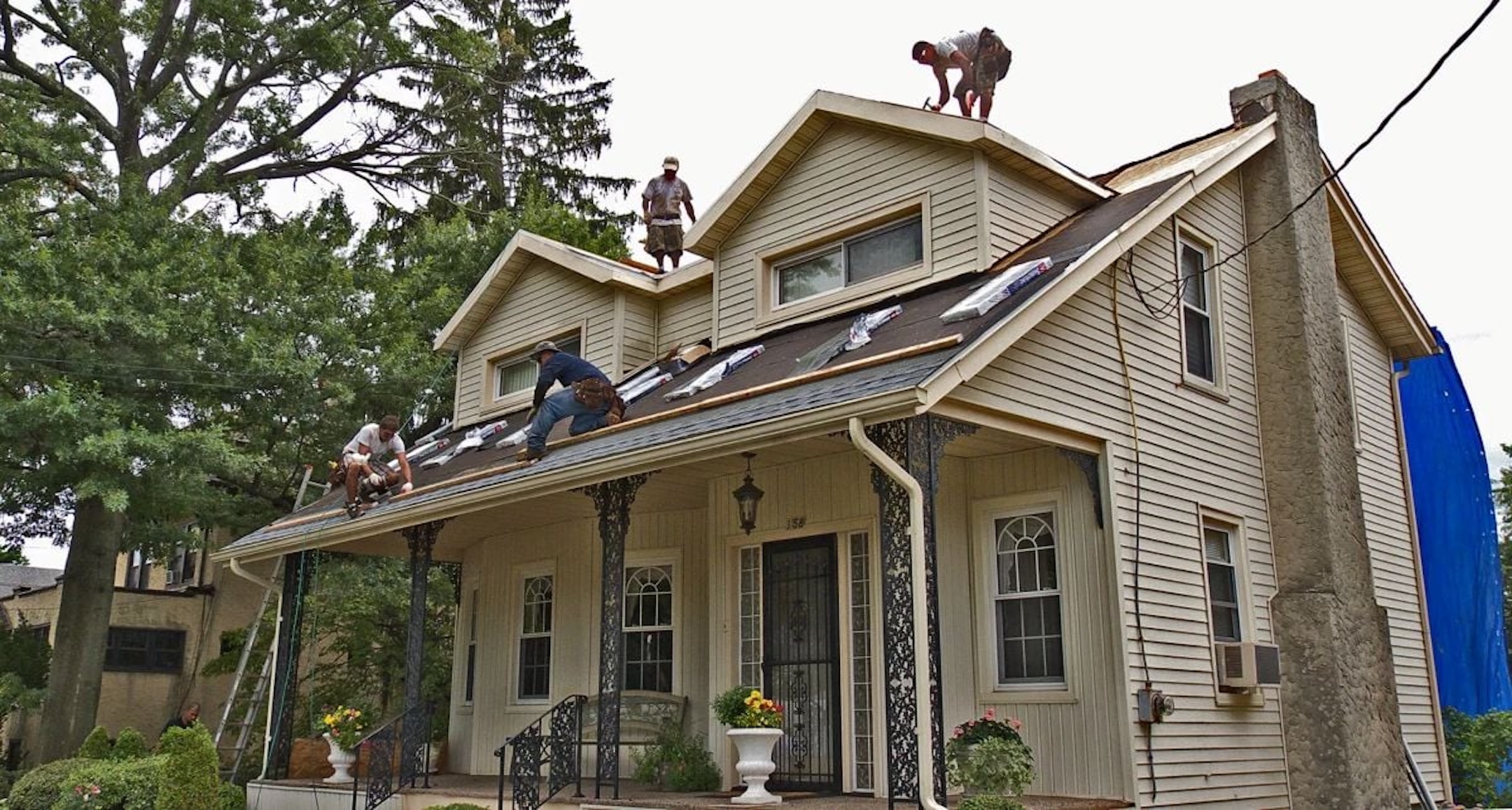
How Much Should a Roof Inspection Cost? A Detailed Look for Homeowners
Understanding the roof inspection cost is crucial for every homeowner aiming to maintain their property’s integrity and value. A roof inspection is a proactive step that identifies potential issues before they become costly repairs, ensuring your home remains safe and weatherproof. For those interested in a comprehensive overview of roofing services, exploring general roofing options can provide valuable insights into how inspections fit into overall roof maintenance.
- Factors influencing roof inspection costs
- Typical price ranges in the roofing industry
- How region and roofer experience impact pricing
- What to expect during a roof inspection
- Tips to get the best value for your inspection
Why Understanding Roof Inspection Cost Matters for Homeowners
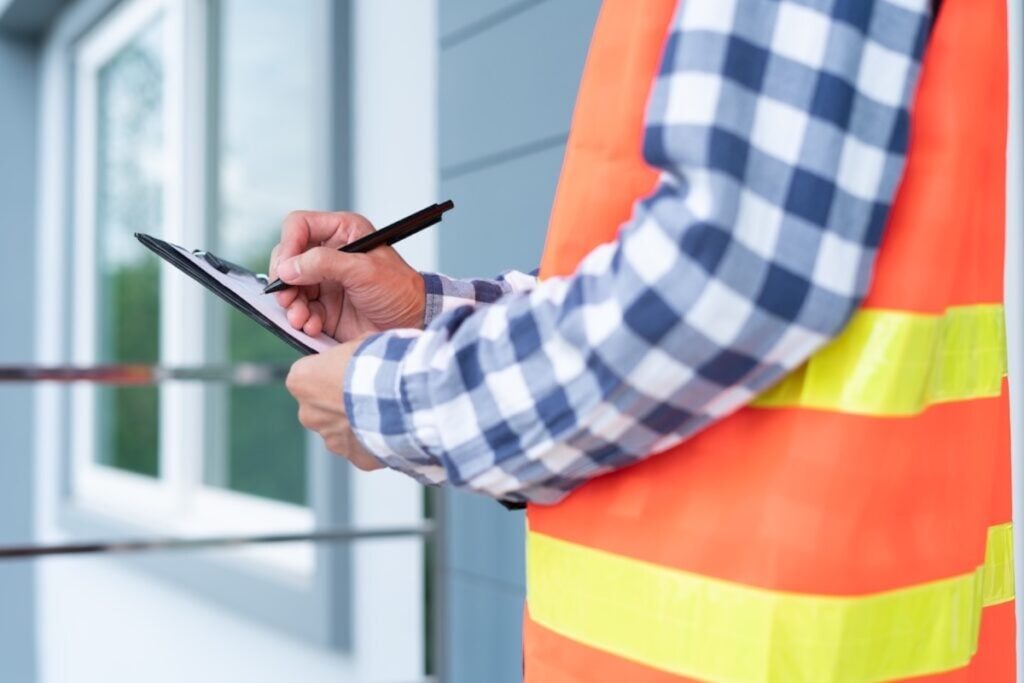
Knowing the cost of a roof inspection helps homeowners budget wisely and avoid unexpected expenses. A roof inspection can uncover hidden problems like leaks or structural weaknesses that may turn into expensive repairs if neglected. Additionally, this knowledge empowers homeowners to choose reputable contractors and services without overpaying.
- Prevention: Identifying small issues early can save thousands in future repairs.
- Investment protection: Ensures the longevity and durability of your roof.
- Insurance and resale: Provides documentation needed for insurance claims or home sales.
- Peace of mind: Confirms your roof is in good condition, protecting your family and belongings.
4 Key Factors Affecting the Cost of a Roof Inspection
While the cost of roof inspections varies, certain elements consistently influence the price. It’s helpful to understand these before scheduling your inspection to ensure that you receive fair pricing and thorough service.
1. Roof Size and Complexity
A larger or more complex roof requires longer inspection time and more resources, raising the overall cost.
- Size: Bigger roofs take more time and effort to examine.
- Design complexity: Multi-level or steep roofs need specialized inspection techniques.
2. Type of Roof Material
Some roofing materials, such as slate or tile, require careful handling and specialized knowledge, potentially increasing inspection expenses.
3. Location and Region
Inspection costs can vary depending on geographic location due to labor costs and local market demands.
- Regional averages: Urban areas generally have higher prices than rural locations.
- Climate considerations: Areas with severe weather may have more comprehensive inspection protocols.
4. Experience and Reputation of the Roofer
Experienced and well-regarded roofing professionals typically charge more for their services but often provide higher-quality inspections.
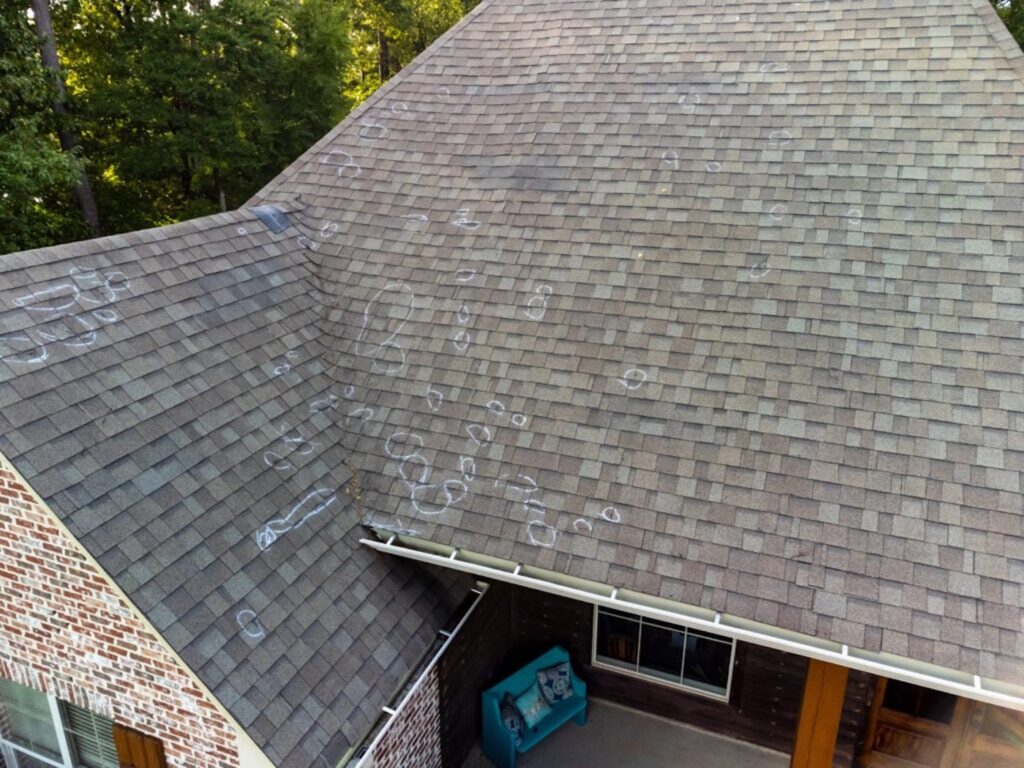
How to Assess Roof Inspection Costs: A Step-by-Step Guide for Homeowners
Knowing how to evaluate inspection quotes can save you money and ensure you hire the right professional. Here is a structured approach to assess roof inspection costs accurately.
Step 1: Research Local Price Ranges
Start by gathering information on typical costs in your area. Roof inspection costs usually range between $150 and $400, but regional factors can cause variation.
- Compare multiple quotes: Collect at least three estimates for a clear market picture.
- Look for transparent pricing: Ensure the roofer breaks down what is included.
Step 2: Understand What’s Included in the Inspection
Read the scope of services carefully. Inspections that include interior attic checks, gutter assessments, and report generation usually justify higher fees.
Step 3: Verify Credentials and Experience
Confirm that your roofer holds the proper licenses, insurance, and certifications and check reviews or testimonials from previous clients.
Step 4: Consider Additional Technologies
Decide whether you want advanced services such as drone surveys or thermal imaging, which increase inspection accuracy but also cost.
Step 5: Negotiate and Schedule Appropriately
Don’t hesitate to ask if discounts or package deals are available, especially if planning further roofing work with the same contractor.
Step 6: Prepare Your Home
Ensure that access points like attic hatches and exterior ladders or scaffolding are ready to avoid unexpected fees or delays during the inspection.
Step 7: Review the Final Report
Ensure the roofer provides a clear, detailed report with photos and actionable recommendations to make informed decisions.
Additional Tips to Manage Roof Inspection Costs Effectively
In addition to knowing what influences roof inspection costs, applying smart strategies can improve value and save money.
- Schedule routine inspections: Regular checks prevent expensive emergency repairs.
- Bundle services: Combining inspections with maintenance or minor repairs can reduce total costs.
- Negotiate terms: Ask for flexible payment plans or discounts for referrals.
- Educate yourself: Understand basic roof health indicators to better communicate with your roofer.
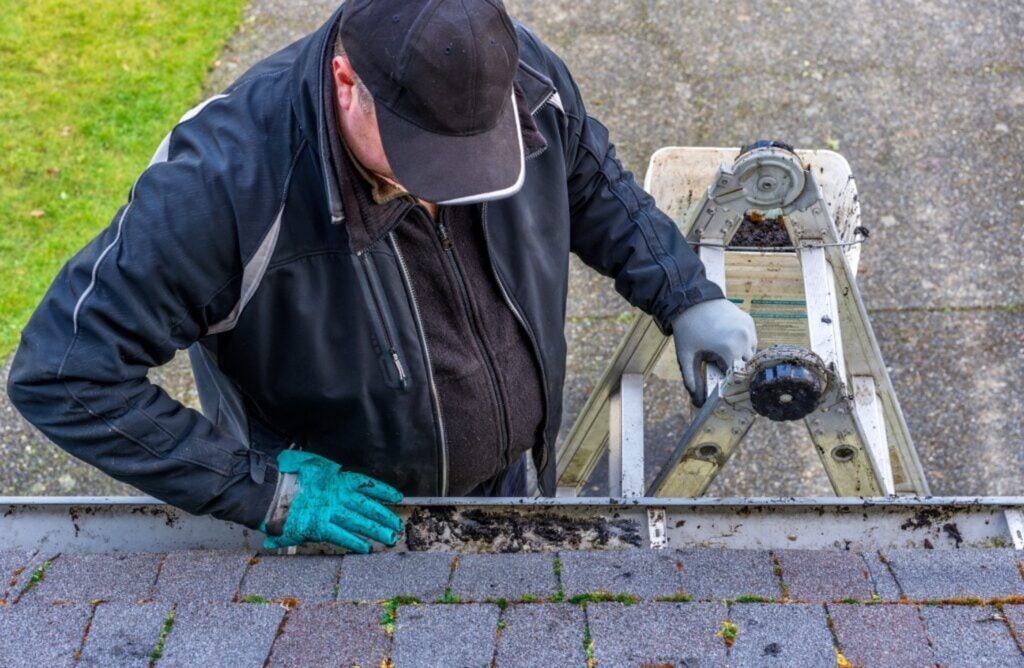
Frequently Asked Questions About Roof Inspection Costs
- Is a roof inspection free? Some companies offer complimentary inspections, especially if you schedule repair work, but detailed reports usually cost between $150 and $400.
- Does home insurance cover inspection costs? Typically, insurance does not cover inspections but may cover repairs recommended by an inspection following a claim.
- How often should I get my roof inspected? It’s advisable to inspect your roof annually and after major storms or severe weather.
- What does a roof inspection include? A comprehensive inspection reviews shingles, flashing, gutters, roof structure, attic ventilation, and signs of leaks or damage.
- Can I do a roof inspection myself to save money? Homeowners can do basic checks but professional inspections provide detailed insights and avoid safety risks.
Maximize Your Investment with Florida Roof Bros
Understanding roof inspection cost equips you to protect your property effectively. To get an expert evaluation and top-quality service in your area, don’t hesitate to contact us today at Florida Roof Bros. We offer competitive rates combined with professional expertise to help you maintain a secure and durable roof for years to come.
Written By: Florida Roof Bros

What Is a Commercial Roof Inspection? 6 Key Insights
Understanding the importance of a commercial roof inspection is vital for every business owner and property manager. A well-maintained roof safeguards your investment, prevents costly repairs, and ensures a safe environment for occupants. For those seeking expert assistance, exploring comprehensive commercial roofing services can provide valuable support in scheduling inspections and maintenance.
- Learn why commercial roof inspections matter for your property.
- Discover six essential insights that define a successful inspection.
- Understand common issues detected during inspections and how to address them.
- Explore the frequency, types, and benefits of commercial roof inspections.
- Gain practical advice on choosing the right inspection services for your needs.
Why Commercial Roof Inspections Are Essential for Your Business Property
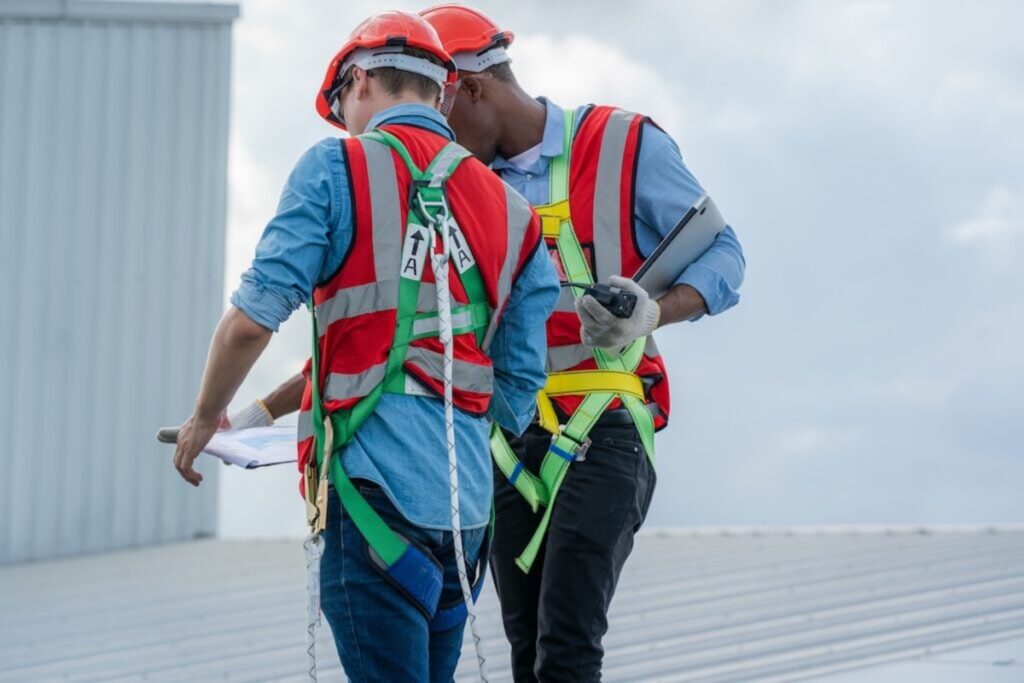
A commercial roof inspection plays a crucial role in preserving the longevity and performance of your roofing system. Your roof is exposed to harsh weather conditions, daily wear, and potential structural challenges that can compromise its integrity. Proactively identifying issues through inspections reduces the risk of emergency repairs and business interruptions.
- Risk Prevention: Early detection of damage mitigates costly repairs.
- Compliance Assurance: Ensures your roof meets commercial building codes.
- Investment Protection: Prolongs roof lifespan to maximize ROI.
- Energy Efficiency: Identifies leaks and insulation issues affecting utility costs.
- Property Safety: Maintains a safe environment for occupants and employees.
6 Key Insights Into Conducting Effective Commercial Roof Inspections
Whether you oversee retail, office, or industrial spaces, understanding key elements of commercial roof inspections helps you make informed decisions. These insights highlight what professional inspectors evaluate and why each item matters.
1. Visual and Structural Assessment
Inspectors begin with a thorough visual inspection of the roof surface, paying close attention to any signs of wear, damage, or structural issues. This includes evaluating the roof membrane, flashing, drains, and parapets to detect cracks, blisters, or punctures that could lead to leaks.
- Surface Condition: Checking for tears, blisters, or ponding water.
- Structural Integrity: Examining supports and framework for sagging or damage.
2. Identification of Moisture or Leak Problems
Locating potential points where water intrusion can occur is critical. Moisture seeping through the roof compromises insulation and can cause mold growth inside the building. Inspectors use specialized tools such as moisture meters and infrared cameras to detect hidden water damage.
- Leak Detection: Using infrared technology to find wet areas.
- Inspection of Seals: Verifying the condition of joints and sealants.
3. Evaluation of Roof Drainage Systems
Proper drainage prevents water accumulation that strains the roof structure and accelerates deterioration. During inspections, all gutters, scuppers, and drains are reviewed for blockages or damages.
- Drainage Flow: Confirming water moves freely to prevent ponding.
- Debris Removal: Ensuring drains and gutters are clear.
4. Review of Roof Installation and Repairs History
A thorough inspection includes analyzing the building’s roofing history to understand previous repairs or replacements. This helps the inspector identify potential recurring problems or warranty issues that could affect future maintenance.
- Documentation Review: Checking past service records.
- Warranty Compliance: Ensuring repairs meet manufacturer standards.
5. Assessment of Roof Materials and Their Condition
Understanding the type and age of roofing materials is essential for anticipating their remaining useful life and potential vulnerabilities. This information guides recommendations for maintenance or replacement.
- Material Type: Identifying membrane, metal, or built-up roofing.
- Wear Signs: Detecting shrinkage, cracking, or weathering effects.
6. Safety and Accessibility Considerations
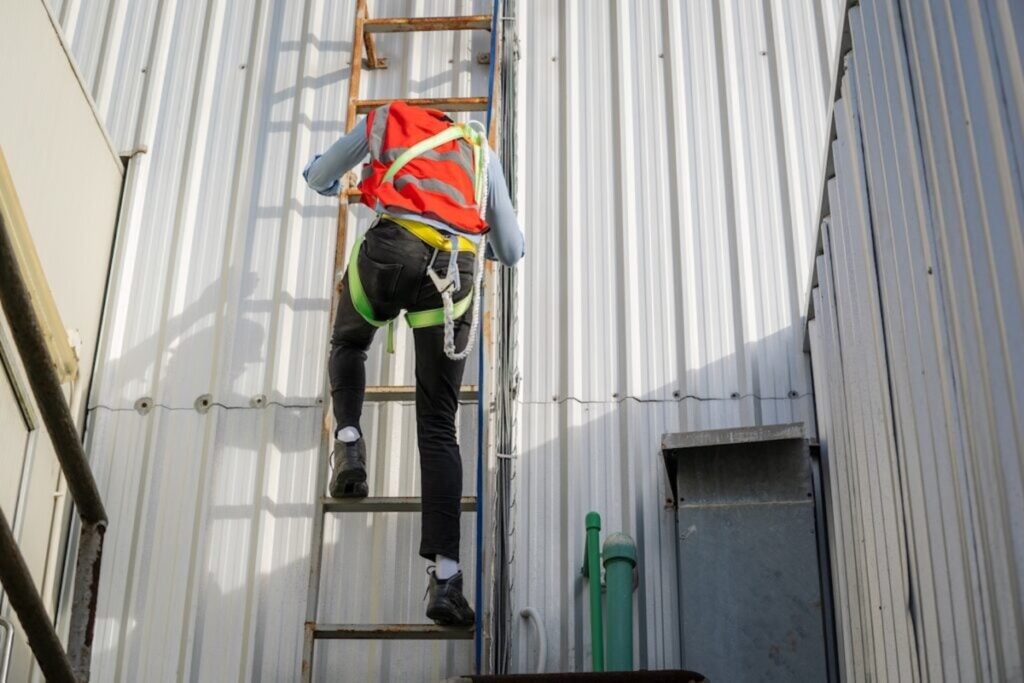
An inspection naturally evaluates how safely and easily the roof can be accessed for future inspections or repairs. This includes checking for secure ladders, walkways, and fall protection systems to ensure workers’ safety.
- Access Points: Confirming safe routes to the roof.
- Protection Systems: Reviewing guardrails and anchor points.
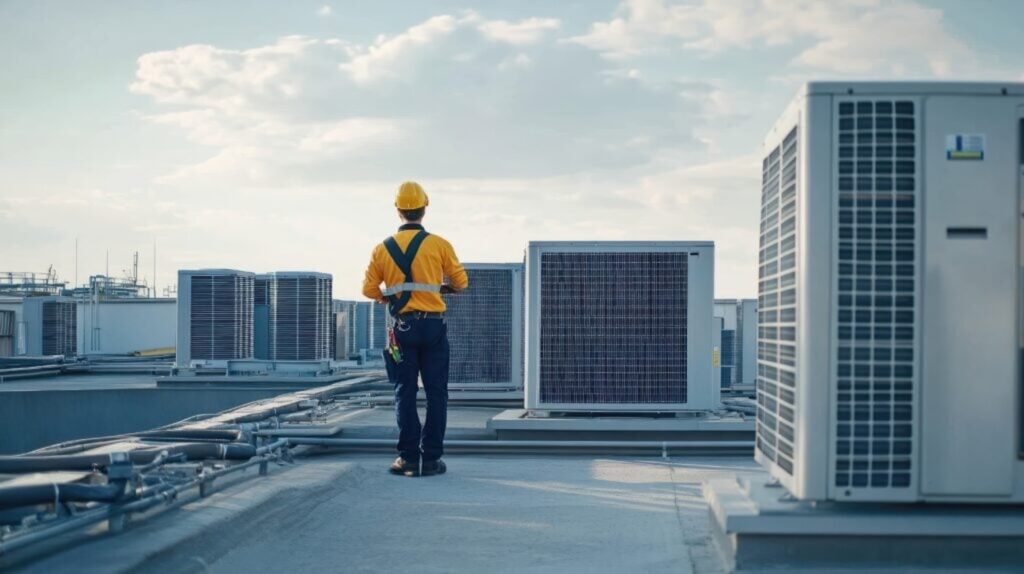
Beyond the Basics: Enhancing Your Understanding of Commercial Roof Inspections
Expanding your awareness of commercial roof inspections includes grasping their frequency, types, and the benefits they bring to your property operations.
Frequency of Inspections
Commercial roofs typically require inspection at least twice a year—commonly in spring and fall—or immediately following severe weather events such as heavy storms or hurricanes. Regular inspections catch issues before they escalate into major problems.
Types of Roof Inspections
There are several approaches to roof inspections, including:
- Routine Inspections: Scheduled checks to maintain routine maintenance.
- Diagnostic Inspections: Investigations triggered by suspected problems.
- Comprehensive Inspections: Detailed examinations often required during property transactions or insurance assessments.
Benefits of Professional Inspections
Hiring licensed roofing professionals ensures accuracy and thoroughness during evaluations, giving you peace of mind and documented records for insurance or compliance purposes.
Choosing the Right Commercial Roof Inspection Service
Selecting a trustworthy and experienced commercial roofing inspection provider is essential to maximize the value of your investment. Here are key factors to consider:
- Experience and Credentials: Verify certifications and years of commercial roofing expertise.
- Comprehensive Reporting: Ensure detailed inspection reports with photos and recommendations.
- Customer Reviews: Look for strong testimonials and proven service satisfaction.
- Technology Utilization: Check if the service uses advanced tools like infrared imaging.
- Warranty and Service Guarantees: Assess the support provided after inspections or repairs.
Frequently Asked Questions About Commercial Roof Inspections
Clarifying common concerns helps property managers better prepare for inspections and maintenance decisions.
Q: How long does a typical commercial roof inspection take?
A: Depending on roof size and complexity, inspections generally range from one to several hours.
Q: Can inspections detect all types of roof damage?
A: While visual and specialized tools identify most problems, some internal damage may require further testing or monitoring.
Q: Should I perform inspections myself or hire professionals?
A: Due to safety and technical requirements,
Q: How much does a commercial roof inspection cost?
A: Costs vary widely based on roof size and location but investing in professional inspections often saves money over time by preventing major repairs.
Protect Your Commercial Property Today
Understanding the significance of a commercial roof inspection can save your business from unexpected expenses and provide assurance in maintaining your property’s health. Florida Roof Bros encourages you to take proactive steps in scheduling an inspection to secure your investment, protect your employees, and extend the life of your roof. To start the process, contact us today at Florida Roof Bros and let us help you keep your commercial roof in excellent condition.
Written By: Florida Roof Bros
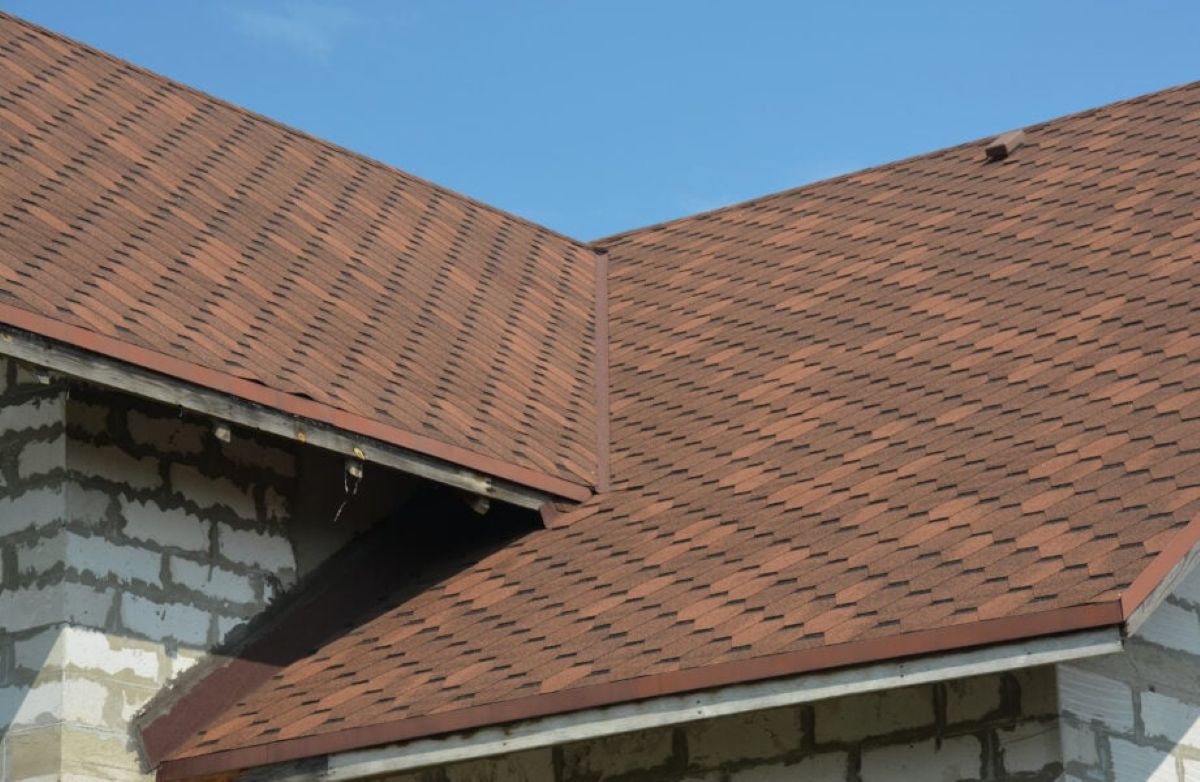
4 Types of Roof Flashing (Styles, Materials, & More)
When it comes to protecting your home from water damage and ensuring the longevity of your roof, understanding roof flashing is essential. Roof flashing serves as a barrier that prevents water from seeping into vulnerable areas, such as joints and roof penetrations. This small but crucial element can make all the difference in maintaining a secure and durable roofing system. If you want to learn more about comprehensive roofing solutions designed to keep your home safe and dry, explore services related to general roofing.
- Discover the importance of roof flashing and its benefits for your roof system.
- Learn about different types of roof flashing styles and where they are used.
- Understand the various materials used for roof flashing and their pros and cons.
- Get tips on maintenance and best practices to extend the life of your flashing.
Why Roof Flashing Is Essential for Every Roof
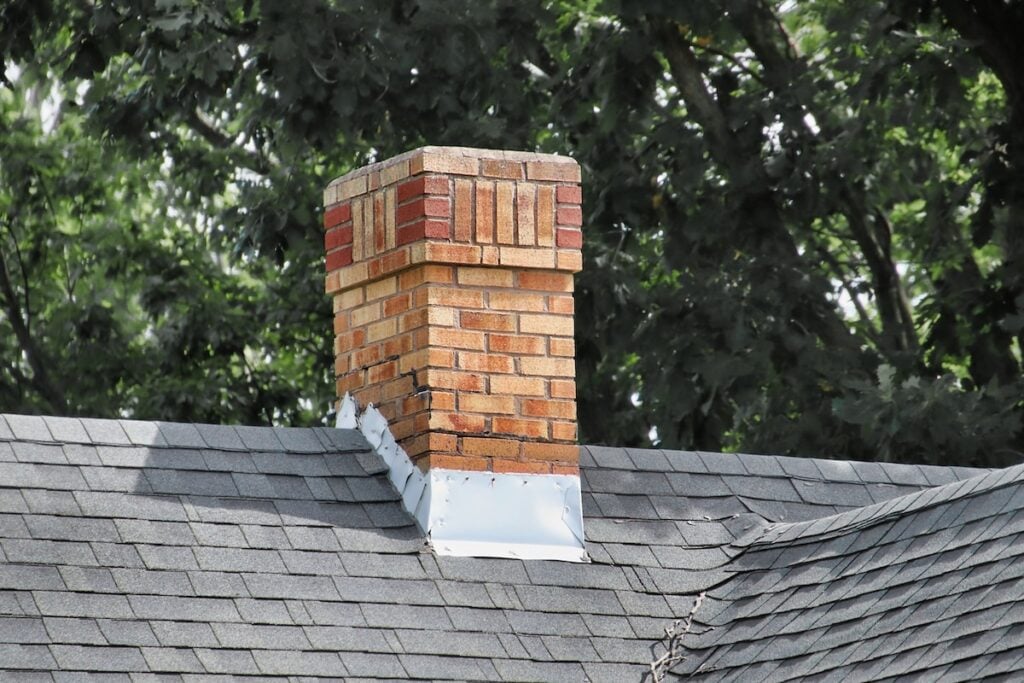
Roof flashing plays a vital role in a roof’s ability to resist water intrusion and weather damage. This waterproofing component is installed at critical points where two roofing surfaces intersect or around openings such as chimneys and vents. Without proper flashing, water can easily infiltrate, causing structural damage and costly repairs. Below are some key reasons why roof flashing is important.
- Waterproof Protection: Prevents leaks by sealing roof joints and penetrations, protecting the underlying structure.
- Expanded Roof Longevity: Reduces wear and damage caused by water exposure, helping your roof last longer.
- Structural Integrity: Maintains the strength of your roofing system by preventing moisture-related deterioration.
- Energy Efficiency: Helps minimize air and moisture infiltration, improving overall energy efficiency of your home.
- Cost Savings: Avoids expensive repairs and premature roof replacement by addressing water intrusion early.
4 Common Types of Roof Flashing and Their Uses
Understanding the different types of roof flashing can help you identify what your roof may require. Each style is suited for specific locations and purposes, ensuring optimal protection against water and weather elements. Here are five common types of roof flashing.
1. Step Flashing
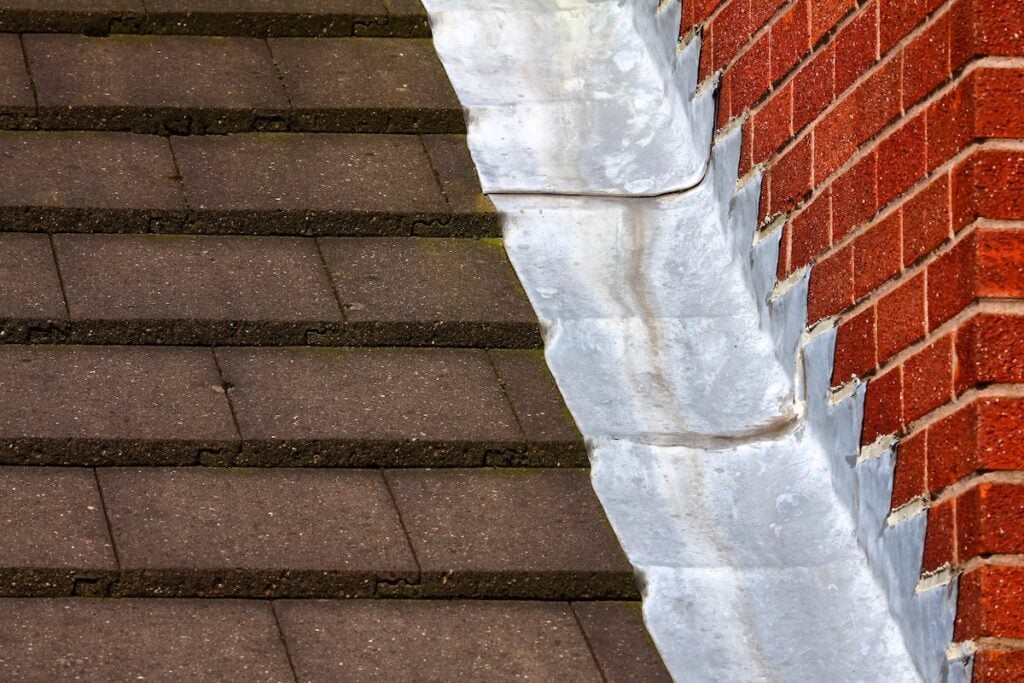
Step flashing is commonly used where a roof meets a vertical wall, such as on dormers or chimneys. It is installed in segments that overlap with the roofing material to direct water away from the wall-roof junction.
- Pieces are installed in layers alternating with shingles.
- Allows water to flow down and away without seeping behind the siding.
- Typically made of metal, ensuring durability in this critical area.
2. Continuous Flashing (Apron Flashing)
This type of flashing is a single, continuous piece of metal that runs along the edge of a roof element, such as where the roof meets a chimney or skylight. It provides a strong barrier to block water penetration in these vulnerable areas.
- Often used along chimneys, skylights, and dormers.
- Create a tight seal that directs water towards the roof surface.
3. Valley Flashing
Valley flashing is installed in the valleys formed by the intersection of two roof slopes. Because valleys channel large volumes of water, this flashing type is essential to prevent leaks.
- Made from durable metal such as aluminum or galvanized steel.
- Installed under roofing materials to guide water safely off the roof.
- Shapes the valley with a smooth surface to prevent debris buildup.
4. Collar Flashing
Collar flashing is placed around pipes or vent stacks that protrude through the roof. It provides a waterproof seal where these vertical elements meet the roofing surface.
- Comprises a collar-like piece that fits snugly around pipes.
- Prevents water from entering through gaps around plumbing or vent pipes.
Materials Used for Roof Flashing
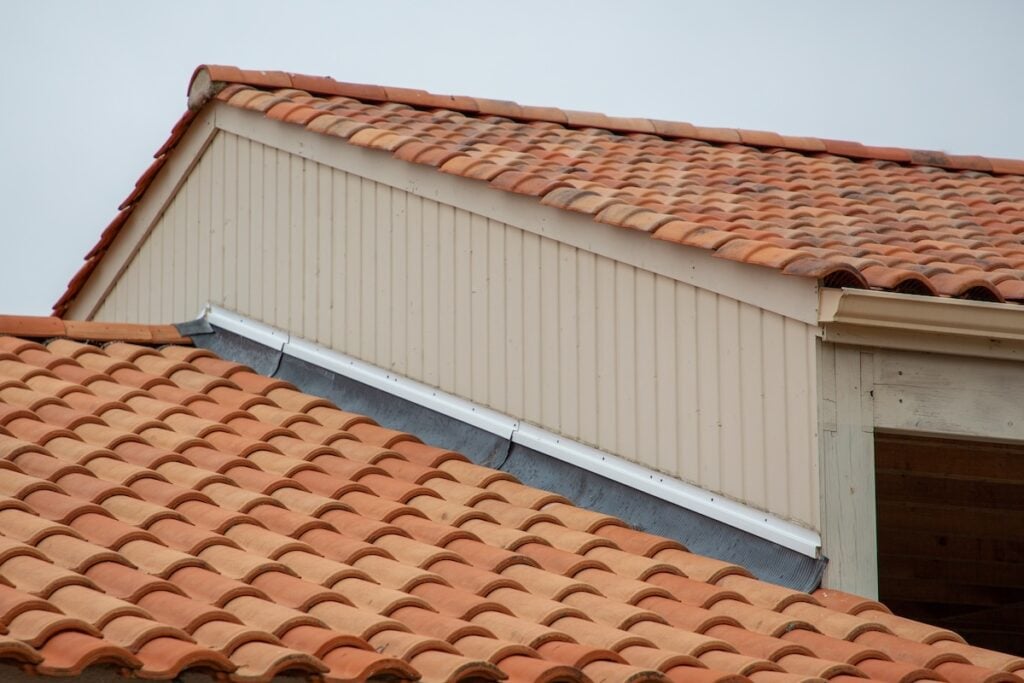
Choosing the right material for roof flashing is crucial for both effectiveness and durability. Different metals and materials offer various benefits and limitations depending on your climate, roof type, and budget. Below are some popular materials used for roof flashing.
- Aluminum: Lightweight and corrosion-resistant, aluminum flashing is ideal for many applications and resists rust in moist environments.
- Galvanized Steel: Strong and durable, galvanized steel is cost-effective but may corrode over time without proper coating.
- Copper: Known for its longevity and resistance to corrosion, copper flashing offers an attractive finish that ages gracefully but comes at a higher cost.
- Lead: Historically common, lead offers flexibility and durability but is less frequently used today due to environmental concerns.
- Rubber and EPDM: Synthetic flashing materials provide waterproof seals and are often used on flat or low-slope roofs.
Factors to Consider When Selecting Flashing Materials
- Climate Compatibility: Metals like aluminum and copper perform well in wet or coastal environments.
- Longevity: Copper and lead tend to last the longest, reducing the need for frequent replacement.
- Aesthetics: Copper offers a visually pleasing finish for exposed flashing areas.
- Budget: Galvanized steel and aluminum tend to be more affordable options.
Tips for Maintaining and Extending the Life of Roof Flashing
Proper maintenance of roof flashing ensures it continues to protect your roof effectively and avoid costly repairs. Regular inspections and minor repairs can make a significant difference in your roof’s performance. Here are some helpful tips to keep your flashing in optimal condition.
Regular Inspections
- Inspect flashing annually or after severe weather to check for damage or deterioration.
- Look for signs of rust, cracks, or loose edges.
- Identify any areas where flashing may be pulling away from roofing materials.
Cleaning and Debris Removal
- Remove leaves, branches, or other debris that can trap moisture around flashing.
- Ensure valleys and edges are free of materials that could cause water backup.
Prompt Repairs
- Seal small gaps or cracks with roofing-grade silicone or sealant.
- Replace damaged flashing sections as soon as issues are detected.
- Consult with a professional roofer for extensive damage or uncertain repairs.
Consider Professional Maintenance Services
Professional roofers can perform comprehensive flashing inspections and repairs that extend the life of your roof. These experts use high-quality materials and follow proper installation techniques to ensure ongoing protection. Whether your roof flashing needs a quick fix or a full replacement, seeking professional assistance helps keep your roofing system strong and secure.
Comparing Roof Flashing Options for Different Roof Types
Not all roofs require the same flashing solutions. Depending on the roof style and materials, flashing choices must be tailored to provide the best performance against weather challenges. Here’s a quick comparison of how roof flashing varies based on the roof type:
| Roof Type | Common Flashing Types | Material Preferences | Key Considerations |
| Asphalt Shingle Roof | Step Flashing, Drip Edge, Valley Flashing | Aluminum, Galvanized Steel | Ensure flashing layers overlap shingles properly to prevent water seepage. |
| Metal Roof | Continuous Flashing, Drip Edge | Copper, Aluminum | Match metal type for compatibility to avoid corrosion; consider aesthetics. |
| Flat Roof | Rubber/EPDM Flashing, Metal Flashing on Penetrations | Rubber, Lead, Aluminum | Focus on flexible materials and thorough sealing around pipes and vents. |
| Tile Roof | Step Flashing, Valley Flashing | Copper, Aluminum | Flashing must conform to curved tiles and ensure secure water diversion. |
By selecting the appropriate flashing type and material based on your roof’s construction, you can maximize protection and efficiency.
Protect Your Roof with Quality Flashing Solutions
Understanding roof flashing and its different types is key to maintaining a strong, water-resistant roofing system. The choices you make regarding style and material impact the durability and efficiency of your roof for years to come. Whether you are installing a new roof or repairing an existing one, proper flashing installation should never be overlooked.
For personalized advice and expert installation ensuring your roof flashing is up to industry standards, contact us today. Our specialists will assess your needs and provide reliable solutions to keep your home safe and dry through every season.
Written By: Florida Roof Bros
Shingle Roofing
5 Reasons to Consider Owens Corning Shingles for Your Roof
Choosing the right roofing material is a crucial decision for any homeowner, and when it comes to selecting shingles, the options can be overwhelming. One standout choice that has gained widespread recognition is owens corning shingles. Known for their durability, aesthetic appeal, and industry-leading technology, these shingles offer exceptional value and protection for your home. Whether you are repairing an old roof or installing a new one, understanding the benefits of Owens Corning shingles can help you make an informed decision that safeguards your investment for years to come. To explore your roofing options further, consider checking out specialized shingle roofing solutions that combine quality materials with expert installation services.
- Discover why Owens Corning shingles are a smart investment for roofing projects.
- Learn about the key features and benefits that set these shingles apart.
- Understand the top reasons homeowners and contractors prefer Owens Corning.
- Explore maintenance tips to maximize the lifespan of your shingles.
- Find out how to select the right style and color to enhance your home’s curb appeal.
The Importance of Choosing Quality Roofing Shingles
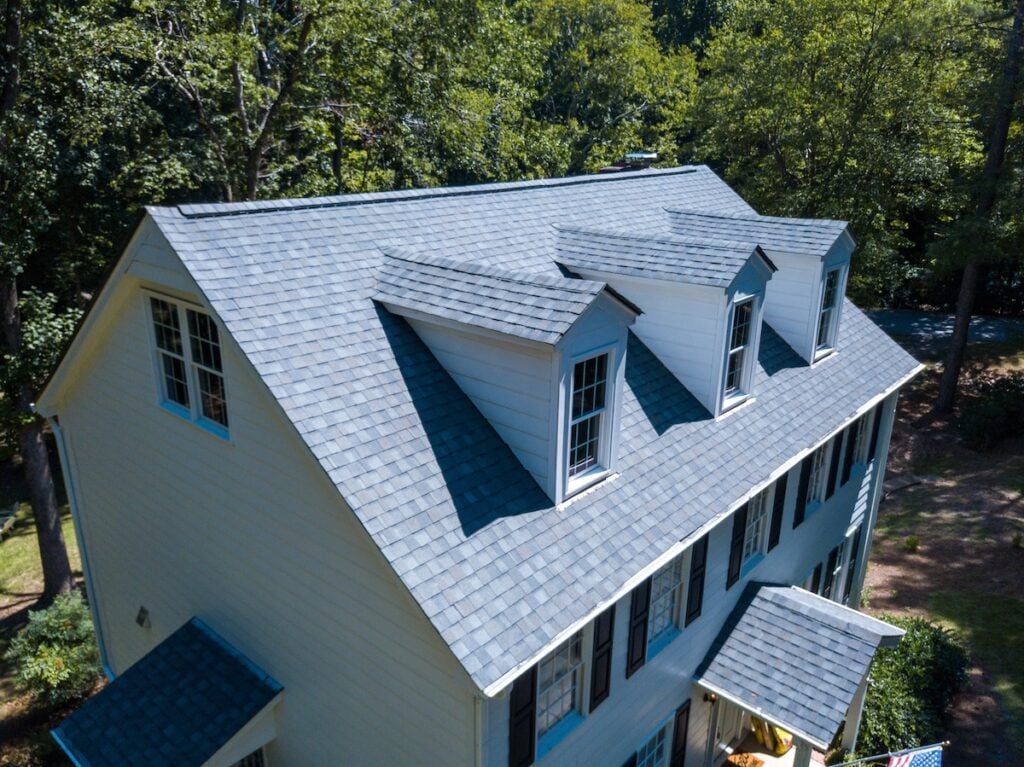
Investing in high-quality roofing materials like Owens Corning shingles impacts your home in several powerful ways. The roof is your home’s primary shield against weather and environmental factors, so selecting shingles that combine performance and longevity is critical. Below are some vital benefits you gain from choosing superior roofing shingles:
- Durability: Quality shingles resist cracking, fading, and weather damage, ensuring your roof stays intact for decades.
- Energy Efficiency: Reflective granules in advanced shingles reduce heat absorption, contributing to lower cooling costs and enhanced home comfort.
- Increased Home Value: A well-installed, attractive roof can significantly boost curb appeal and resale value.
- Warranty Protection: Trusted brands like Owens Corning back their products with robust warranties that provide peace of mind.
- Environmental Responsibility: Many modern shingles are manufactured with sustainability in mind, using recycled materials and eco-friendly processes.
Understanding these benefits underscores why investing in high-grade shingles is more than a cosmetic choice—it’s a strategic home improvement decision.
5 Key Reasons to Choose Owens Corning Shingles
Owens Corning has developed a strong reputation through decades of innovation and quality assurance. Here are the top five reasons that make Owens Corning shingles a preferred choice among homeowners and roofing professionals alike.
1. Industry-Leading Durability and Performance
Owens Corning shingles are engineered to withstand the toughest weather conditions, including heavy rain, strong winds, and hail. Their proprietary asphalt formulations and fiberglass mats provide enhanced strength and resistance to wear and tear compared to generic alternatives.
- Wind resistance ratings reaching up to 130 mph.
- Impact resistance Class 4 certification for superior protection against hail.
- Advanced granule technology reduces algae growth and color fading.
2. Comprehensive Warranty Coverage
When you invest in Owens Corning shingles, you gain access to some of the most comprehensive warranties in the roofing industry. This includes a limited lifetime warranty and SureNail Technology backed warranties that enhance product reliability.
- Limited Lifetime Warranty on many shingle products.
- Prorated and non-prorated coverage options for material defects.
- Enhanced warranty when installed by certified contractors.
3. Aesthetic Variety and Style Options
With Owens Corning, homeowners are not limited in design. Available in various colors, textures, and styles, these shingles allow you to customize your roof’s appearance to complement your architectural design seamlessly.
- Architectural and traditional 3-tab shingle varieties.
- Color blends that mimic natural wood shake and slate.
- Options for reflective granules to improve energy efficiency.
4. Innovation with SureNail® Technology
SureNail Technology enhances granule adhesion and provides a tough, wider nailing zone to minimize installation errors. This innovation increases holding power and reduces the chances of blow-offs, prolonging your roof’s lifespan.
- Provides double gripping power with trapezoid-shaped nailing strip.
- Reduces installation variability for consistent results.
- Helps shingles withstand strong winds and severe storms.
5. Commitment to Sustainability
Owens Corning integrates eco-friendly practices in manufacturing, such as using recycled materials and reducing waste, aligning product excellence with environmental responsibility. This means your roofing investment also supports green building practices.
- Many shingles include recycled content without sacrificing quality.
- Energy Star® rated shingles that lower your home’s energy consumption.
- Programs that support responsible disposal and recycling of old roofs.
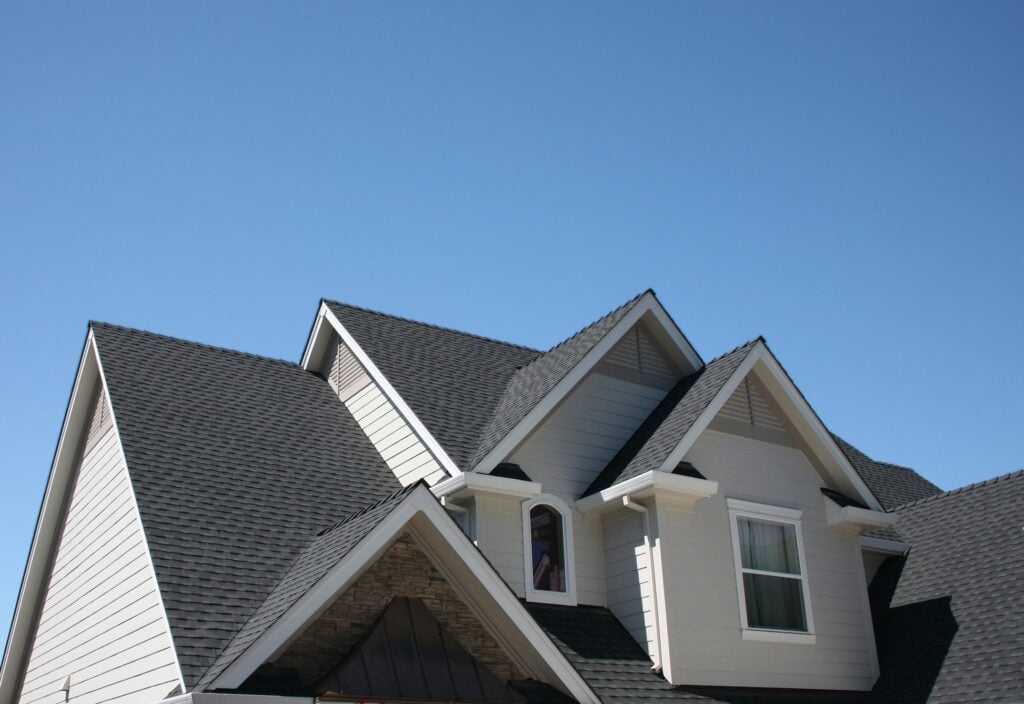
How to Maintain Your Owens Corning Shingles for Long-Term Success
Proper maintenance helps extend the durability and appearance of your Owens Corning shingles. Simple upkeep can make a significant difference in your roof’s lifespan and performance. Consider the following maintenance tips:
- Regular Inspections: Check your roof twice yearly and after severe weather for any signs of damage.
- Cleaning Debris: Remove leaves, branches, and moss to prevent moisture buildup and deterioration.
- Gutter Maintenance: Ensure gutters and downspouts are clear to avoid water backup that can damage shingles.
- Algae and Stain Treatment: Use gentle cleaning solutions recommended for asphalt shingles to treat discoloration.
- Prompt Repairs: Address missing or damaged shingles quickly to prevent leaks and underlying structural issues.
Regular maintenance not only protects against costly repairs but also preserves the aesthetic appeal of your roofing investment.
Comparing Owens Corning Shingles with Other Roofing Options
Exploring roofing alternatives can help you evaluate whether Owens Corning shingles are the best fit for your needs. Below is a comparison table outlining key differences between Owens Corning shingles and other common roofing materials.
| Feature | Owens Corning Shingles | Metal Roof | Clay Tile | Wood Shingles |
| Durability | High; wind and impact resistant | Very high; resists fire and insects | High; long-lasting but brittle | Moderate; susceptible to rot and fire |
| Cost | Moderate; excellent value for quality | Higher; installation and material costs | High; material and labor intensive | Moderate; requires regular maintenance |
| Aesthetic Appeal | Variety of styles and colors | Modern and sleek look | Distinctive, elegant look | Rustic, traditional style |
| Energy Efficiency | Energy Star® rated options | Reflective, reduces cooling costs | Good insulation properties | Moderate insulation |
| Maintenance | Low to moderate | Low | Moderate to high | High |
This comparison shows Owens Corning shingles balance cost-effectiveness, durability, and style, making them an ideal solution for many homeowners.
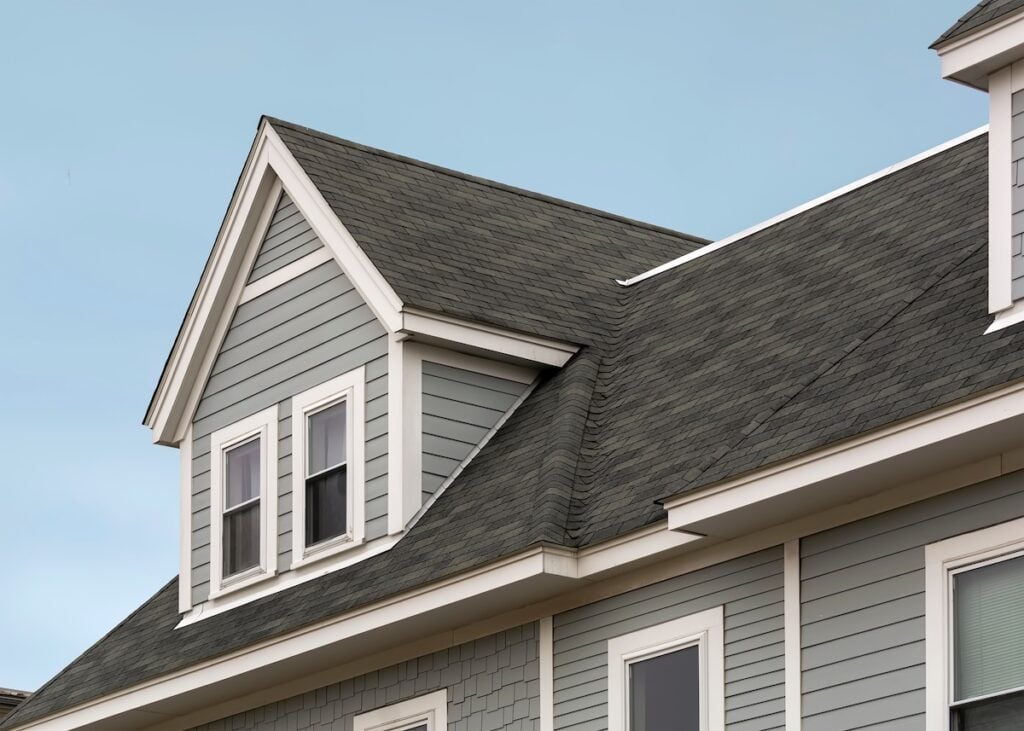
Owens Corning Shingles: Worth The Investment
Investing in Owens Corning shingles means choosing a roofing material that combines durability, beauty, and modern technology to protect your home effectively. These shingles offer exceptional warranties, superior performance, and a variety of design options that stand out in the competitive roofing market.
If you are considering a roof replacement or upgrade, do not hesitate to contact us today to discuss how professional installation paired with Owens Corning shingles can deliver a lasting, high-quality roof that enhances your home’s value and security.