

Articles
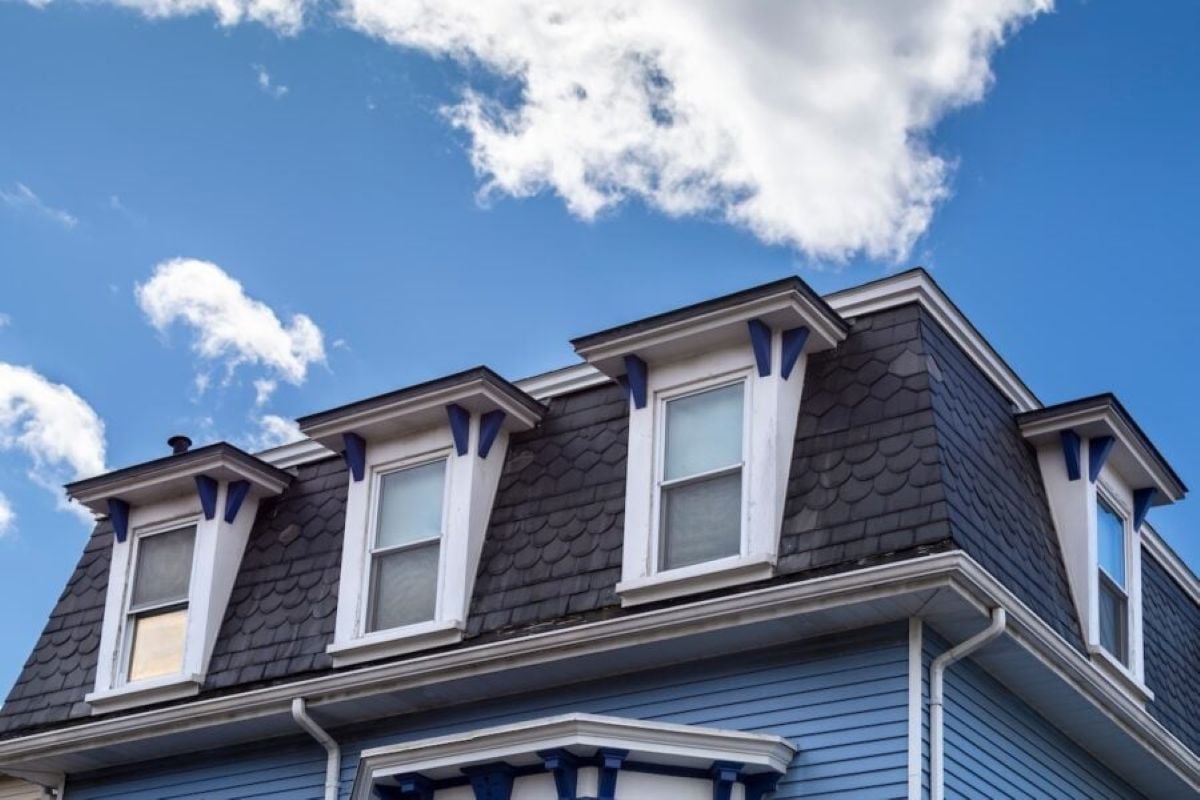
What Is a Mansard Roof? (Structure, Style Components, & More)
Understanding different roof styles is essential when considering your home’s design or planning a renovation. A mansard roof offers a unique blend of function and style, making it an increasingly popular choice for homeowners and architects alike. This distinctive roof type not only enhances the architectural appeal of a building but also provides practical benefits such as expanded living space. For more information on roofing options that can elevate your home’s look and functionality, explore options related to general roofing services.
- Learn what defines a mansard roof and how it differs from other roof types
- Discover the architectural and functional benefits of a mansard roof
- Identify the key structural and style components that make mansard roofs unique
- Explore common applications and variations of mansard roofs in residential and commercial buildings
- Understand maintenance considerations and when to seek professional roofing services
Why the Mansard Roof Is Important in Architecture and Home Design
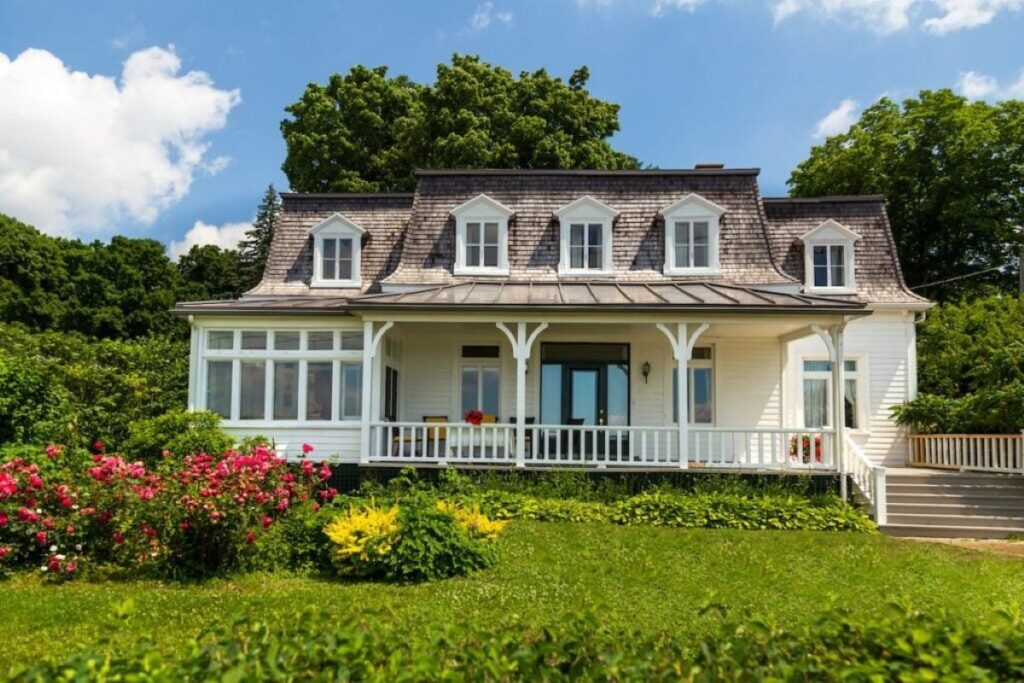
Mansard roofs have been admired for centuries, originating in French architecture and offering timeless appeal combined with modern practicality. Their unique shape and design serve multiple important purposes:
- Maximized Attic Space: The steep lower slope creates a spacious attic or an additional floor, turning wasted space into livable, usable areas.
- Enhanced Aesthetic Appeal: Mansard roofs add an elegant, classic look that elevates the character and curb appeal of any property.
- Improved Light and Ventilation: The design allows for dormer windows, which provide natural light and ventilation to upper-floor rooms.
- Adaptability to Different Styles: Mansard roofs can be combined with various architectural styles, from traditional historic homes to contemporary ones.
- Weather Efficiency: The double slope design helps with water runoff and snow shedding, reducing the risk of leaks and damage.
5 Key Elements and Structure of a Mansard Roof
Breaking down the components of a mansard roof can help you appreciate its design and construction methodology. Understanding these parts is essential whether you’re planning a new build or remodeling.
1. Dual Slopes
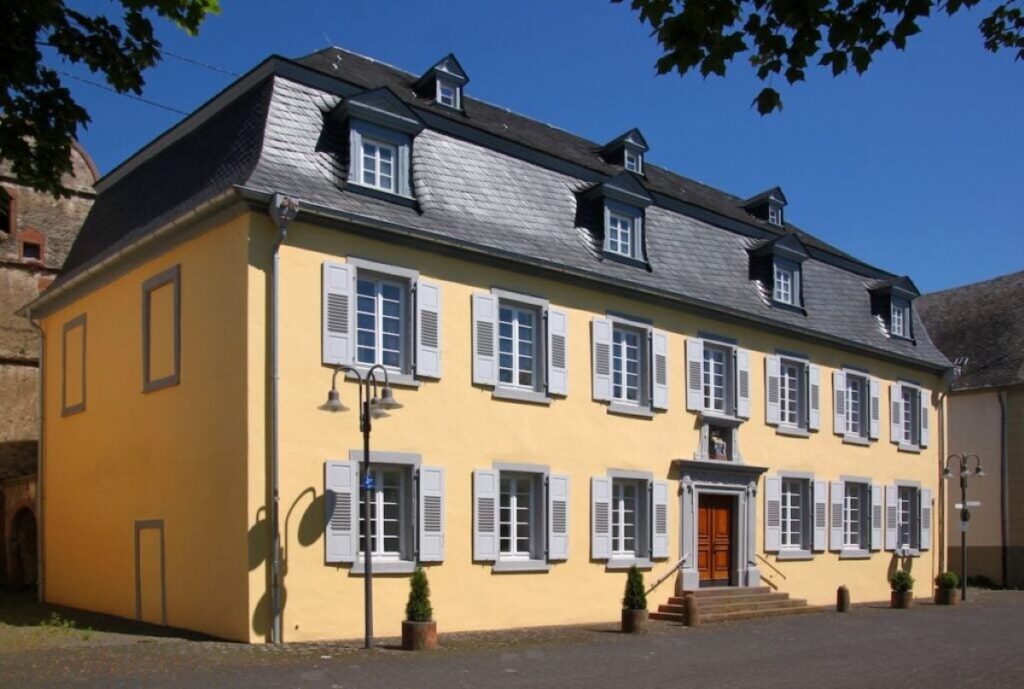
The hallmark of a mansard roof is its two distinct slopes on each of its sides. The lower slope is typically very steep, almost vertical, while the upper slope is more gently pitched.
- The steep lower slope maximizes interior space.
- The upper slope protects the home from weather while maintaining a low profile.
- This dual arrangement distinguishes the mansard from traditional gable or hip roofs.
2. Dormer Windows
Dormer windows are often incorporated into the steep lower slope to add light, ventilation, and additional headroom inside the attic or top floor.
- They enhance the exterior aesthetic with intricate design possibilities.
- Dormers help create fully functional rooms beneath the roof.
3. Roof Materials
Mansard roofs are typically covered with durable materials that complement the steep angles and the architectural style.
- Slate and wood shingles are traditional choices that offer classic charm.
- Modern alternatives include asphalt shingles, metal panels, and composite tiles for longevity and versatility.
- The roofing material must be weather-resistant to ensure durability over time.
4. Roof Frame Structure
The frame of a mansard roof requires precise engineering to support the complex angles and additional weight of the steep slopes.
- Traditionally built with timber framing, modern mansard roofs may incorporate steel and engineered wood products for strength.
- Structural integrity is critical to prevent sagging or damage, especially in areas with heavy snow or wind loads.
5. Drainage System
Effective drainage is essential to prevent water accumulation, especially given the roof’s multiple slopes.
- Strategically placed gutters and downspouts ensure water is channeled away safely.
- Regular inspections help catch blockages or damage early.
Enhancing Your Home with a Mansard Roof: Style and Functional Benefits
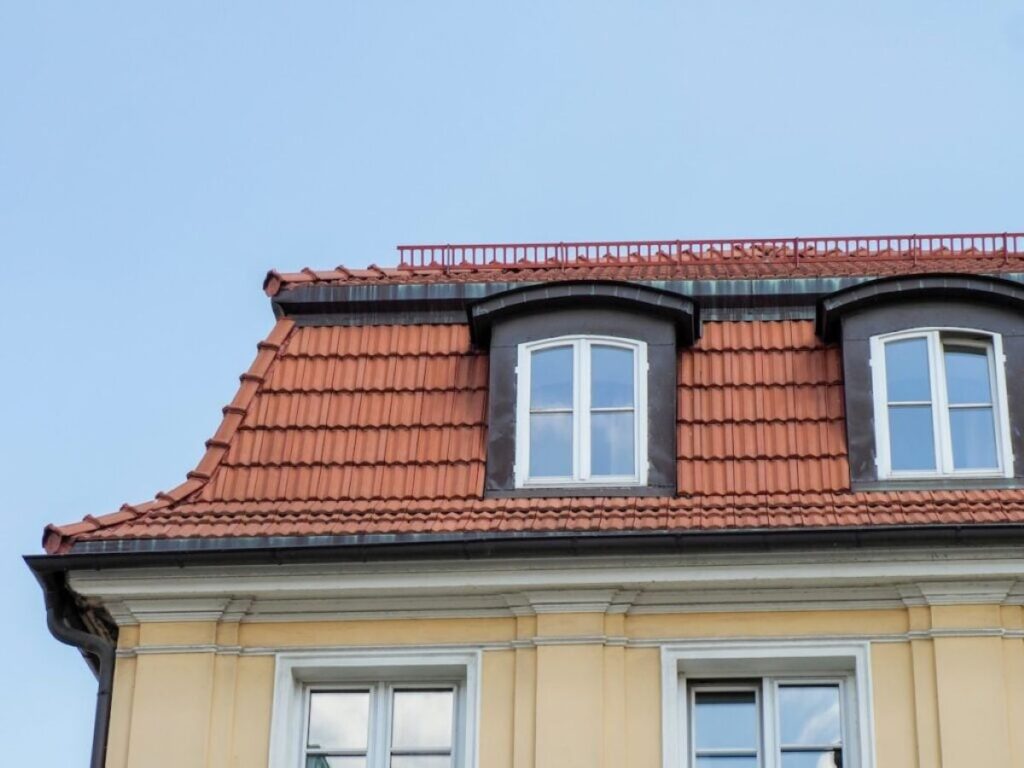
The mansard roof offers not only a striking visual appeal but also practical advantages that contribute to a home’s value and comfort. Here are some ways adopting a mansard roof can transform your property:
Maximizing Living Space
With the steep lower slope, the space under a mansard roof can become a full additional floor instead of a cramped attic. This extra room can serve as bedrooms, offices, or entertainment areas.
Architectural Versatility
- Classic Appeal: Mansard roofs are synonymous with Second Empire and French Renaissance styles, ideal for historic or stately homes.
- Modern Adaptations: Contemporary designs fuse mansard shapes with clean lines and modern materials, creating a unique blend.
Enhanced Natural Lighting
The inclusion of dormer windows not only creates character but also floods upper floors with daylight, reducing energy usage and enhancing comfort.
Potential Energy Efficiency
- The thick walls and roofs often associated with mansard designs provide excellent insulation.
- Properly installed roofing materials and ventilation help regulate temperature year-round.
Maintenance and Considerations for Mansard Roof Owners
Owning a mansard roof comes with special maintenance needs due to its shape and style. Being proactive helps maintain its beauty and durability over time.
Regular Inspections
- Check for signs of water damage, especially near dormers and steep slopes.
- Look for loose or damaged shingles or tiles that could compromise the roofing structure.
Gutter and Drainage Maintenance
Clear gutters and downspouts regularly to prevent clogging that can cause water to pool on the roof. Proper drainage extends roofing life and prevents costly repairs.
Professional Repairs and Upgrades
- Structural repairs require experienced roofing contractors familiar with the mansard design.
- Consider upgrading to modern, high-performance roofing materials during replacements.
Planning Renovations
If you intend to add living space or install new windows, collaborating with architects and roofing professionals ensures compliance with design integrity and local codes.
Comparing Mansard Roofs to Other Popular Roof Styles
Understanding how a mansard roof stacks up against other common types can help you make an informed decision for your home or project.
| Roof Type | Key Features | Advantages | Considerations |
|---|---|---|---|
| Mansard Roof | Dual slopes, steep lower slope, dormers | Maximized attic space, elegant style, great lighting | Complex structure, higher maintenance, cost |
| Gable Roof | Two sloping sides meeting at a ridge | Simple design, effective water runoff, easy maintenance | Limited attic space, less distinctive |
| Hip Roof | All sides slope downward to walls | Strong for wind resistance, balanced look | Limited attic space, more complex framing |
This comparison illustrates the mansard roof’s unique ability to blend style and functionality, despite higher complexity and maintenance demands.
Mansard Roofing For Your Home
The mansard roof remains a distinguished option for those seeking both aesthetic appeal and optimized living space. Its rich history and architectural versatility make it a compelling choice for homeowners in need of functional elegance. Whether you are considering new construction or remodeling, understanding the mansard roof’s advantages and requirements is essential.
Ready to explore how a mansard roof can redefine your home’s exterior and expand your living space? Contact us today to discuss your roofing needs and receive expert guidance tailored to your project.

Written By: Florida Roof Bros
6 Metal Roofing Types to Consider for a New Roof (Ranked)
Choosing the right roof for your home is a decision that carries long-term implications for durability, energy efficiency, and curb appeal. With the increasing popularity of durable and sustainable options, metal roofing types have become a top choice among homeowners in Florida and surrounding areas. Understanding the variety of metal roofing materials can help you select the perfect fit for your needs and budget. When exploring your options, you might find it helpful to discover more about metal roofing solutions tailored to different architectural styles and climates.
- Explore the most popular metal roofing types and what sets them apart
- Learn the key benefits of each metal roofing option for your home
- Understand the factors that influence cost, durability, and aesthetic appeal
- Get helpful tips on installation and maintenance considerations
Why Understanding Metal Roofing Types Matters
Choosing the right metal roofing type can dramatically affect your home’s protection, energy efficiency, and overall value. Each metal roofing material offers unique features that cater to different needs, climates, and budgets.
- Longevity: Selecting the right material ensures your roof stands strong against Florida’s weather extremes for decades.
- Energy Efficiency: Certain metal roofing types provide better heat reflection, reducing cooling costs.
- Cost-Effectiveness: Understanding metal roofing prices and durability helps in making a financially sound investment.
- Environmental Impact: Many metal roofs are recyclable and often made from recycled materials.
- Aesthetic Versatility: Different metal options suit various architectural styles, increasing curb appeal.
6 Top Metal Roofing Types Ranked for Your Home
Choosing the right metal roofing material is one of the most important decisions you’ll make when upgrading your home. Metal roofs are known for their durability, energy efficiency, and modern appearance — making them a smart investment for Florida homeowners. To help you decide, here’s a ranked list of the six most popular metal roofing types, along with their unique benefits and ideal uses.
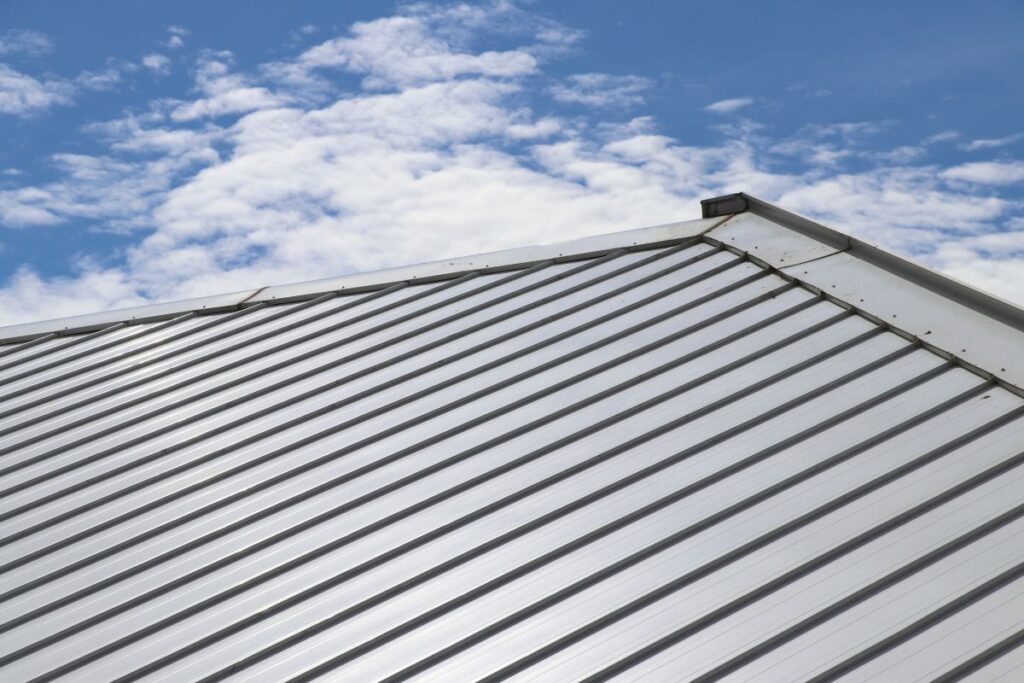
1. Steel Roofing
Steel is one of the most widely used metal roofing materials thanks to its strength, affordability, and versatility. With protective coatings, steel roofs can withstand Florida’s hurricanes, heavy rainfall, and extreme humidity.
- Galvanized Steel: Coated with zinc for excellent corrosion resistance.
- Galvalume Steel: A mix of aluminum and zinc that provides superior rust protection.
Benefits: Long-lasting, cost-effective, and easy to install — a reliable choice for most residential homes.
2. Aluminum Roofing
Aluminum stands out for its natural corrosion resistance, making it perfect for coastal Florida homes exposed to salty air.
- Lightweight: Easier to handle and install compared to heavier metals.
- Highly Corrosion-Resistant: Performs exceptionally well near saltwater environments.
- Value for Longevity: Though slightly higher in cost, aluminum offers excellent long-term performance.
3. Copper Roofing
Copper roofing is a premium option known for its elegance and incredible lifespan. Over time, it develops a distinctive green patina that enhances a home’s curb appeal.
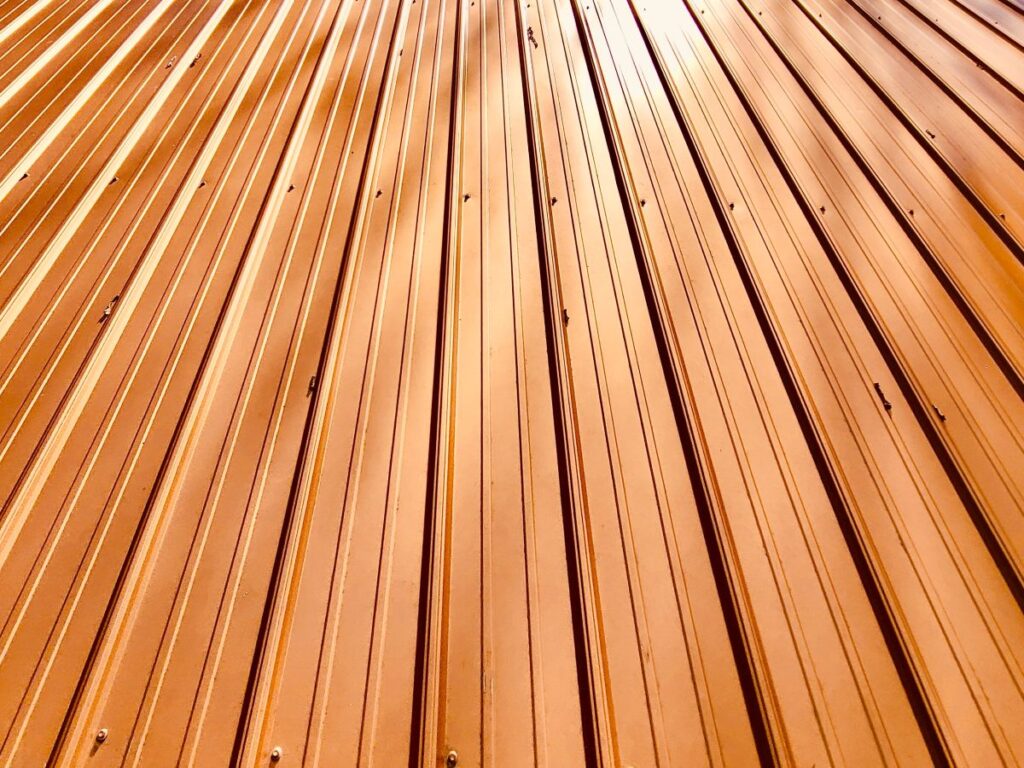
- Iconic Appearance: Transforms from a bright reddish tone to a natural green patina.
- Extreme Durability: Can last more than 100 years with minimal upkeep.
- Low Maintenance: Naturally corrosion-resistant and ideal for Florida’s humid climate.
4. Zinc Roofing
Zinc offers many of the same advantages as copper but at a lower cost. It’s an eco-friendly choice that combines durability with classic style.
- Self-Healing Properties: Scratches and minor blemishes repair themselves over time.
- Environmentally Friendly: High recyclability and low production energy.
- Timeless Aesthetic: Perfect for homeowners who appreciate a refined, traditional look.
5. Tin Roofing
While not as common today, tin roofing still finds its place in specific applications. It’s essentially steel coated with tin to prevent corrosion — affordable but less long-lasting than other metal options.
- Economical Choice: Great for budget-conscious homeowners.
- Moderate Durability: Shorter lifespan compared to steel or aluminum.
- Best For: Historic renovations or restoration projects that call for traditional materials.
6. Stainless Steel Roofing
Stainless steel may not be as common as other types, but it’s one of the toughest roofing materials available. It retains its shine for decades and offers unmatched resistance to corrosion and extreme temperatures.
- Premium Strength: Withstands Florida’s high heat and coastal moisture.
- Sleek Look: Provides a clean, polished finish ideal for modern homes.
- Long Lifespan: Can exceed 60 years with little maintenance.
Enhancing the Value of Metal Roofing Choices
Beyond selecting the metal type, several factors can boost your roof’s performance and lifespan. Considering these aspects will maximize your investment while ensuring lasting protection.
Roof Coatings and Finishes
Applying specialized coatings not only improves aesthetics but significantly enhances resistance to weathering and UV exposure.
- Reflective Coatings: Reduce heat absorption, lowering cooling costs.
- Protective Layers: Guard against rust and corrosion.
Panel Styles and Profiles
The shape and design of metal panels can affect both the strength and look of your roof.
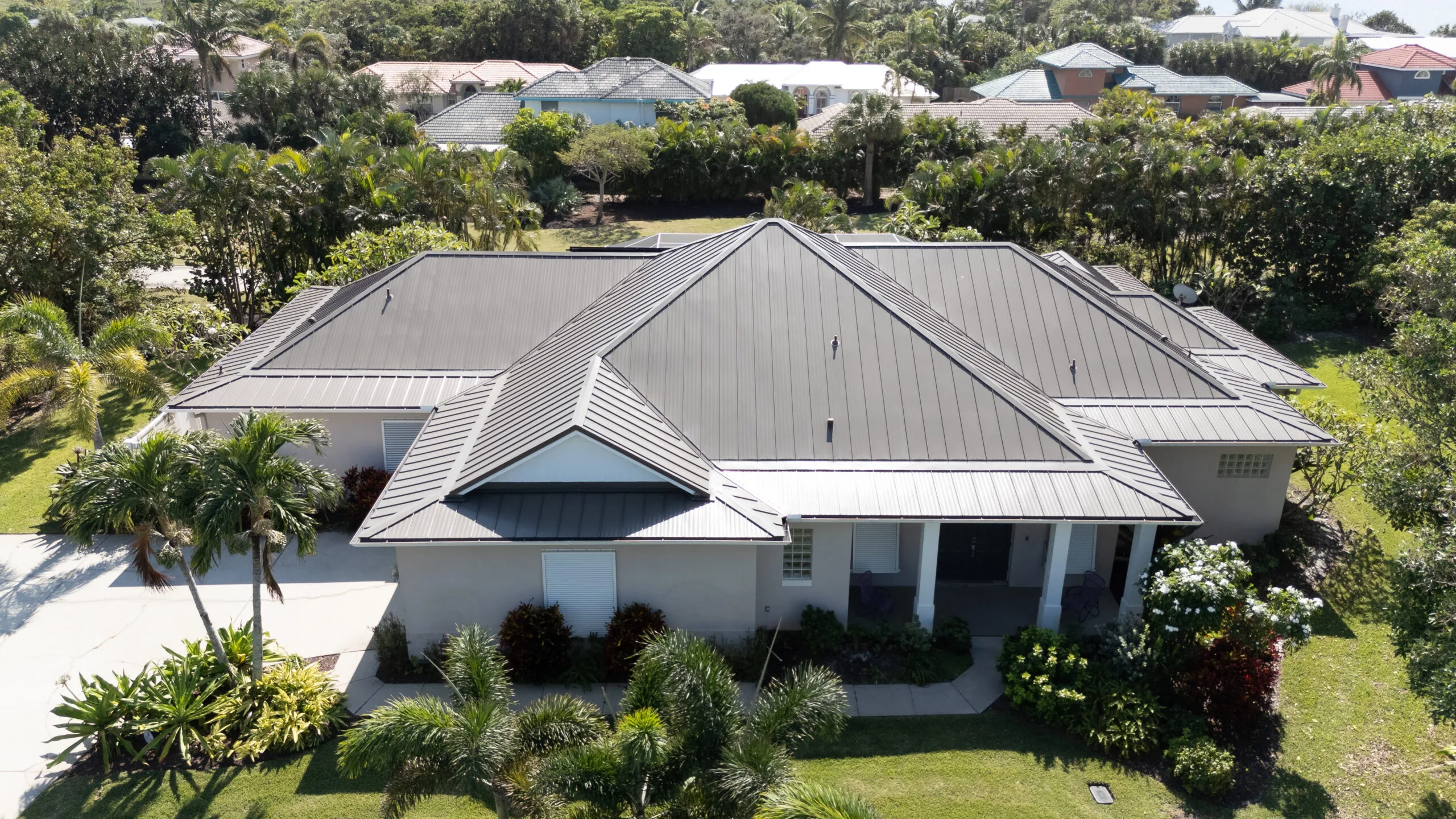
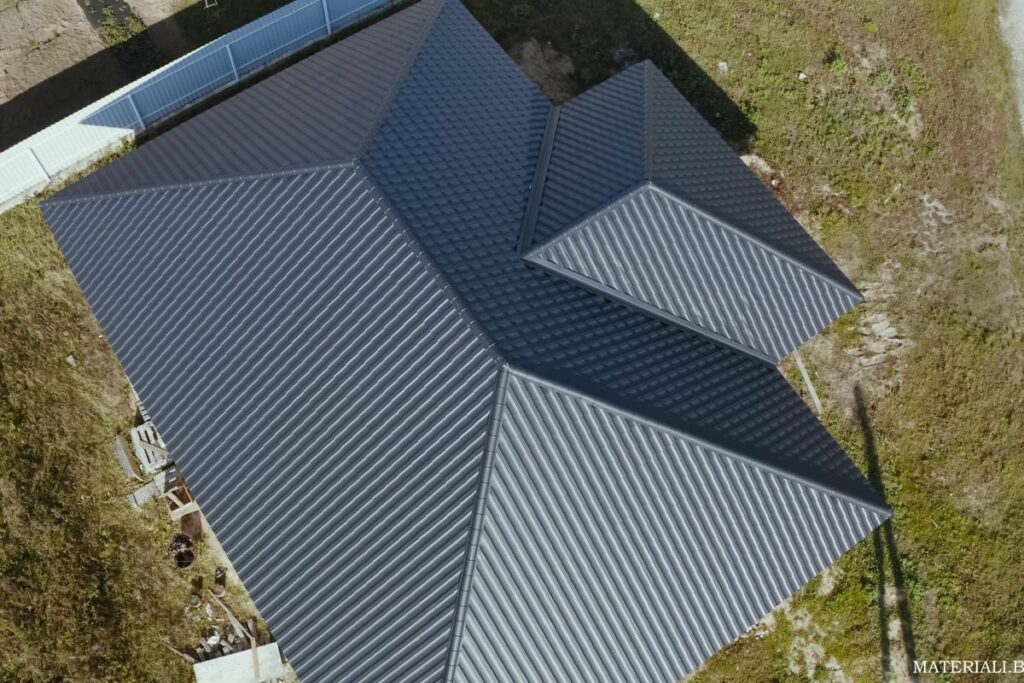
- Standing Seam Panels: Offer a sleek, modern appearance plus excellent water shedding.
- Corrugated Panels: More traditional, providing durability and affordability.
- Ribbed Panels: Designed for structural support and aesthetic appeal.
Professional Installation
A qualified installation team ensures your metal roof performs at peak levels by using correct techniques and materials. Expert installation can also prevent premature wear and costly repairs down the line.
Comparing Metal Roofing Benefits in Florida’s Climate
When selecting metal roofing types suitable for Florida and surrounding areas, understanding the climate challenges is essential. Here we compare how different metals hold up against common elements such as humidity, storms, and heat.
| Metal Type | Corrosion Resistance | Wind Resistance | Heat Reflection | Lifespan | Cost Level |
| Steel | High (with coatings) | Excellent | Moderate | 40-70 years | $$ |
| Aluminum | Very High | Good | High | 40-60 years | $$$ |
| Copper | Exceptional | Excellent | High | 100+ years | $$$$ |
| Zinc | Exceptional | Good | High | 80-100 years | $$$ |
| Tin | Moderate | Fair | Moderate | 20-40 years | $ |
Making Your Metal Roof Decision and Taking the Next Step
Knowing the variety of metal roofing types and how each performs against Florida’s weather challenges sets you on a path toward a smarter roof investment. From budget-friendly steel to luxurious copper, the right roof protects your home while adding lasting value.
When you are ready to explore tailored metal roofing options and receive expert guidance perfect for your home and style, do not hesitate to contact us today. A professional roofing consultation can help clarify your best choices and set you up for success with your new roof.
Written By: Florida Roof Bros
5 Best Roof Shingles to Consider This Year
Choosing the right roofing material is a critical decision for any homeowner, especially when it comes to durability, aesthetics, and overall value. With so many options on the market, it’s essential to understand which are the best roof shingles to consider this year. Whether you’re planning a new installation or replacing an old roof, the choice of shingles can significantly impact your home’s protection and curb appeal. For homeowners interested in exploring top-quality shingle options and expert installation services, reliable resources about shingle roofing offer valuable insights.
- Understand the importance of selecting the best roof shingles for your home
- Discover the top types of roof shingles available this year
- Learn how to evaluate shingles based on durability, cost, and style
- Explore tips for maintaining your roof shingles to extend their lifespan
- Compare popular shingle options to find the best fit for your needs
Why Choosing the Best Roof Shingles Matters
The roof of your home is its primary defense against the elements, and choosing the right shingles plays a vital role in ensuring long-lasting protection. Not all shingles are created equal, and selecting the best roof shingles can make a substantial difference in performance and appearance. Here’s why this choice is so important:
- Enhanced Durability: The right shingles offer superior resistance against wind, rain, and hail, reducing the risk of costly repairs.
- Weather Resistance: Quality shingles protect your home from harsh weather conditions common in Florida and surrounding areas.
- Energy Efficiency: Modern shingles can improve your home’s insulation, lowering cooling costs during hot seasons.
- Aesthetic Appeal: High-quality shingles come in a variety of colors and styles that complement your home’s architecture.
- Increased Property Value: Investing in premium shingles enhances curb appeal and boosts resale value.
5 Top Types of Roof Shingles to Consider This Year
Homeowners have multiple options when selecting from the best roof shingles, each offering unique benefits. Below are the top roofing shingle types that stand out in 2025 for durability and style:
1. Architectural Asphalt Shingles
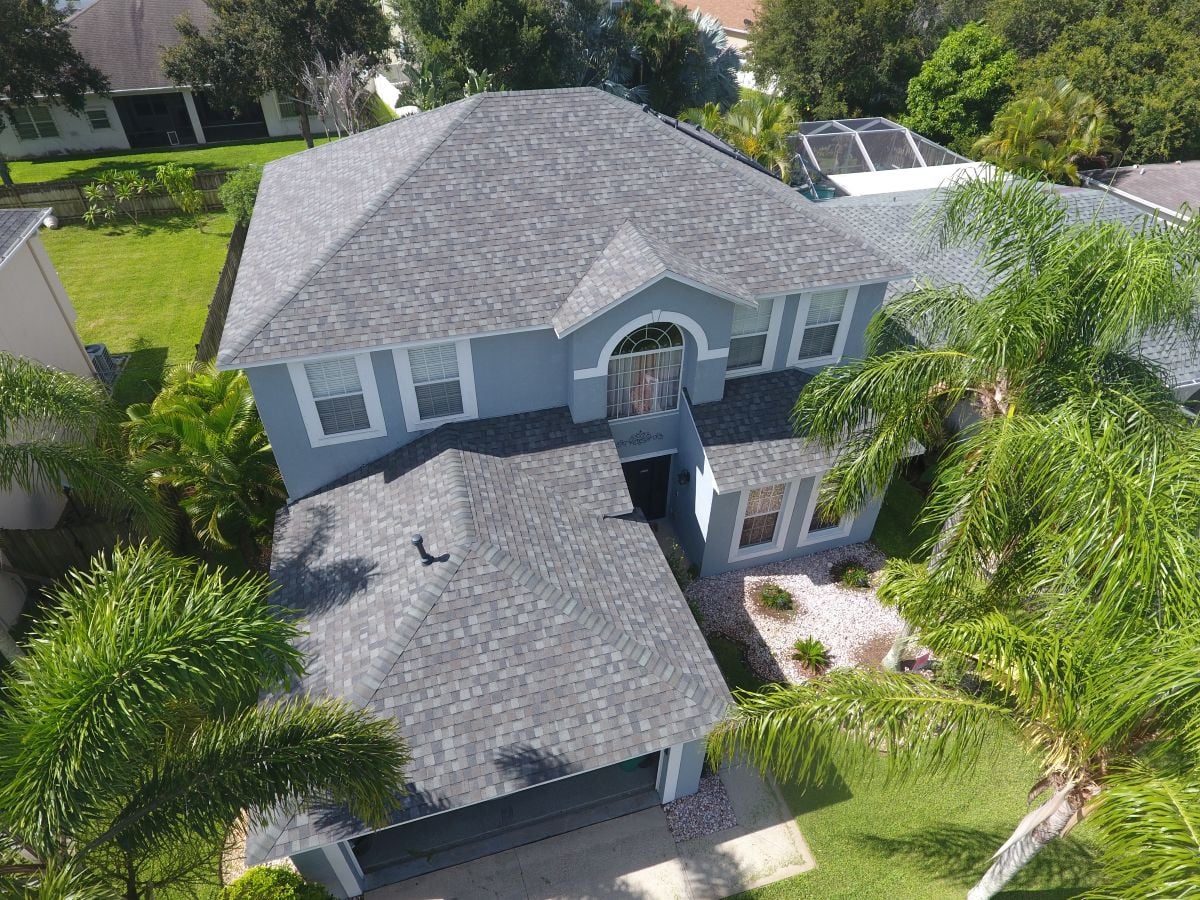
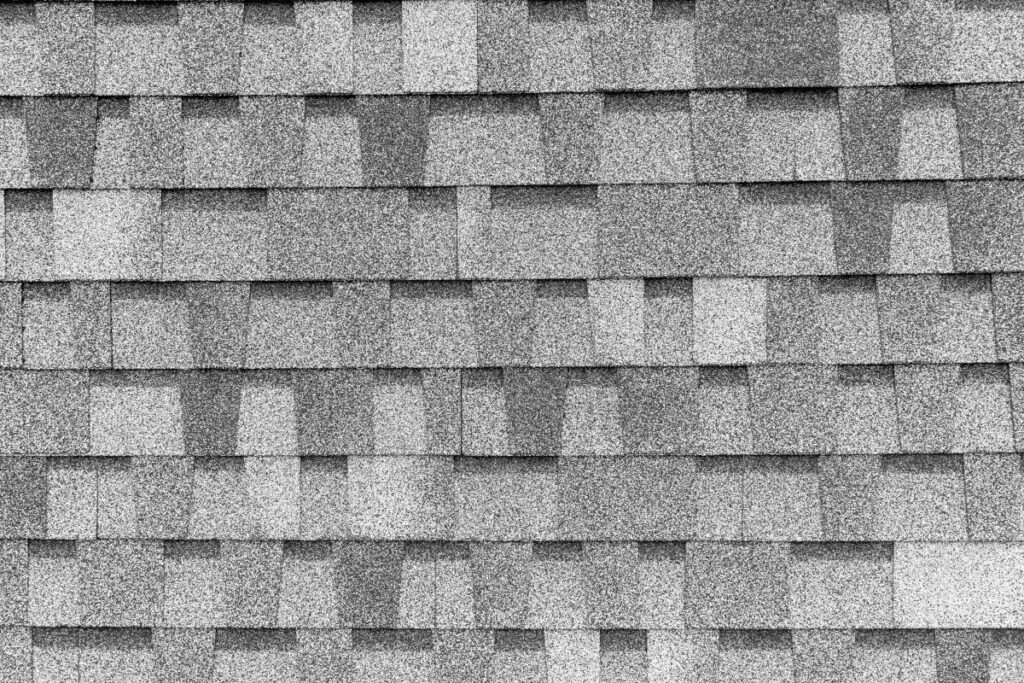
Also known as dimensional shingles, these are layered to create a textured appearance. They have become the preferred choice for many because of their strong performance and appealing look.
- Long lifespan (20-30 years)
- Excellent wind resistance
- Wide range of colors and styles
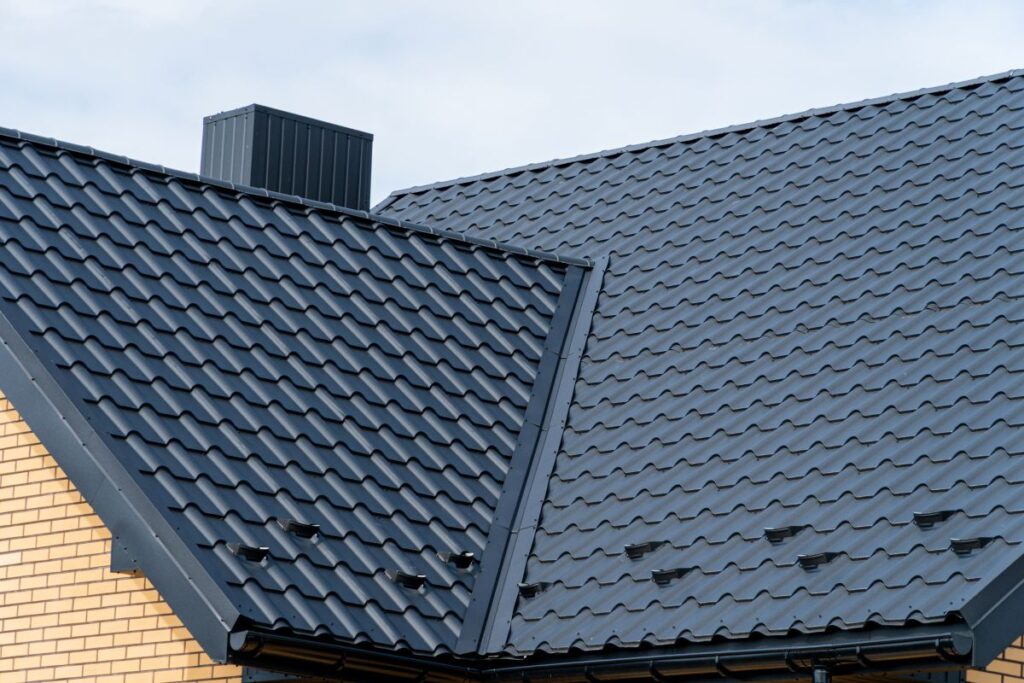
2. Metal Shingles
Metal shingles offer robust durability and are highly resistant to extreme weather conditions. They are often designed to mimic traditional shingles or tiles.
- Longevity of 40-70 years
- Fire resistant
- Reflective properties help reduce cooling costs
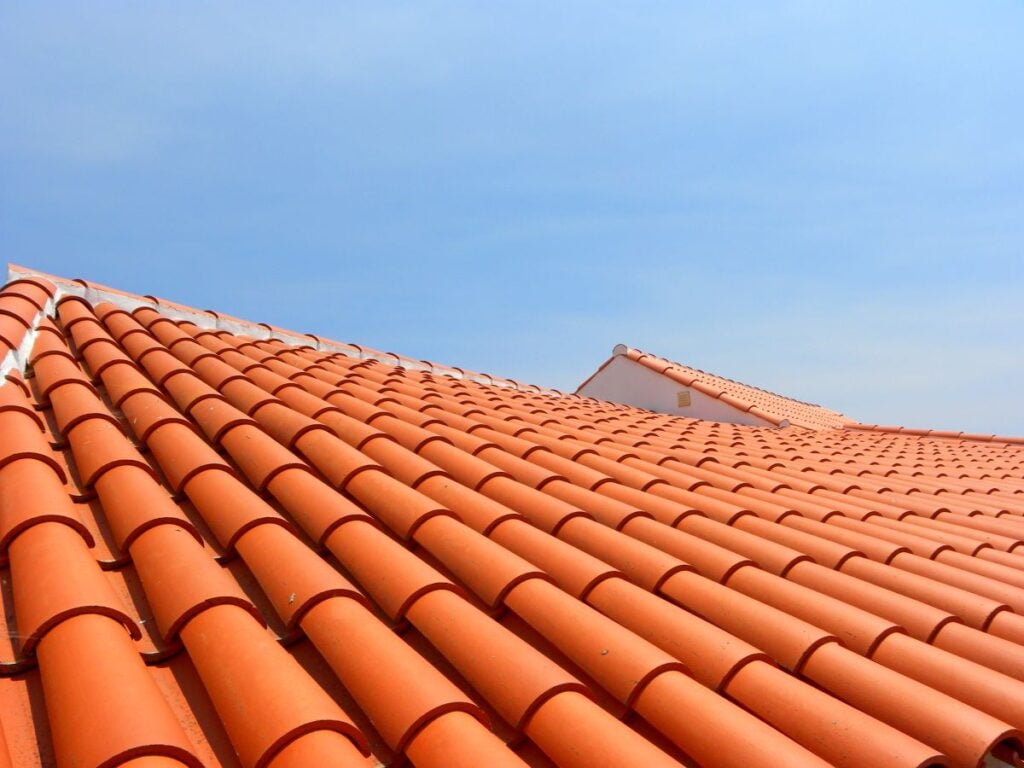
3. Clay and Concrete Tiles
Ideal for homes with Mediterranean or Spanish architectural styles, these tiles are known for their distinctive look and durability.
- Can last over 50 years
- Resistant to salt air and fire
- Heavier weight requires strong roof framing
4. Wood Shingles and Shakes
Wood shingles offer natural beauty and are often used on historic and cottage-style homes. However, they require proper maintenance and treatment to prevent decay.
- Natural aesthetic appeal
- Can last 30 years with maintenance
- Needs regular inspection for moisture and pests
5. Synthetic Shingles
Made from rubber, plastic, or a combination, synthetic shingles emulate natural materials like slate or wood but often come at a more affordable price and improved durability.
- Lightweight and easy to install
- Resistance to impact and harsh weather
- Eco-friendly options available
How to Evaluate Roof Shingles for Your Home
With such a wide variety of options, selecting the best roof shingles requires considering several factors beyond just appearance. Keeping your home’s unique needs in mind will guide you to the right choice.
Durability and Lifespan
Look for shingles that make a long-term investment wise by standing up to local climate challenges, especially humid and storm-prone areas like Florida and surrounding areas.
Cost and Budget
While affordable options like traditional asphalt shingles are popular, investing a bit more in premium shingles can pay off through longevity and reduced maintenance expenses.
Style and Compatibility
Your home’s architectural style should influence your choice. For instance, clay tiles complement Mediterranean-style homes, while wood shakes fit better with rustic or historic designs.
Energy Efficiency
Some shingles offer reflective coatings or materials that reduce heat absorption, leading to lower air conditioning bills during the warmer months.
Maintenance Requirements
Consider the level of upkeep each shingle type demands. Some require frequent inspection and cleaning, while others are virtually maintenance-free.
Tips for Maintaining Your Roof Shingles
Proper maintenance is key to maximizing the lifespan and performance of your roofing material. Here are actionable tips to keep your shingles in excellent shape:
- Regular Inspections: Perform roof checks at least twice a year and after storms to identify damage early.
- Clean Debris: Remove leaves, branches, and dirt buildup to prevent moisture retention.
- Gutter Maintenance: Ensure gutters and downspouts are clear to avoid water damage to shingles.
- Moss and Algae Prevention: Treat roof areas prone to moss growth to avoid shingle deterioration.
- Prompt Repairs: Address cracked or missing shingles immediately to avoid further damage.
Comparing Popular Shingle Materials
| Shingle Type | Average Lifespan | Cost Per Square Foot | Key Benefits | Maintenance Level |
| Architectural Asphalt | 20-30 years | $3-$5 | Durable, variety of styles, cost-effective | Low |
| Metal Shingles | 40-70 years | $7-$12 | Long-lasting, energy efficient, fire resistant | Low |
| Clay/Concrete Tiles | 50+ years | $6-$12 | Stylish, durable, weather resistant | Medium |
| Wood Shingles | 25-30 years | $6-$9 | Natural look, good insulator | High |
| Synthetic Shingles | 30-50 years | $4-$7 | Lightweight, versatile, eco-friendly | Low |
Taking the Next Step for Your Roofing Needs
Selecting the best roof shingles is more than a stylistic choice; it affects your home’s protection, energy efficiency, and value for years to come. Whether you’re in the process of planning your roof replacement or new installation, being informed ensures you choose the material that best suits your home and budget. For expert advice and quality shingle roofing services, do not hesitate to contact us today to discuss your specific needs and get a personalized quote.